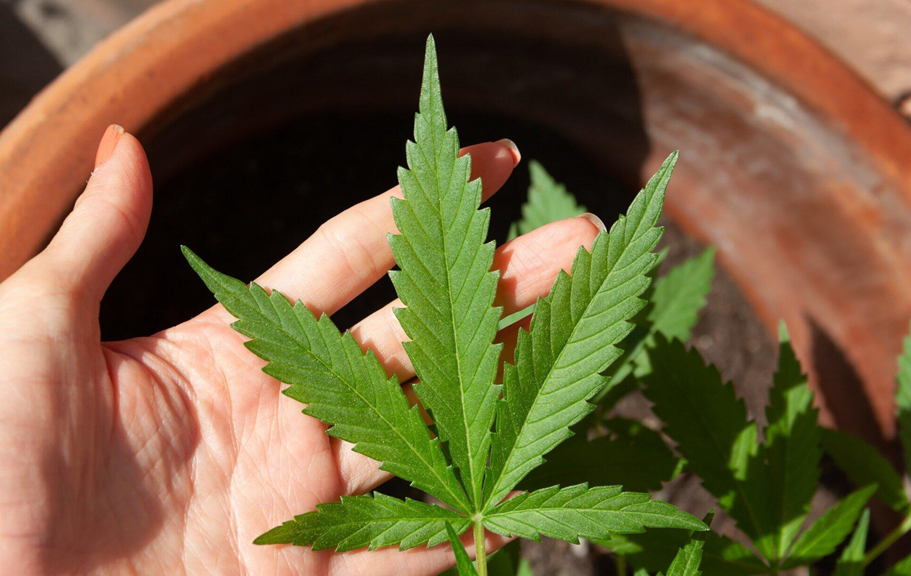
Cannabis and Wellness: Bridging Ancient Practices with Modern Benefits
For thousands of years, humanity has looked to nature to find balance, healing, and relief. Long before modern dispensaries and standardized dosing existed, ancient civilizations recognized the profound properties of the cannabis plant. Today, we are witnessing a remarkable convergence of history and science.
What was once a sacred botanical staple in ancient wellness traditions is now being validated by rigorous modern research, offering a holistic approach to contemporary health challenges. As we navigate the stressors of our current century, looking back at these ancient traditions provides a valuable roadmap for achieving authentic, sustainable wellness in an increasingly chaotic world.
Modern Science Validates the Past
While our ancestors relied on intuition and observation, modern science relies on clinical data, and the findings are incredibly fascinating. The discovery of the Endocannabinoid System (ECS) in the late 20th century completely changed how we understand human physiology and its intricate connection to natural plant compounds. The ECS is a vast regulatory network that helps maintain homeostasis, regulating everything from mood and sleep to pain perception and immune response.
When we consume cannabis, its natural cannabinoids interact directly with this system, beautifully mirroring the body's own regulatory molecules. This explains why ancient remedies worked so effectively. Today, we can isolate specific compounds like THC and CBD to target precise health goals. However, a truly holistic approach also means paying attention to how we consume these compounds. To ensure your wellness rituals remain pure and healthy, you can see how proper device maintenance optimizes your overall experience and protects your respiratory health while maximizing the pure flavors of the plant.
The Sacred Roots of Botanical Healing
Cannabis is far from a modern trend. In fact, its roots as a therapeutic agent trace back over millennia across multiple global cultures. In ancient China, Emperor Shen Nung documented the plant's efficacy for various ailments as early as 2737 BC, establishing an early foundation for pharmacopeia. Meanwhile, ancient Egyptian papyri recorded its use for soothing inflammation, and the sacred Vedic texts of India celebrated it as a divine source of joy and anxiety relief.
These ancient practices did not view the plant merely as a quick temporary fix. Instead, they integrated it into a broader, holistic lifestyle focused on restoring harmony within the body and mind. This plant was utilized in meditation rituals, topical salves, and restorative teas, emphasizing a respectful relationship between human biology and the natural world. This historical perspective reminds us that plant medicine is deeply woven into the human experience across centuries of global history.
Modern Benefits for a Balanced Life
Integrating this ancient botanical into your modern routine offers a wide range of therapeutic advantages that address the complexities of modern living. When approached mindfully and intentionally, it supports the body's natural healing mechanisms in several key areas:
-
Cannabis reduces daily stress levels.
-
Natural compounds support deep sleep.
-
Holistic routines improve mental clarity.
-
Plant therapies soothe physical discomfort.
By combining these targeted benefits with mindful lifestyle habits, cannabis serves as a versatile bridge between historical wisdom and modern scientific self-care practices that elevate our everyday health and vitality.
Reclaiming Timeless Harmony
Embracing cannabis for wellness is ultimately about reclaiming a truly natural, holistic approach to health that our ancestors understood intuitively. By combining ancient botanical wisdom with modern scientific standards, we can unlock safer, more effective ways to live balanced, vibrant lives as we move forward into a much healthier, brighter future.
Looking for more tips and ideas? We've got you covered. Check out some of our other posts now.


Discussion (0)
No comments yet. Be the first to comment!
Leave a Comment
You need to login to post a comment.