New Mexico: Harnessing the Power of Solar Energy
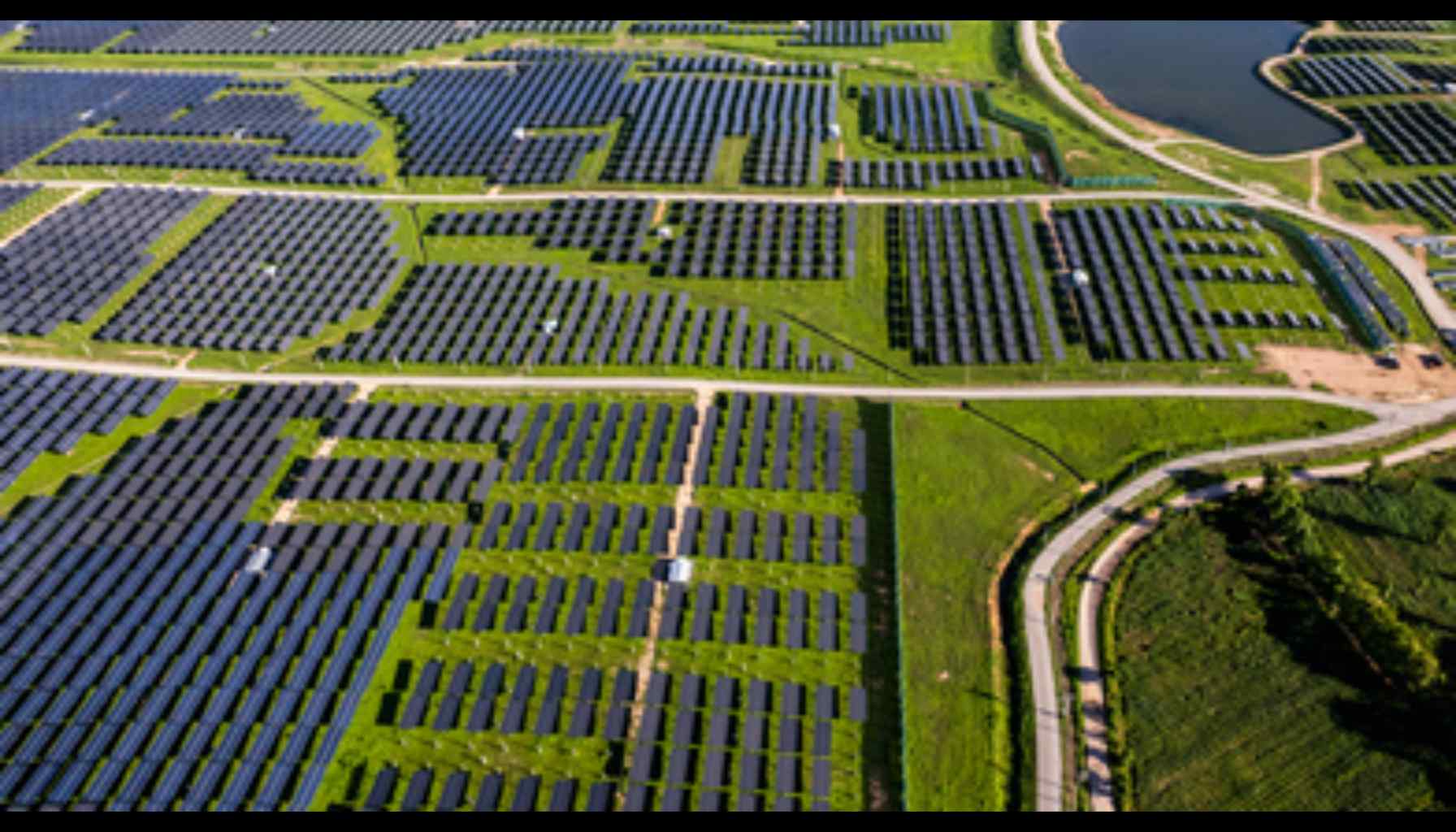
New Mexico, located in the southwestern United States, is one of the best places in the country to harness solar energy. With abundant sunshine, wide-open landscapes and a growing interest in clean energy, the state has significant potential to generate electricity from the sun. Solar power is helping New Mexico move towards a cleaner, more sustainable future while creating economic opportunities for its communities.
Why New Mexico Is Ideal for Solar Energy
New Mexico receives abundant sunshine throughout the year because of its dry climate and large number of clear days. These conditions make it suitable for installing solar panels on rooftops, commercial buildings and large areas of open land.
Solar panels convert sunlight into electricity without burning fossil fuels. This helps reduce greenhouse gas emissions and air pollution. As concerns about climate change increase, solar power offers New Mexico an opportunity to make better use of its natural resources.
Large-Scale Solar Farms
Solar farms are an important part of the state's renewable energy development. These facilities contain thousands of solar panels that generate electricity for homes, businesses and public services. Their electricity can be supplied to the power grid, helping meet the growing demand for energy.
Solar farms can also be developed alongside other land uses when projects are carefully planned. For example, some sites can support grazing or pollinator-friendly plants between and around solar panels. However, developers must consider wildlife habitats, water resources, soil conditions and the needs of local communities before selecting locations.
Benefits for the Environment
One of the greatest advantages of solar energy is that it generates electricity without direct carbon emissions during operation. Greater use of solar power can reduce dependence on coal and natural gas, particularly when solar electricity replaces fossil-fuel generation.
Solar energy also helps diversify the state's energy supply. However, solar panels produce less electricity at night and during cloudy weather. Battery storage, improved transmission lines and other sources of renewable energy can help maintain a reliable electricity supply.
Water conservation is another important consideration. Traditional power plants can require substantial amounts of water for cooling, while photovoltaic solar panels generally need much less water during operation. Panels still require occasional cleaning, especially in dusty desert environments.
Economic Opportunities and Jobs
The development of solar energy creates employment opportunities in manufacturing, construction, electrical installation, engineering, maintenance and project management. Local businesses may also benefit by supplying equipment, transport and other services.
Homeowners can install rooftop solar systems to generate some of their own electricity. Depending on installation costs, electricity rates, incentives and household energy use, these systems may reduce electricity bills over time. Community solar projects can also help people who cannot install panels on their own roofs access some of the benefits of solar power.
Challenges and the Way Forward
Despite its advantages, solar development faces challenges. Initial installation costs can be high, and large projects require suitable land and connections to the electricity grid. Energy storage systems can improve reliability but add to project costs.
New Mexico must also ensure that renewable energy development respects Indigenous communities, cultural sites and sensitive desert ecosystems. Thoughtful planning, public participation and responsible land management are essential.
Conclusion
New Mexico has excellent natural conditions for solar energy, and the technology offers environmental, economic and social benefits. By expanding solar farms, encouraging rooftop installations, investing in battery storage and improving electricity infrastructure, the state can strengthen its clean-energy future. With responsible planning and community involvement, New Mexico can turn its abundant sunshine into a valuable resource for generations to come.
New Mexico Solar Energy: A Project Ahead of Schedule
New Mexico is making progress in renewable energy by harnessing its abundant sunshine to generate clean electricity. Solar energy projects across the state are helping meet the growing demand for power while reducing dependence on fossil fuels. When a solar project is completed ahead of schedule, it can bring environmental and economic benefits sooner than expected.
Harnessing the Power of the Sun
New Mexico is well suited for solar energy because it receives plentiful sunshine throughout the year. Its dry climate and wide-open landscapes provide favourable conditions for large solar farms and rooftop solar installations.
Solar panels convert sunlight directly into electricity. Unlike conventional power plants that burn coal or natural gas, solar photovoltaic systems generate electricity without direct greenhouse gas emissions during operation. This makes solar power an important part of efforts to address climate change and improve air quality.
Why Finishing Ahead of Schedule Matters
Completing a solar energy project ahead of schedule means that construction and installation are finished earlier than originally planned. This can happen because of effective project management, timely equipment deliveries, favourable weather, skilled workers and good coordination between contractors.
An early completion can allow a solar farm to begin supplying electricity sooner, provided it has received the necessary approvals and is connected to the electricity grid. This can help utilities meet energy needs and reduce the amount of electricity they must obtain from conventional power sources.
However, finishing construction does not always mean that a project is immediately operational. Testing, inspections, grid connections and regulatory approvals may still be required.
Environmental and Economic Benefits
Solar projects create employment opportunities for electricians, engineers, construction workers and maintenance professionals. They can also support local businesses that provide transport, equipment and other services.
When a project begins operating earlier than expected, electricity production and the associated benefits may also begin earlier. Depending on the project's financing and electricity agreement, early operation may improve its financial performance.
Solar power can also reduce water consumption compared with some conventional electricity-generating technologies. This is particularly relevant in New Mexico, where water is a valuable resource.
Challenges to Overcome
Despite its advantages, solar energy has certain limitations. Solar panels generate less electricity at night and may produce less during cloudy weather. Battery storage and improved transmission infrastructure can help address these challenges.
Developers must also consider land use, wildlife habitats, dust, cultural heritage and the concerns of nearby communities. Responsible planning ensures that clean-energy development does not cause unnecessary environmental or social harm.
A Brighter Future for New Mexico
New Mexico's solar energy potential offers an opportunity to create a cleaner and more resilient electricity system. Completing projects ahead of schedule can accelerate progress, provided that safety, quality and environmental standards are maintained.
By investing in solar farms, rooftop panels, battery storage and modern electricity networks, New Mexico can make better use of its natural sunshine. Such efforts can support jobs, reduce emissions and provide long-term benefits to residents.
Note: This article discusses the general benefits of completing solar projects ahead of schedule; it does not refer to a specific New Mexico project verified as having finished early.
We wish them all the best.
By Jamuna Rangachari


Discussion (0)
No comments yet. Be the first to comment!
Leave a Comment
You need to login to post a comment.