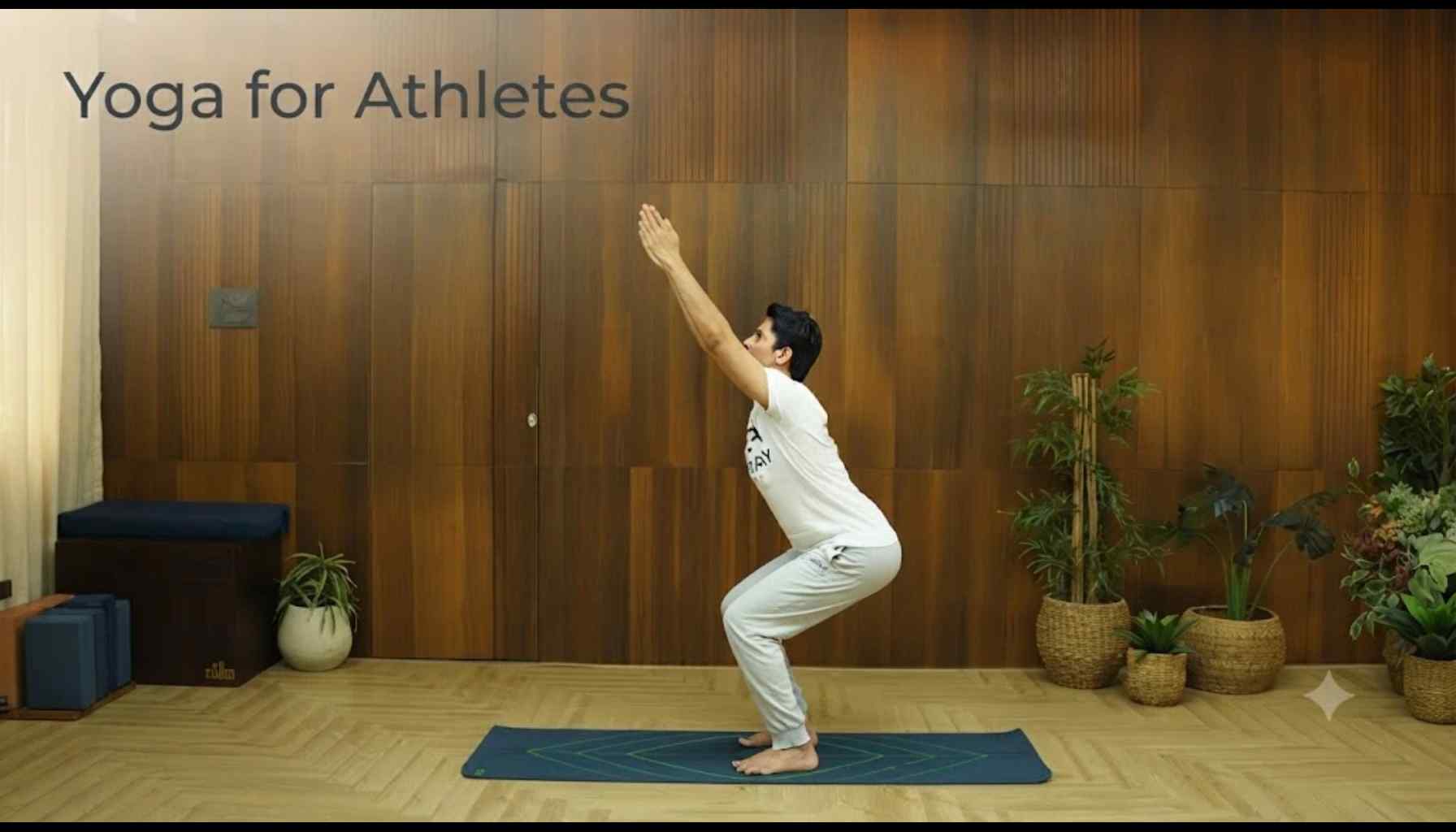
Yoga for Athletes: Build Mobility
Yoga for athletes is more than a gentle stretch session. Done well, it helps you move through a fuller range of motion, steady your joints, calm your nervous system, and recover between hard training days. Whether you sprint, lift, swim, or play a team sport, a few well-chosen poses can fill the gaps that your main training leaves behind.
Key Takeaways
- Yoga for athletes improves mobility, joint stability and balance.
- Use short, dynamic flows before training and deeper stretches after workouts.
- Two or three short weekly sessions are enough, and poses should match your sport's demands.
Why Yoga for Athletes Works
Sports have repetitive motions, and after a while, this could cause some muscles to be tighter, some muscles underutilized, and the stability of the joints compromised. This is how yoga corrects these aspects of your physical fitness:
- Flexibility: Controlled stretching helps keep your hips, shoulders, and ankles flexible and able to move properly.
- Stability and strength: The practice of holding poses trains the smaller muscles of the joints and your core.
- Balance and body awareness: Single-leg poses and slow poses improve your sense of body positioning.
- Recovery: Slowing down breathing and movement helps put your body into recovery mode.
- Focus: Keeping focused on a difficult pose helps you develop mental skills.
6 Best Yoga Poses for Athletes
Move slowly, stop at mild tension, and keep your breathing steady.
1. Chair Pose (Utkatasana): Push your hips back and bend your knees as if you are sitting down, with arms in front or raised up. It is an endurance-building exercise for quads and glutes. It is good for ankles and knees; hence, it may support jumping and landing.
2. Low Lunge (Anjaneyasana): Step one leg forward, lower the back leg, and raise your chest. It loosens the hip flexors, which are tightened because of running, cycling, and sitting. Switch to the other side.
3. Half Pigeon (Eka Pada Rajakapotasana): Start from all fours or Downward-Facing Dog. Slide one knee forward and keep the other leg extended backwards. This helps to stretch the hips and glutes. If you have sensitive knees, be cautious when performing the exercise. Switch legs.
4. Downward-Facing Dog (Adho Mukha Svanasana): Bring up your hips to form an inverted V shape, bending your knees if necessary. It will stretch the calves, hamstrings, and shoulders and train shoulder stability.
5. Boat Pose (Naukasana): Sitting on your buttocks, lean back and raise your feet. It strengthens deep core muscles that join your upper and lower body to transfer energy while moving.
6. Legs-Up-the-Wall (Viparita Karani): Rest your legs against a wall while lying on your back. It's a calming, low-effort pose that helps tired legs feel lighter after long training sessions.
Yoga Poses by Sport
Different sports stress the body differently, so tailor your practice:
|
|
|
|
|
|
|
|
|
|
|
|
|
|
|
|
|
|
|
|
|
|
|
|
When to Do Yoga: Before, After, or Rest Days
Timing is just as important as the postures.
- Pre-training: It needs to be brief and lively. Flows, lunges, and gentle twisting will help prepare your body. Do not stretch deeply and hold for a prolonged period prior to weightlifting, sprints, or competitions because it might leave your muscles less prepared.
- Post-training: It's a great time for deeper stretches and relaxing poses with warm muscles.
- On non-training days: Slow-paced classes are the way to go.
A Simple Weekly Plan
Here's an easy structure to start with:
- Two or three days: 10 to 15 minutes after training, focusing on the areas your sport tightens most.
- One day: A longer, slower session of 30 to 45 minutes on a rest day.
- Competition week: Keep sessions light and avoid anything that leaves you sore.
Adjust based on how you feel. If yoga leaves you stiff or sore, scale back the depth or length.
Common Mistakes to Avoid
- Stretching too deeply before competing: Save long holds for after training.
- Pushing for flexibility: Athletes are often strong but tight, so go slowly and respect your limits.
- Ignoring your needs as an athlete: Choose postures that relieve your stiffness.
- Neglecting stability exercises: Yoga is not only about mobility; you also need stability.
- Practicing too many poses during difficult training days: Balance your yoga practice with your training regimen.
Final Thoughts
Yoga for athletes can complement your training and boost your energy to improve athletic performance. A few targeted poses after workouts, a longer session on rest days, and attention to how your body feels can improve mobility, protect your joints, and help you bounce back faster. Start small, stay consistent, and let your sport guide your practice.
Frequently Asked Questions
1. Is yoga good for athletic performance?
Yes, yoga may assist in athletic performance due to its positive effects on mobility, balance, core strength, and recovery.
2. Does yoga help prevent injuries?
It may help reduce overuse injuries by improving range of motion and strengthening stabilizing muscles, but it isn't a guarantee, so combine it with good training habits.
3. How often should athletes do yoga?
Two to three short sessions a week of 10 to 20 minutes is a practical start, with an optional longer session on rest days.
4. What type of yoga is best for athletes?
Vinyasa and power styles build strength and stamina, while yin yoga and restorative classes help with deep stretching and recovery, so a mix works well.
Also Read: Yoga for runners
By Umesh Kumar Khiri


Discussion (0)
No comments yet. Be the first to comment!
Leave a Comment
You need to login to post a comment.