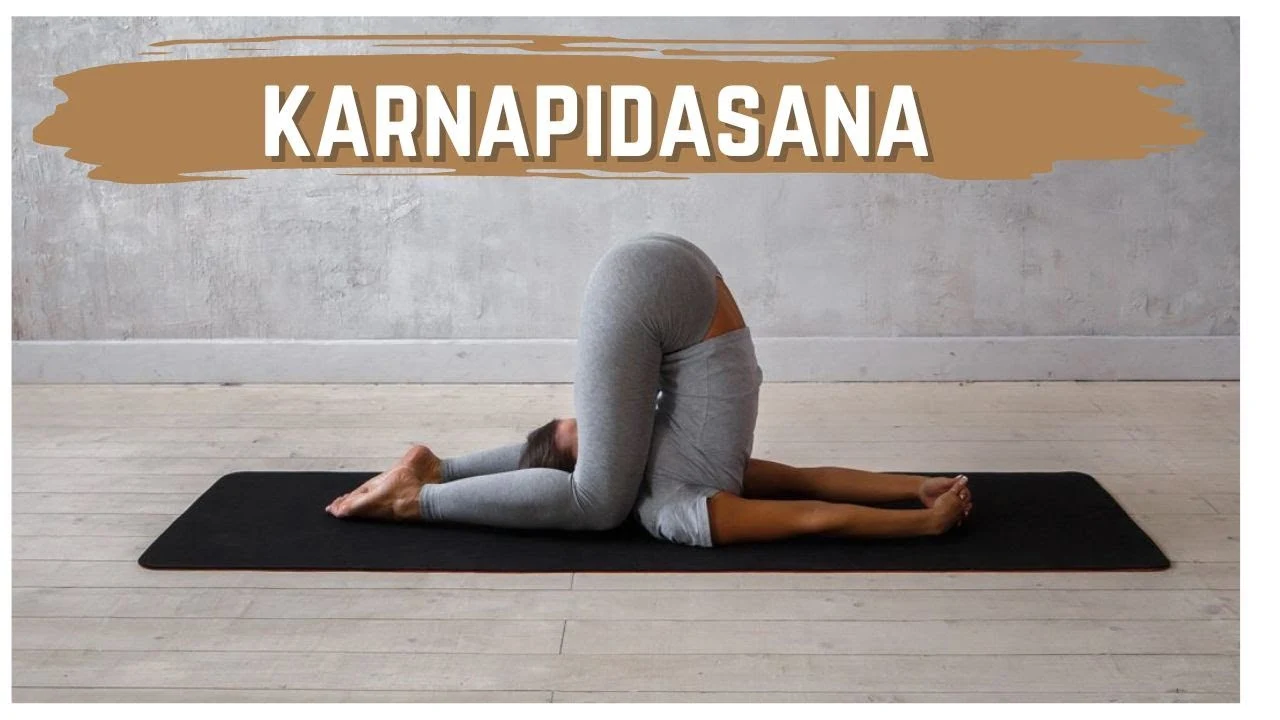
Karnapidasana (Ear Pressure Pose): Promote Relaxation
Karnapidasana, popularly known as Ear Pressure Pose, is an example of an asana that involves flexibility along with breath control. With the natural formation of bringing the knees towards the ears in this pose, the atmosphere becomes calm enough for the practitioner to focus inward.
Mindfulness and flexibility walk together in a complete yoga practice. Just like some asanas bring energy into the body, some other asanas are designed to create silence, contemplation, and relaxation for the practitioner. Even if this pose is an advanced yoga pose, Karnapidasana can be a great addition to your yoga practice through gradual learning.
Key Takeaways
- Promotes stillness: Ear-covered inversion encourages deep inward focus.
- Stretches spine: Releases neck, shoulder, and hamstring tension.
- Prepares meditation: Calming posture ideal for evening relaxation.
What Is Karnapidasana (Ear Pressure Pose)?
The term Karnapidasana is formed using two Sanskrit words; namely, Karna, which means “ear,” and Pida, which translates to “pressure” or “gentle compression,” while Asana means “pose.” The pose has been given such a name due to the fact that the knees are gently placed next to the ears.
Karnapidasana is generally performed as an extension of Halasana (Plough Pose). The pose is performed from an inverted pose where the knees come to a position close to the ears as the spine stays relaxed and elongated. The posture needs flexibility of the back, shoulder, hip, and hamstring muscles, as well as breath control.
The focus is more on breathing rather than on obtaining a maximum stretch.
How to Perform Karnapidasana (Ear Pressure Pose)
These are the instructions that need to be followed for a safe execution of Karnapidasana.
- Lie down in supine position with your hands by your side.
- Bring your legs and hips into Halasana (Plough Pose) such that your feet lie behind your head.
- Now slowly bring your knees to the ground, lying on either side of your head.
- The knees should be as near as possible to your ears, but do not force yourself.
- Try to keep your neck relaxed and do not move your head in any direction during the process.
- If required, place your hands on the ground.
- Breathe normally while performing this posture.
- Hold the posture for 15-30 seconds according to your convenience.
- Roll back to the floor carefully.
Tips for Beginners
- Warm up your spine, shoulders, and hamstrings before attempting this posture.
- Practise Halasana first, then try Karnapidasana.
- Do not try to bring your knees to the floor by force.
- Try to maintain a slow pace and be controlled in all movements.
Wellness Benefits of Karnapidasana
Practising Karnapidasana (Ear Pressure Pose) regularly can contribute to physical flexibility and mental relaxation when performed correctly.
|
|
|
|
|
|
|
|
|
|
|
|
|
|
|
|
|
|
|
|
|
|
|
|
|
|
|
Tips and Precautions
Karnapidasana (Ear Pressure Pose) should be done carefully and without tension.
- It is important to warm up before doing any inversion poses in yoga.
- Perform this pose slowly for the safety of the spine.
- Never move your head when in this pose.
- It is advised to place a rolled blanket under your shoulder region, as advised by your trainer.
- It should not be performed if there are injuries in the neck region, spine, glaucoma, hypertension, or surgeries.
Summing Up
The Karnapidasana is a unique pose in yoga that incorporates flexibility, balance, and mindfulness into a highly peaceful pose. Even though some preparation and patience is needed before adopting this pose, by doing so one will be able to enjoy many health benefits of Karnapidasana as well as increase mobility, relax, and connect their mind and body.
Frequently Asked Questions
1. Is it necessary for me to know how to practice Halasana before learning Karnapidasana?
Yes, since one of the main entrances into Karnapidasana is Halasana, it will be easier for you to do Karnapidasana if you are comfortable doing Halasana.
2. Can Karnapidasana be performed as part of an evening yoga practice?
Yes. Many people choose to practice Karnapidasana at the end of a yoga practice due to its contemplative nature.
3. What kind of clothing should I wear while practicing Karnapidasana?
You should wear loose-fitting clothes that allow you to move freely and do not limit your shoulders, hips, and legs. You shouldn't wear clothes with zippers.
4. Do I need to use any props when I am doing Karnapidasana?
Yes, your yoga teacher may recommend using a folded blanket under the shoulders to support your neck position in this pose.
Disclaimer: The content on LifePositive.com, including articles/blogs on yoga, acupuncture, naturopathy, and other alternative healing modalities for holistic wellness, is for informational and educational purposes only. It is not a substitute for professional medical advice, diagnosis, or treatment. Always consult a qualified healthcare provider before starting any new health protocol or making changes to an existing treatment plan.
Also Read: Bakasana
By Umesh Kumar Khiri


Discussion (0)
No comments yet. Be the first to comment!
Leave a Comment
You need to login to post a comment.