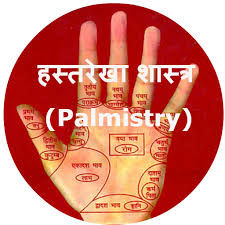
Palmistry
Chirology" redirects here. For manual alphabets, see Fingerspelling. For sign-language phonology, see Cherology.
The Fortune Teller, by Caravaggio (1594–95; canvas; Louvre), depicting a palm reading
The Fortune Teller by Enrique Simonet (1899)
Palmistry, or chiromancy (also spelled cheiromancy; from Greek kheir (χεῖÏ, ός; “handâ€) and manteia (μαντεία, ας; “divinationâ€)), is the claim of characterization and foretelling the future through the study of the palm, also known as chirology, or in popular culture as palm reading. The practice is found all over the world, with numerous cultural variations. Those who practice chiromancy are generally called palmists, hand readers, hand analysts, or chirologists.
There are many—often conflicting—interpretations of various lines and palmar features across various schools of palmistry. These contradictions between different interpretations, as well as the lack of empirical support for palmistry's predictions, contribute to palmistry's perception as a pseudoscience among academics.[1][2]

Discussion (0)
No comments yet. Be the first to comment!
Leave a Comment
You need to login to post a comment.