5 Sitting Asanas and their Benefits
Yoga has its origins in ancient India. It is a typical school of discipline in Hinduism, Buddhism and Jainism. If you haven't thought about practicing Yoga, now's the time to discover the sitting asanas and their benefits.
Derived from the Sanskrit word 'yuj', Yoga implies union of the body and soul with the Universal Consciousness or Spirit. Yoga is a 5000-year-old school of spiritual and physical exercises. People are not aware of the depth of ancient knowledge which is embodied in the art of Yoga. Sadly, many consider yoga to be just a physical exercise where individuals bend, turn and stretch in the most complex ways. Yoga, in reality, unfurls the vast possibilities of the human personality and soul. The art of Yoga soaks up the entire quintessence of the Way of Life.
Here are 5 Sitting Asanas and their Benefits
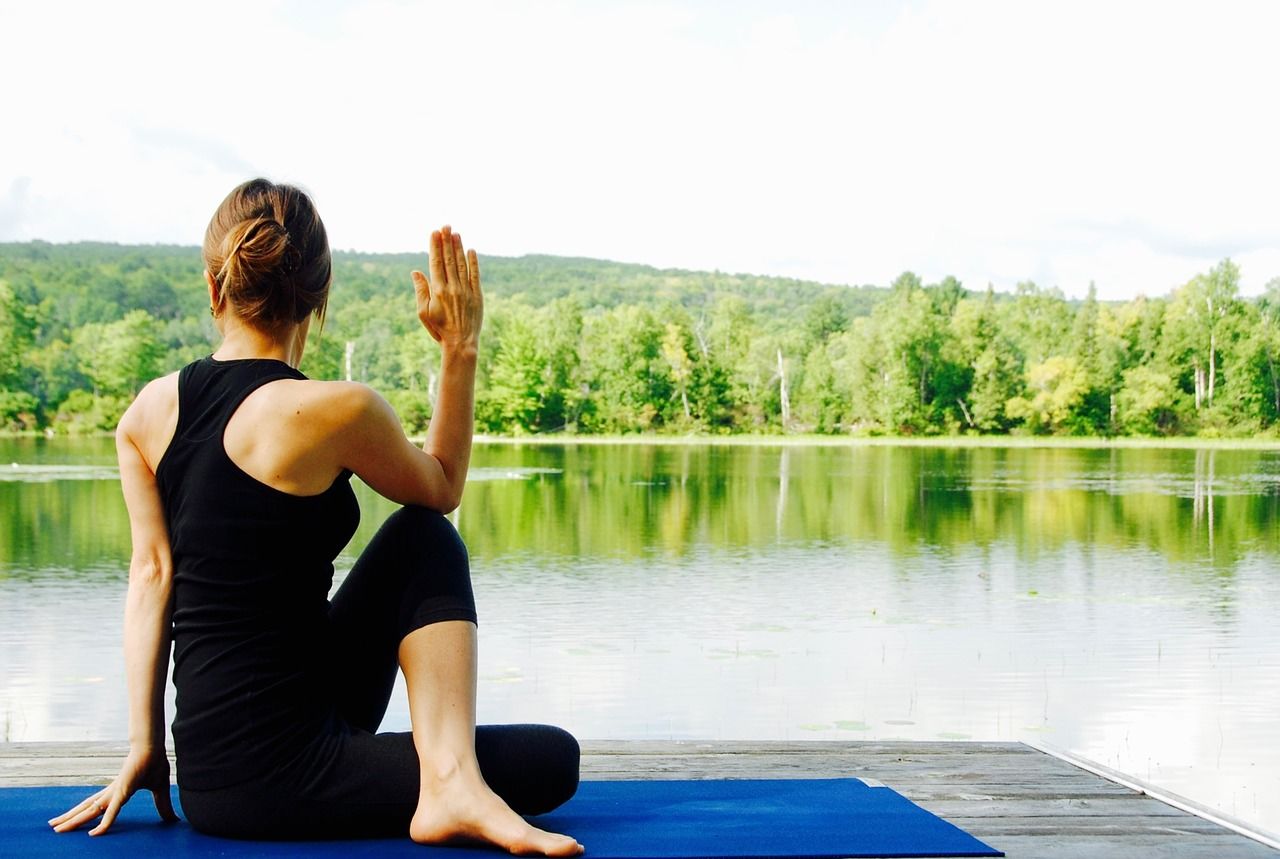
1. Bharadvajasana

Bharadvaj is one among the seven diviners, and this asana is named after him. He is believed to have created many psalms in the Vedas. The Bharadvaja's twist is a basic yoga asana that has uncountable advantages. The best part is that it can be easily done by newbies.
Benefits
- It strengthens the stomach organs.
- It stretches the spine, shoulders, and hips without putting any stress.
- Calms down spinal pain and neck sprain.
- It also heals sciatica.
- Soothes pressure on the spine.
- Enhances metabolic rate resulting in better digestion.
- Particularly helpful in the second trimester of pregnancy because it strengthens the back muscles.
- Restorative for carpal tunnel syndrome.
2. Sukhasana

Sukhasana is one of the most common yoga postures. It is also referred as Decent Pose, Easy Seat/Pose or Pleasant Pose. If we have to recommend a popular pose, it will be Sukhasana.
While opening the hips and extending the spine, the asana's relative straightforwardness on the knees makes it more straightforward than siddhasana or padmasana for individuals with physical issues or deformities. It is critical that the spine is straight and aligned up with the head and neck.Sometimes, Yoga teachers steady the sukhasana posture by putting cushions or covers under the knees to make it comfortable for students so that they can sit for a longer time without drooping forward. An extra blanket or pillow under the hips may prove to be a steady support.
Benefits
- Lengthens and strengthens your spine
- Makes your collarbones and chest relax
- Quietens your mind
- Improves your state of quietness and tranquillity
- Helps in improving body posture
- Makes your hip muscles strong
- Helps in reducing tiredness
- Strengthens your back
- Stretches your lower legs and knees
- Delicately massages your knees, lower leg muscles, and your thigh
3. Ardha Matsyendrasana

The Indian Mythology directly inspires this Asana. Ardha Matsyendrasana, Half Lord of the Fishes Pose, Half Spinal Twist Pose or Vakrasana, is one of the twelve most essential asanas mentioned in Hatha Yoga. The asana shows up as a spinal contort with numerous variations.
Ardha Matsyendrasana is one of few asanas practiced in the Yoga sessions that exercise the spine. Most asanas focus on curving the spinal segment either in reverse or forward. In a sense, spine is what keeps us alive. Thus, to make our spine noticeably flexible, this asana must be practiced on a daily basis. Additionally, Ardha Matsyendrasana conditions the spinal nerves and tendons and enhances the blood circulation.
Benefits
- Enhances firmness of hip joints
- Cures back issues
- Helpful for slipped plate understanding
- Cures gastric issues and acid reflux
- Strengthens back muscle and spine
- Builds oxygen supply to the lungs
- Effectively relieves menstrual issues in ladies
- Useful for expanding the adaptability and strength of vertebrae of the spine
- Increases blood flow to the pelvic area and enhances the capacity of reproductive organs
- Supportive in the treatment of diabetes, obstruction, spinal issues, Cervical Spondylitis, Urinary tract issue
4. Janu Sirsasana

The Janu Sirsasana asana is an essential part of the Ashtanga Yoga. It is a sitting asana and gets its name from the way the head touches the knee in the full articulation of this posture. Additionally, we also call this asana as the Head-to-Knee Pose, the Head-to-Knee Forward Bend, and the Head-on-Knee Pose.
Benefits
- Fortifies the liver and kidneys
- Enhances digestive system functioning
- Soothes the side effects of menopause
- Helps in maintaining posture by strengthening the spine
- Quietens the mind and mitigates depression symptoms
- Extends the spine, shoulders, hamstrings, and crotches
- Alleviates uneasiness, weakness, cerebral pain, menstrual pain
- Restorative for hypertension, sleep deprivation, and sinusitis
- Reinforces the back muscles amid pregnancy.
- Particularly beneficial for women in the second trimester
5. Agnistambhasana

Also called Fire Log Asana, Agnistambhasana is an intense hip-opening yoga pose that quietens your mind and soothes the lower back problems. It has medium difficulty level but is one of the favorites of Yoga Gurus.
- Opens and extends the hips
- Extends the crotches and bottom delicately
- Invigorates the stomach organs
- Fortifies legs and calves
- Calms the train of thoughts
- Reduces the anxiety
- Diminishes nervousness, pressure, and stress
Why Must You Reap Sitting Asanas and their Benefits?
Sitting asanas and their benefits are not ruling the world for no reason. Doctors and surgeons across the world are praising the benefits of sitting asanas as well. In fact, such asanas have become a non-surgical way of healing your body, mind, and soul. Sooner or later, Yoga as a healing ritual will establish its importance in your life a daily basis. Going back to our roots will result in a fit body and a healthy mind. Trust us, you will live better once you realize the connection between body, soul, and sitting asanas and their benefits.

Discussion (0)
No comments yet. Be the first to comment!
Leave a Comment
You need to login to post a comment.