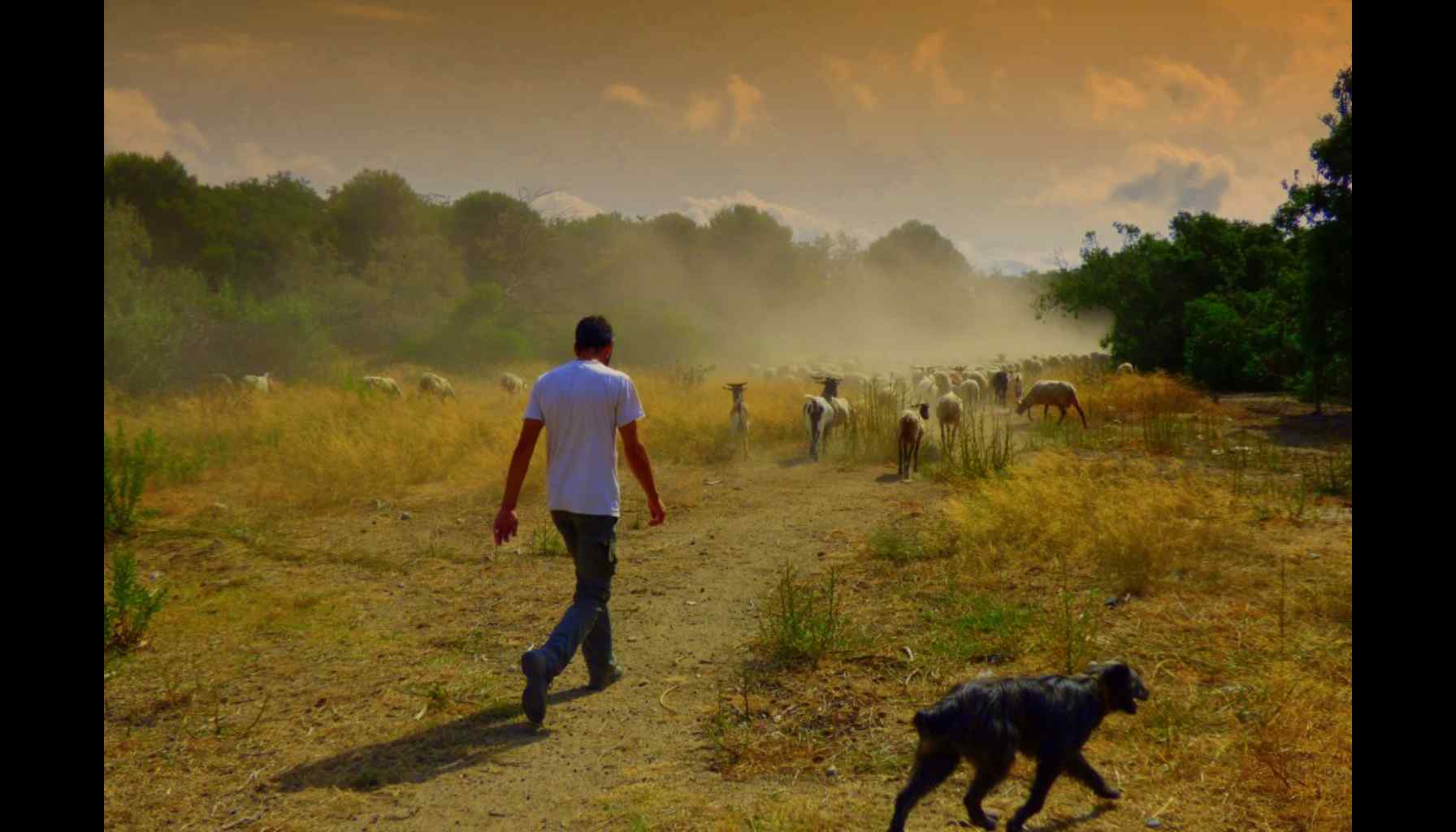
Animal Hunters Become Animal Protectors in Indonesia
For generations, hunting has been part of life in some communities across Indonesia. Wild animals were hunted for food, traditional practices or income, while the growing demand for wildlife products created additional pressure on endangered species. But in some parts of the country, an inspiring transformation is taking place: people who once hunted animals are becoming their protectors.
Indonesia's forests, wetlands, islands and coastal ecosystems are home to orangutans, elephants, tigers, rhinos, sun bears, pangolins and many other species. However, habitat loss, illegal hunting and wildlife trafficking have placed many animals under threat. Protecting them requires not only laws and enforcement but also the participation of local communities.
From Hunting to Conservation
Former hunters possess valuable knowledge about forests and wildlife. They know animal movements, feeding areas, tracks and seasonal patterns. Conservation organisations have increasingly recognised that this knowledge can become a powerful tool for protecting wildlife.
Instead of using their skills to locate animals for hunting, former hunters can use them to monitor forests, identify signs of illegal activity and help conservation teams track endangered species. Their intimate understanding of the landscape makes them effective partners in conservation.
This change can also provide communities with alternative sources of income. People may find employment as forest patrol members, wildlife monitors, guides or conservation assistants. When protecting wildlife provides a stable livelihood, the economic incentive to hunt can decline.
Protecting Endangered Wildlife
Indonesia's endangered species need particularly strong protection. The Sumatran tiger, Sumatran elephant, orangutan and Javan rhinoceros are among the animals affected by habitat destruction and human pressure.
Community-based conservation can help create a protective network around important habitats. Local people can report traps, discourage illegal hunting and alert authorities when unfamiliar activities are noticed in forests.
Former hunters can play an especially important role because they understand the methods used by poachers. Their experience can help conservation teams recognise hunting routes, identify traps and understand where wildlife is vulnerable.
Changing Attitudes Towards Animals
The transformation is not only about finding a new occupation. It can also involve a profound change in attitudes.
Someone who once viewed a wild animal as a source of meat or income may gradually begin to see it as an important part of the ecosystem. A healthy forest supports wildlife, provides water, stores carbon and contributes to the wellbeing of surrounding communities.
Education can strengthen this change. When people learn that wildlife tourism, healthy forests and conservation can create long-term economic opportunities, protecting animals becomes connected with their own future.
Conservation Through Community Participation
Successful conservation cannot always be achieved by keeping local communities away from forests. People living near wildlife habitats need to have a meaningful role in protecting them.
Community participation can include forest patrols, environmental education, sustainable agriculture, ecotourism and wildlife monitoring. Women and young people can also become involved in conservation programmes, creating broader community support.
The transformation of hunters into protectors demonstrates an important principle: people who understand a problem from the inside can sometimes become powerful agents of change.
A Hopeful Future
Indonesia's wildlife faces serious challenges, but stories of former hunters becoming conservationists offer hope. Their knowledge, experience and connection with the landscape can be redirected towards protecting nature.
The journey from hunter to protector shows that conservation is not simply about protecting animals from people. It can also be about working with people and creating opportunities that make wildlife protection beneficial to communities.
When a person who once followed an animal with a weapon begins following its tracks to protect it, the change represents more than a new job. It represents a change in values—and a powerful reminder that people can become guardians of the very wildlife they once pursued.
We wish them all the best.
By Jamuna Rangachari


Discussion (0)
No comments yet. Be the first to comment!
Leave a Comment
You need to login to post a comment.