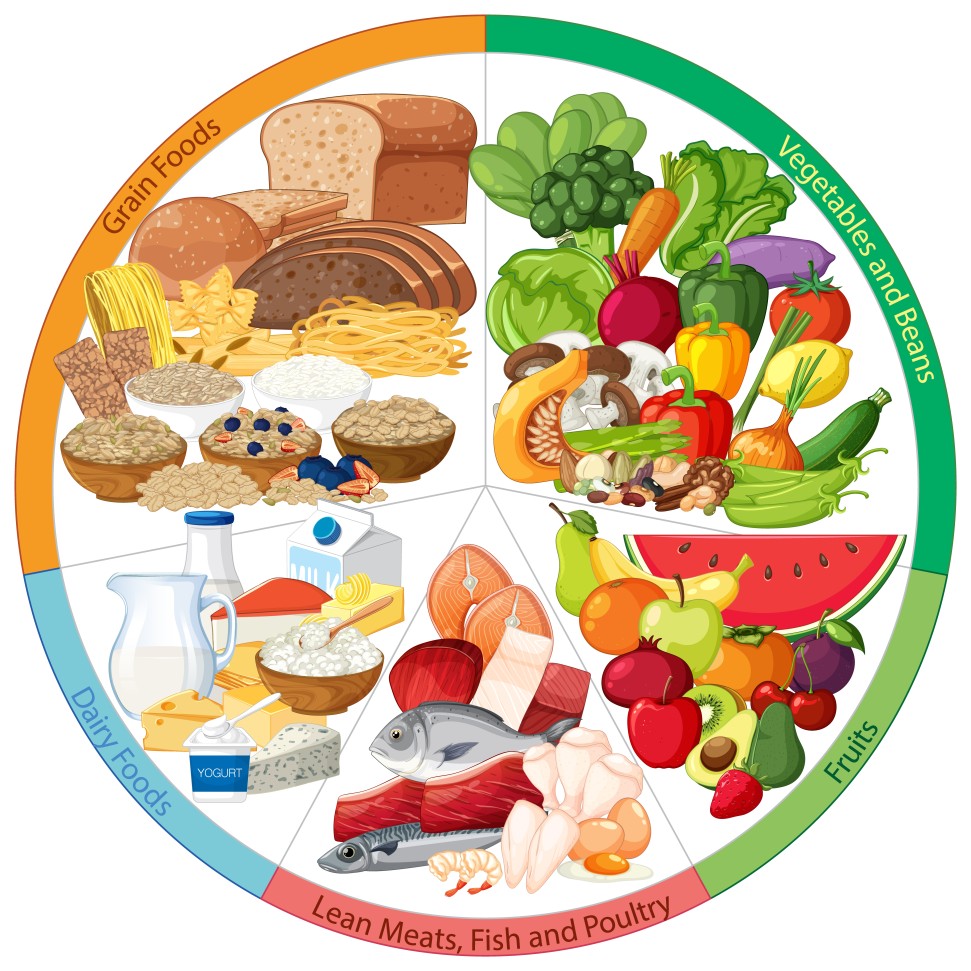
Have a balanced diet for good health
Achieving a balanced nutritional diet is a cornerstone of good health, energy, and long-term well-being. It's less about strict rules and more about building sustainable, healthy habits.
Here’s a practical, step-by-step guide to help you eat a balanced diet.
Core Principles of a Balanced Diet
-
Variety: Eat a wide range of foods to ensure you get all the different nutrients your body needs.
-
Moderation: Control portion sizes; even healthy foods can lead to weight gain if eaten in excess.
-
Nutrient Density: Focus on foods that pack a lot of nutrients (vitamins, minerals, fiber) relative to their calories (e.g., vegetables, fruits, whole grains, lean proteins).
The "How-To" Guide: Building Your Plate
A simple visual method is the "Plate Method" (recommended by many health organizations):
-
½ of Your Plate: Fruits and Vegetables.
-
Aim for: Color and variety. Different colors provide different nutrients.
-
Tip: Include vegetables in every meal. Choose whole fruits over juice for more fiber.
-
¼ of Your Plate: Lean Protein.
-
Sources: Chicken, turkey, fish, eggs, legumes (beans, lentils), tofu, tempeh, nuts, seeds.
-
Tip: Include fish (especially oily fish like salmon) at least twice a week. Limit processed meats (sausage, bacon).
-
¼ of Your Plate: Whole Grains or Starchy Vegetables.
-
Sources: Brown rice, quinoa, oats, whole-wheat pasta/bread, barley, sweet potatoes, corn.
-
Tip: "Whole grain" should be the first ingredient on food labels.
-
Add a Side of Healthy Fats & Dairy/Dairy Alternatives:
-
Healthy Fats: Avocado, olive oil, nuts, seeds. Use oils in moderation.
-
Dairy: A serving of low-fat or fat-free yogurt, milk, or cheese (or fortified plant-based alternatives like soy/almond milk) for calcium and vitamin D.
Key Food Groups & Daily Goals
-
Fruits & Vegetables: At least 5 servings total per day (more is better!). One serving = 1 medium fruit, ½ cup chopped, 1 cup leafy greens.
-
Whole Grains: Make at least half of your grain intake whole grains.
-
Protein: Include a source with each meal. A palm-sized portion is a good guide.
-
Healthy Fats: A small amount daily (e.g., 1-2 tbsp of oil, a small handful of nuts).
-
Hydration: Drink plenty of water throughout the day. Limit sugary drinks (soda, sweet tea) and excessive fruit juice.
Practical Tips for Everyday Life
-
Plan & Prep: Plan a few meals for the week. Pre-chop vegetables, cook a batch of grains, or prepare a simple lunch to avoid unhealthy impulse choices.
-
Read Labels: Focus on the Ingredients list (shorter is often better) and the Nutrition Facts panel. Watch for high amounts of added sugars, sodium, and saturated/trans fats.
-
Cook More at Home: This gives you complete control over ingredients and portions.
-
Eat Mindfully: Pay attention to hunger and fullness cues. Eat slowly, without distractions like TV or phones.
-
Don't Fear Healthy Snacks: They can maintain energy. Pair a protein with a carb (e.g., apple with peanut butter, yogurt with berries).
-
Practice the 80/20 Rule: Aim to make healthy choices 80% of the time, allowing for flexibility and favorite treats 20% of the time. This prevents feelings of deprivation.
-
Limit Ultra-Processed Foods: These are often high in unhealthy fats, sugar, salt, and additives. Think chips, cookies, sugary cereals, and frozen meals. Enjoy them occasionally, not daily.
What to Be Mindful Of
-
Added Sugar: The WHO recommends less than 10% of daily calories (ideally <5%). Check labels in sauces, yogurts, and cereals.
-
Sodium (Salt): High intake is linked to high blood pressure. Flavor food with herbs, spices, garlic, and lemon instead.
-
Saturated & Trans Fats: Limit red meat, butter, and fried foods. Choose healthier fats from plants and fish.
Important Considerations
-
Personalization: Your ideal diet depends on your age, sex, activity level, health goals, and any medical conditions (e.g., diabetes, food allergies).
-
Sustainability: Choose a pattern of eating you can maintain for life, not a short-term "diet."
-
Seek Professional Advice: For personalized guidance, especially if you have specific health concerns, consult a Registered Dietitian (RD) or a qualified nutrition professional. They can provide tailored plans.
A Simple Sample Day
-
Breakfast: Greek yogurt with berries and a sprinkle of oats/nuts.
-
Lunch: Large salad with mixed greens, grilled chicken, quinoa, avocado, and a olive oil & lemon dressing. A piece of fruit on the side.
-
Snack: Carrot sticks with hummus.
-
Dinner: Baked salmon, a large portion of roasted broccoli, and a small sweet potato.
-
Hydration: Water, herbal tea throughout the day.
Remember: Progress, not perfection. Start by making one or two small, positive changes this week. Building a balanced diet is a journey of learning and adapting that leads to lasting health.
By Jamuna Rangachari

.jpg)

Discussion (0)
No comments yet. Be the first to comment!
Leave a Comment
You need to login to post a comment.