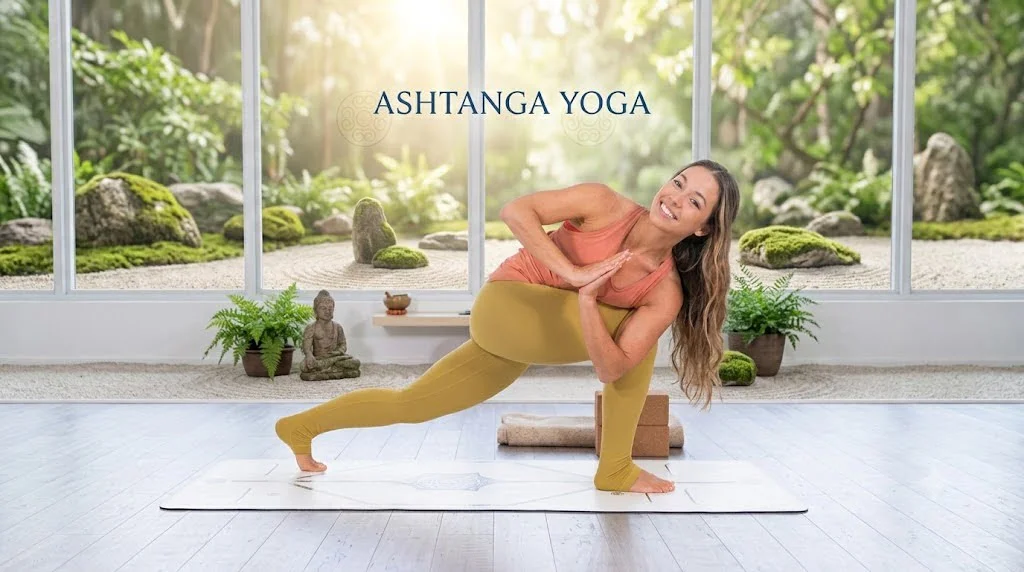
Ashtanga Yoga: Understanding the 8 Limbs of Yoga
At the heart of ancient wisdom lies Ashtanga Yoga, the "eight-limbed path" codified by the sage Patanjali in the Yoga Sutras. Yoga is commonly perceived as a set of physical poses, but the actual art of yoga goes beyond physical exercise. Ashtanga Yoga refers to the eight limbs of yoga, which encompass conduct, physical exercises, breathing techniques, control of the senses, contemplation, and meditation. The eight limbs of yoga are elaborated in Patanjali's Yoga Sutras and gradually progress from physical practice to mental contemplation.
The concept of the 8 Limbs of Yoga gives yoga a wider scope than just a simple physical exercise.
Key Takeaways
- Structured & Dynamic Sequence: Features a fast-paced, fixed series of postures synchronized with continuous breathing.
- Builds Strength & Endurance: Heavy focus on core strength, muscle tone, flexibility, and physical stamina.
- Internal Heat & Detoxification: Generates intense internal body heat through continuous movement, aiding circulation and detox.
What Is Ashtanga Yoga?
The Sanskrit term Ashtanga combines "ashta," meaning eight, and "anga," meaning limbs or parts.
The 8 Limbs of Yoga Explained
1. Yama – Ethical Standards
Yama is concerned with the person’s relations with other people and with the environment.
2. Niyama – Individual Discipline
Niyama shifts the focus within and becomes concerned with individual habits and attitudes.
3. Asana – Postures
Asana is associated with the postures of yoga. Unlike the usual understanding that asanas are simply physical postures aimed at improving flexibility or fitness, traditional yoga views the asanas as a way of building up steadiness and preparing for further practices.
4. Pranayama – Breath Regulation
Pranayama is concerned with practices aimed at breath regulation. They can be included in the yoga practice regime after or along with the physical practice.
5. Pratyahara – Sensory Withdrawing
Pratyahara is concerned with lessening dependence on sensory experience and directing the attention within. This limb builds a connection between the more external limbs and those involving concentration.
6. Dharana – Concentration
Dharana is about deliberately holding the attention on the chosen object, point or focus.
7. Dhyana – Meditation
Dhyana is a term that denotes meditation or constant attention. Rather than continually pulling back the wandering mind into focus, the person attains a continuous level of consciousness.
8. Samadhi – Deep Absorption
Samadhi is an ancient term that signifies deep absorption. Samadhi marks the deepest level of practice within the eight-limbed practice.
Ashtanga Yoga: From Outer to Inner Practice
Ashtanga yoga has a deeper meaning, which is explained below:
|
|
|
|
|
|
|
|
|
|
|
|
|
|
|
|
|
|
|
|
|
|
|
|
|
|
|
|
|
|
|
|
|
|
|
|
The sequence moves broadly from ethical and physical practices toward increasingly inward forms of attention.
Benefits of Practising the 8 Limbs of Yoga
Some of the benefits of regular yoga practice are as follows:
|
|
|
|
|
|
|
|
|
|
|
|
|
|
|
|
|
|
|
|
|
|
|
|
|
|
|
How to Incorporate Ashtanga Yoga Into Daily Life
You do not necessarily need to practise all eight limbs as separate sessions. Their principles can be incorporated gradually.
|
|
|
|
|
|
|
|
|
|
|
|
|
|
|
|
|
|
|
|
|
|
|
|
|
|
|
Final Thoughts
Ashtanga Yoga is not simply about doing various poses of yoga. The Eight Limbs of Yoga make up a wide context in which behavior, self-care, movement of the body, breath control, and mind training come together. All limbs, including Yama and Niyama through to Dharana, Dhyana, and Samadhi, provide a different aspect of practice.
There is no point in trying to get all of it done if you have just started practicing yoga. You can begin by making a single change in your life, such as performing a few poses or taking mindful breaths.
FAQs
1. What does Ashtanga Yoga mean?
It means eight limbs. In Patanjali’s system, it is the path made up of eight parts: Yama, Niyama, Asana, Pranayama, Pratyahara, Dharana, Dhyana, and Samadhi.
2. Are the 8 Limbs of Yoga only physical exercises?
No, it is not. Asana is just the third limb. It involves other parts such as ethics, discipline, pranayama, sensory withdrawal, concentration, and meditation.
3. Is Ashtanga Yoga the same as modern Ashtanga Vinyasa Yoga?
No, it is not. Ashtanga Yoga is the system of eight limbs, while Ashtanga Vinyasa Yoga is a certain form of modern physical yoga.
4. Can beginners practice the 8 Limbs of Yoga?
Yes, they can. Beginners may begin with basic asanas, pranayama, ethics, and some concentration or meditation practice.
Also Read: Yoga for stiff neck
By Umesh Kumar Khiri

Discussion (0)
No comments yet. Be the first to comment!
Leave a Comment
You need to login to post a comment.