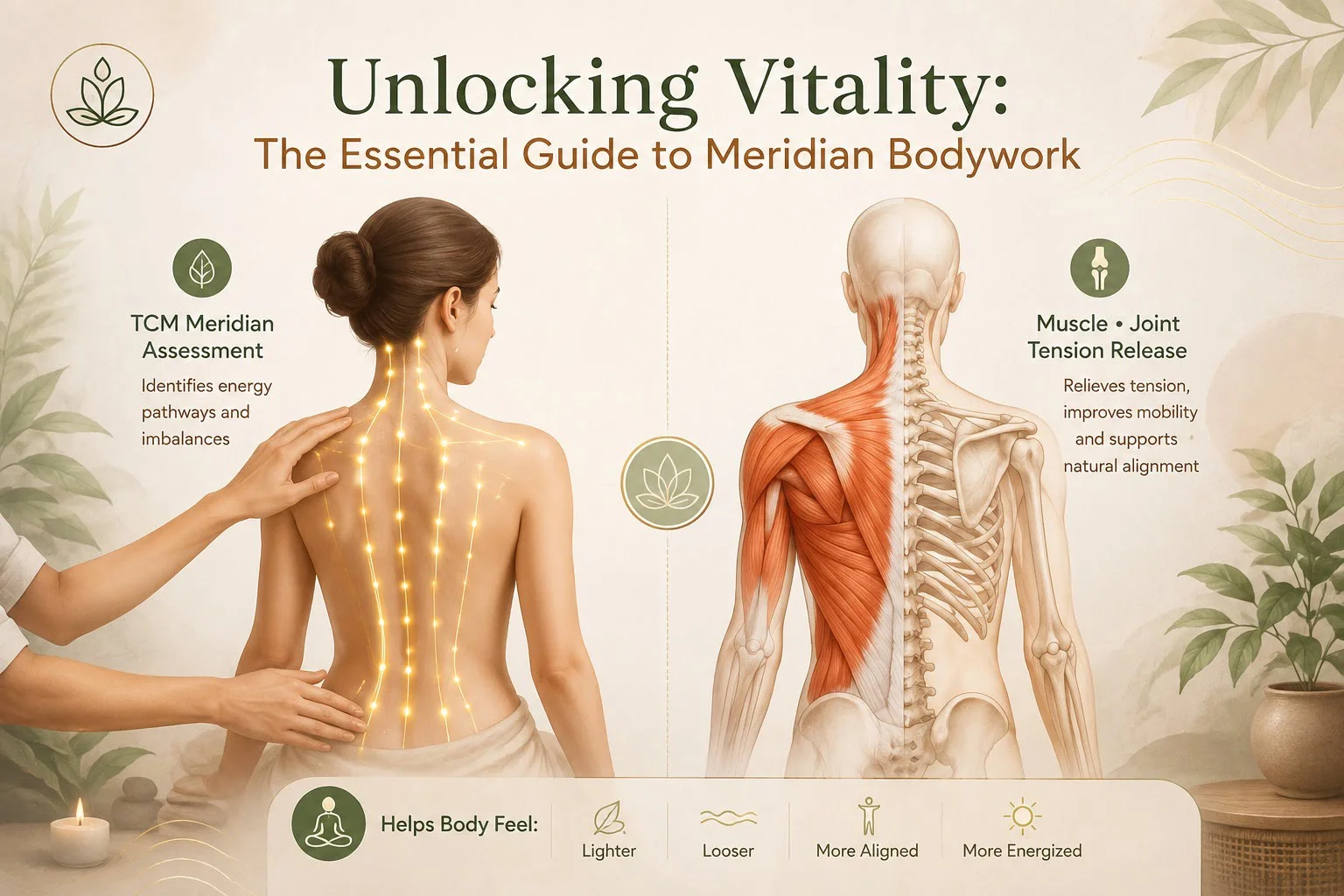
Unlocking Vitality: The Essential Guide to Meridian Bodywork
The Foundations of Traditional Energy Medicine
For centuries, people around the world have sought natural ways to maintain health, relieve discomfort, and restore balance. Among the many traditional wellness practices that have stood the test of time, acupressure remains one of the most accessible and widely practiced.
Modern research suggests that some benefits of acupressure may be related to relaxation, increased blood circulation, stimulation of nerve pathways, and the release of endorphins—the body's natural feel-good chemicals. While scientific evidence varies depending on the condition being treated, many people report feeling calmer, more energized, and physically refreshed after regular acupressure sessions.
Acupressure for Wellness Living and Daily Balance
Today's fast-paced world often leaves people feeling physically exhausted and emotionally overwhelmed. Long working hours, constant screen time, limited physical activity, and everyday responsibilities can gradually affect both body and mind. Acupressure provides a simple yet meaningful way to introduce moments of relaxation and mindfulness into daily life.
Stimulating Pressure Points for Pain Relief
One of the most recognized reasons people explore acupressure is to help manage occasional aches and muscle discomfort. Whether caused by prolonged sitting, repetitive movements, physical activity, or everyday stress, mild pain can interfere with comfort and productivity.
Many individuals report relief from:
- Tension headaches
- Neck stiffness
- Shoulder tightness
- Lower back discomfort
- Mild joint soreness
- Muscle fatigue
- Foot pain after standing for long periods
Activating Acupoints for Natural Stress Reduction
Stress has become an unavoidable part of modern life. Deadlines, financial responsibilities, family obligations, and constant digital connectivity can place continuous demands on both mental and physical health.
Acupressure offers an opportunity to pause, breathe, and create intentional moments of relaxation. Gentle stimulation of calming pressure points may help reduce feelings of tension and promote a sense of emotional balance.
Creating a daily five- to ten-minute relaxation routine can be surprisingly beneficial. Even brief sessions before work, during lunch breaks, or before bedtime may help individuals feel more centered throughout the day.
Self-Massage Techniques for Immune System Support
A healthy immune system depends on many interconnected lifestyle factors, including nutritious food, quality sleep, regular exercise, hydration, stress management, and appropriate medical care. While acupressure should not be viewed as a way to prevent or treat infectious diseases, many people include gentle self-massage as part of a broader wellness routine.
The relaxing effects of acupressure may indirectly support overall health by helping reduce stress, encouraging restful sleep, and promoting a sense of well-being. Chronic stress is known to influence many aspects of health, making regular relaxation practices an important part of self-care.
A simple self-acupressure routine may include:
- Wash your hands and find a comfortable position.
- Take several slow, deep breaths.
- Apply gentle pressure using your thumb or fingertips.
- Hold each point for 30 to 60 seconds.
- Massage in slow circular motions if comfortable.
- Continue breathing steadily throughout the session.
- Finish by gently stretching the neck, shoulders, and arms.
Morning acupressure routines may help people feel refreshed and energized, while evening sessions often focus on relaxation and winding down after a busy day.
Consistency matters more than intensity. Short daily sessions are generally easier to maintain than occasional lengthy treatments.
Combining self-massage with healthy nutrition, regular physical activity, sufficient hydration, and adequate sleep creates a stronger foundation for overall wellness than relying on any single practice alone.
As you become more familiar with your body's responses, acupressure can evolve from an occasional relaxation technique into a meaningful daily ritual that encourages mindfulness, balance, and greater appreciation for your overall health.
Core Pillars of Holistic Health Management
Holistic health is based on the understanding that true wellness extends beyond the absence of illness. It recognizes the deep connection between the body, mind, emotions, and lifestyle. Rather than treating isolated symptoms, a holistic approach focuses on nurturing every aspect of well-being so that the body can function at its best.
Acupressure aligns naturally with this philosophy. Traditional practitioners believe that stimulating specific pressure points helps maintain the body's natural balance and supports the harmonious flow of energy throughout the meridian system. While modern science continues to study the mechanisms behind these practices, many individuals report feeling calmer, more relaxed, and better equipped to manage everyday challenges after regular acupressure sessions.
Promoting Sleep Quality Through Calming Meridians
Quality sleep is one of the most important foundations of physical and mental health. During sleep, the body repairs tissues, consolidates memories, regulates hormones, and restores energy levels. Unfortunately, millions of people struggle with occasional sleeplessness due to stress, anxiety, busy schedules, excessive screen time, or irregular routines.
Acupressure has become a popular relaxation technique before bedtime because it encourages mindfulness and helps the body transition from a busy day into a more restful state. Gentle pressure applied to calming acupoints may help reduce physical tension and promote relaxation, making it easier for some people to prepare for sleep.
Many evening acupressure routines begin by creating a peaceful environment. Dim lighting, comfortable clothing, soft music, and slow breathing can all enhance the relaxing experience. Spending just ten to fifteen minutes focusing on gentle pressure and mindful breathing allows both the body and mind to unwind naturally.
Enhancing Digestive Health via Targeted Energy Channels
Digestive wellness plays a vital role in overall health. The digestive system is responsible for breaking down food, absorbing nutrients, supporting immune function, and eliminating waste. Everyday factors such as stress, poor dietary habits, dehydration, lack of physical activity, and irregular meal schedules can all influence digestive comfort.
Traditional acupressure practitioners believe that certain meridians are associated with digestive function. By gently stimulating specific acupoints, they aim to encourage balance within these energy pathways and promote digestive harmony.
While scientific evidence remains limited regarding specific digestive conditions, many people report feeling more relaxed and comfortable after practicing acupressure as part of a broader wellness routine.
Restoring Mental Clarity and Internal Harmony
Modern life demands constant attention. Emails, social media notifications, work responsibilities, family obligations, and endless streams of information often leave people mentally exhausted. Maintaining focus and emotional balance has become increasingly difficult in today's fast-paced environment.
Acupressure offers an opportunity to slow down and reconnect with the present moment. Many practitioners describe it as more than a physical technique—it becomes a mindful practice that encourages awareness of breathing, posture, emotions, and physical sensations.
Cultivating Mindfulness
Mindfulness involves paying attention to the present without judgment. When practicing acupressure, individuals naturally shift their focus toward breathing and bodily awareness rather than external distractions.
This mindful approach may help reduce feelings of overwhelm while encouraging greater emotional resilience.
Simple mindfulness techniques include:
- Closing your eyes while breathing slowly.
- Noticing areas of muscle tension.
- Releasing unnecessary physical strain.
- Observing thoughts without reacting to them.
- Returning attention gently to your breathing.
Combining mindfulness with acupressure creates a relaxing experience that many people find restorative after demanding days.
Supporting Emotional Well-Being
Emotional health influences nearly every aspect of daily life. While acupressure is not a treatment for anxiety, depression, or other mental health conditions, many individuals find that regular self-care practices help them feel calmer and more balanced.
A daily wellness routine may include:
- Morning stretching
- Meditation
- Acupressure
- Journaling
- Nature walks
- Gratitude exercises
- Regular physical activity
These healthy habits often reinforce one another, creating a positive cycle that supports emotional resilience.
Improving Concentration
Mental fatigue can reduce productivity, creativity, and motivation. Taking short wellness breaks throughout the day may help refresh the mind.
Instead of working continuously for hours, consider spending five minutes practicing deep breathing, gentle neck stretches, and acupressure before returning to tasks. Many people report improved focus after these brief periods of relaxation.
Building Long-Term Balance
Holistic wellness is not about achieving perfection. Every individual experiences periods of stress, uncertainty, and physical discomfort. The goal is to develop healthy routines that make it easier to recover from life's inevitable challenges.
Acupressure encourages consistency rather than intensity. A few minutes of mindful practice each day may contribute to a greater sense of balance over time.
As part of a healthy lifestyle, acupressure reminds us that caring for ourselves does not always require complicated routines or expensive treatments. Sometimes, slowing down, breathing deeply, and reconnecting with our bodies can be meaningful first steps toward improved well-being.
Selecting Qualified Energy Therapy Specialists
Choosing the right acupressure practitioner is an important step toward creating a positive and comfortable experience. While acupressure has been practiced for centuries as part of traditional wellness systems, finding a qualified professional ensures that sessions are tailored to your individual needs and conducted safely. Whether you are exploring acupressure to support relaxation, reduce everyday stress, or complement your existing wellness routine, investing time in selecting an experienced practitioner can make a meaningful difference.
A skilled acupressure specialist begins by learning about your health history, lifestyle, and wellness goals before recommending any treatment plan. Rather than applying a one-size-fits-all approach, experienced practitioners evaluate your concerns, discuss expectations, and explain how sessions are structured. This consultation helps establish trust while giving you a better understanding of what to expect throughout the treatment process.
Professionalism is another key indicator of quality care. A reputable practitioner maintains a clean, comfortable treatment environment, follows proper hygiene practices, and communicates openly about techniques, session duration, and pricing. They should also encourage questions and provide clear answers without guaranteeing unrealistic outcomes. Acupressure is generally considered a complementary wellness practice and should not replace medical evaluation or treatment for serious health conditions.
When comparing practitioners, consider factors such as years of experience, specialized training, client reviews, and communication style. Reading testimonials from previous clients can offer insight into professionalism, punctuality, and the overall treatment experience. While individual experiences vary, consistent positive feedback often reflects a practitioner's commitment to client care and ongoing professional development.
Location, scheduling flexibility, and accessibility may also influence your decision. Choosing a practitioner whose clinic is conveniently located and offers appointment times that fit your schedule can help you maintain consistency if multiple sessions are recommended. A supportive therapeutic relationship built on trust and open communication often contributes to a more positive wellness experience.
Verifying Credentials of Certified Practitioners
Before scheduling an appointment, take time to verify the practitioner's education, certifications, and professional affiliations where applicable. Requirements vary by country and region, so understanding local standards can help you make an informed choice. Many qualified practitioners complete specialized training programs covering anatomy, physiology, safety practices, and traditional acupressure techniques.
Ask about continuing education as well. Practitioners who regularly participate in workshops, advanced courses, and professional seminars demonstrate a commitment to staying informed about evolving best practices. Ongoing education can improve treatment quality while reinforcing safe and ethical standards.
It is equally important to discuss your medical history before treatment begins. Inform your practitioner about chronic illnesses, recent surgeries, pregnancy, medications, or any injuries that may influence the techniques used. Honest communication enables the practitioner to modify pressure intensity or avoid certain areas when appropriate.
Professional ethics should also be considered. Qualified practitioners respect client privacy, obtain informed consent before treatment, and clearly explain the purpose of different techniques. They should encourage you to seek advice from a licensed healthcare provider whenever symptoms are severe, persistent, or unexplained.
Combining Complementary Therapies with Routine Care
Many people choose acupressure as part of a broader wellness plan rather than as a standalone approach. It may be combined with healthy lifestyle habits such as regular exercise, balanced nutrition, adequate sleep, stress management, and mindfulness practices. Integrating these healthy behaviors often supports overall well-being more effectively than relying on a single intervention.
Some individuals also combine acupressure with other complementary therapies such as massage therapy, yoga, meditation, breathing exercises, or stretching routines. These practices can encourage relaxation, improve body awareness, and help manage everyday stress. However, any complementary therapy should be discussed with your healthcare provider if you have ongoing medical conditions or receive specialized treatment.
Maintaining regular communication with both your healthcare provider and your acupressure practitioner helps ensure coordinated care. This is especially important if you are recovering from surgery, managing chronic pain, or undergoing treatment for complex medical conditions. Complementary therapies should support—not replace—professional medical care.
Consistency also matters. While some individuals report feeling relaxed after a single session, others choose periodic appointments as part of their wellness routine. Results vary depending on individual circumstances, personal goals, and overall health. Setting realistic expectations and monitoring your progress over time can help determine whether acupressure fits your long-term wellness strategy.
Beginning Your Holistic Recovery Journey
Starting your acupressure journey begins with realistic expectations and a commitment to overall wellness. Rather than seeking an instant solution, many people approach acupressure as one component of a balanced lifestyle focused on stress management, relaxation, and self-care. A thoughtful, individualized approach often leads to a more satisfying experience.
During your first visit, your practitioner will typically discuss your health history, current concerns, daily habits, and wellness goals. This conversation allows them to develop a personalized treatment plan that considers your comfort level and any health considerations. Sessions usually involve applying gentle, sustained pressure to specific points on the body while encouraging you to relax and breathe normally.
Creating healthy habits between appointments can complement your sessions. Drinking enough water, engaging in regular physical activity, maintaining good posture, practicing relaxation techniques, and getting sufficient sleep all contribute to overall well-being. Your practitioner may also recommend simple self-acupressure techniques that you can safely perform at home to support relaxation between professional sessions.
Remember that wellness is a continuous process rather than a destination. Tracking how you feel before and after appointments, noting changes in stress levels or physical comfort, and discussing these observations with your practitioner can help guide future sessions. Individual responses differ, and progress often depends on multiple lifestyle factors working together.
Preparing for Your Initial Bodywork Session
Preparing for your first appointment is straightforward. Wear comfortable clothing that allows easy access to your arms, legs, neck, or shoulders if needed. Avoid eating a heavy meal immediately before your session, but do not arrive overly hungry. Staying hydrated and arriving a few minutes early can help you settle into the appointment comfortably.
Bring a list of medications, supplements, allergies, and relevant medical conditions so your practitioner has accurate information. If you have recent injuries, chronic illnesses, or concerns about pressure sensitivity, mention them before treatment begins. Open communication supports both comfort and safety.
During the session, let your practitioner know if the pressure feels uncomfortable. Acupressure should generally feel firm yet tolerable rather than painful. Afterward, many people choose to rest briefly, drink water, and avoid strenuous activity if they feel particularly relaxed.
Booking Your Personalized Consultation Today
If you are considering acupressure as part of your wellness routine, scheduling an initial consultation is an opportunity to learn more about the practice and determine whether it aligns with your personal goals. Use the consultation to discuss your expectations, ask questions about training and experience, and understand how treatment plans are developed. Choose one wisely as he/she shall be your partner in health and wellness.
By Jamuna Rangachari
Approved by Ketan Shah a master healer author and a doyen of acupressure who has healed millions of people all over the world.


.jpg)
Discussion (0)
No comments yet. Be the first to comment!
Leave a Comment
You need to login to post a comment.