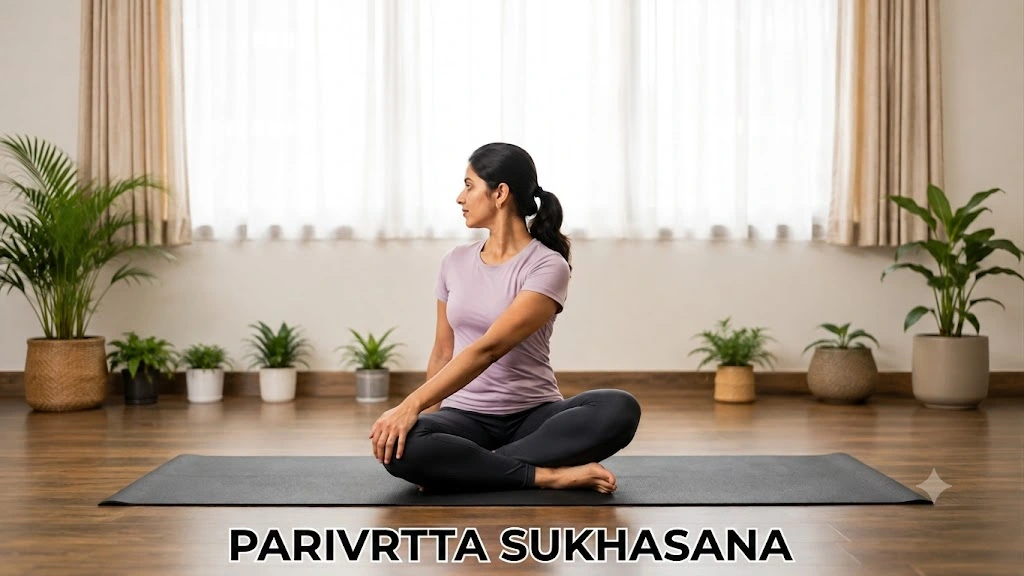
Yoga and Osteoporosis: Building Bone Strength
The practice of yoga and osteoporosis treatment together provides an ideal means of increasing bone density, enhancing balance, and preventing bone breaks without overloading the bones. As fragile and spongy bones are a symptom of osteoporosis, the dynamic bone loading process becomes essential for stimulating bone formation, but most conventional exercises become risky. Yoga is specifically designed through isometric contraction and light resistance to gravity in order to load the back, hip, and wrist bones.
Key Takeaways
- Safe Weight Bearing: Yoga provides low-impact weight-bearing resistance that strengthens bones without sharp impact forces.
- Improved Balance & Fall Prevention: Balancing poses strengthen the core and stabilize muscles, crucial for preventing life-threatening falls.
- Functional Dexterity: Enhanced flexibility and posture during daily activities reduce strain on the spine and improve quality of life.
Yoga and Osteoporosis: Supporting Bone Health
Yoga improves bone health via basic mechanical processes:
- Isometric Bone Loading: Yoga postures involve constant loading of the bones through isometric contraction of the muscles, allowing for mineral density maintenance in hip and spinal bones.
- Posture Correction: By learning to hold a spine that is straight, one can avoid the rounded-forward spine position seen in patients with osteoporosis.
- Body Balance: Training in body awareness builds strong stabilizing muscles and greatly reduces risks of falling.
Understanding Yoga and Osteoporosis
Osteoporosis is a progressive bone disease characterized by decreased bone density and structural deterioration of bone tissue. It significantly weakens bones, making them fragile and far more susceptible to sudden fractures from minor falls or impacts.
Breathing mindfully in yoga and osteoporosis management class helps manage stress and enhances oxygen flow to supporting tissues. The following table highlights six specific asanas balanced between standard mat poses and gentle chair modifications designed to build bone health safely:
|
|
|
|
|
|
|
|
|
|
|
|
|
|
|
|
|
|
|
|
|
|
|
|
|
|
|
|
|
|
|
|
|
|
|
|
|
|
|
|
|
|
|
|
|
|
|
|
|
Combining Yoga and Osteoporosis Management
Medical treatment relies on prescription medications, such as bisphosphonates or bone-building agents, to slow bone loss and stimulate density. Lifestyle management requires a diet rich in calcium and vitamin D alongside avoiding smoking and excessive alcohol consumption to support long-term bone health.
Targeted yoga poses strengthen bones by forcing them to work against gravity while improving balance to prevent falls. Modified practices, such as chair yoga variations, ensure everyone can safely strengthen their bones.
- Neutral Spine: Always work on elongating the spine upwards rather than bending it in all postures; height is more important than flexibility.
- Prop Assistance: Always use props, including yoga blocks, straps, and a steady chair, to maintain correct posture and avoid overstretching.
- Gradual Entry into Balance Postures: While performing Tadasana and Vrikshasana, keep one foot close to the wall or the rear of a chair to give balance assistance.
- Limited Forward Bend: When doing modified Uttanasana, instead of rounding your spine to touch your toes, hinge at the hips to bend halfway (with a flat spine).
- Core Engagement: Engage your core muscles in each posture.
- Breathing Technique: Practice slow, deep breathing through the nose, and do not hold your breath, since this causes increased tension within the body.
Health Risks Prevented
Performing yoga and osteoporosis management routines stimulates bone-forming cells without overstressing joints.
- Vertebral Compression Fractures: Prevents acute spinal fractures by strengthening postural muscles that support the vertebral column.
- Hip Fractures Caused by Falls: Lowers the number one cause of osteoporotic hip fractures by dramatically improving dynamic balance.
- Acute Musculoskeletal Strain: Corrects slouched posture that puts excessive, concentrated load on weakened joints and vertebrae.
- Sedentary Deconditioning: Fights the loss of muscle mass (sarcopenia) that accelerates when individuals stop exercising out of fear of injury.
Build Strength and Confidence
Combining yoga and osteoporosis management is an excellent method to stay physically independent. If you do the recommended yoga poses in a careful way, such as Tadasana, Vrikshasana, Virabhadrasana II, and its chair variation, you will be able to improve bone density in vital areas including the back and hip bones. Moreover, you will build self-assurance and mobility necessary for an active lifestyle.
Frequently Asked Questions (FAQs)
1. Is yoga safe for advanced osteoporosis patients?
Yes, but it requires that you avoid excessive stretches. Concentrate on vertical poses such as Tadasana and chair yoga, where your spine is held straight and where no twists, forward bending, or backbending are performed, as they would strain your vertebrae.
2. Does chair yoga actually build bone density?
No, it cannot increase your bone density, but it helps in maintaining existing bone density and building up muscles that support the bones. Chair yoga involves safe isometric muscle contractions and safe weight-bearing in sitting positions, which improve posture and reduce the risk of falls.
3. Where should I concentrate my efforts with yoga for osteoporosis?
It is necessary to concentrate on weight-bearing poses that work the hips, spine, and wrists, as they are the main locations for fractures because of osteoporosis. It is also important to build up the core and leg stabilizing muscles.
4. How often should I practice yoga for bone health?
For meaningful improvements in balance and bone maintenance, aim for a 15–20 minute gentle practice, 3 to 5 times per week. Consistency is more beneficial than intensity.
Disclaimer: The content on LifePositive.com, including articles/blogs on yoga, acupuncture, naturopathy, and other alternative healing modalities for holistic wellness, is for informational and educational purposes only. It is not a substitute for professional medical advice, diagnosis, or treatment. Always consult a qualified healthcare provider before starting any new health protocol or making changes to an existing treatment plan.
Also Read: Ustrasana
By Umesh Kumar Khiri

-new.png)
Discussion (0)
No comments yet. Be the first to comment!
Leave a Comment
You need to login to post a comment.