Yoga for ADHD: 6 Energizing Asanas
Yoga for ADHD provides a powerful, physically based path that leads to enhanced focus, management of sensory input, and reduction of impulsivity among children and adults. The features of ADHD include distinct executive function and sensory processing, as well as differences in dopamine regulation. Physical postures and rhythmic breathing trigger the functioning of the parasympathetic nervous system, provide the release of unnecessary physical energy, and engage the prefrontal cortex.
Key Takeaways
- Dopamine & Serotonin Boost: Physical movement stimulates neurotransmitters responsible for attention, motivation, and mood regulation.
- Sensory Grounding: Proprioceptive feedback from balancing and grounding poses helps calm a hyperactive nervous system.
- Enhanced Impulse Control: Mindful breath integration teaches emotional self-regulation and delays reactive behaviors.
Yoga for ADHD: Neurological Impact
Mindfulness techniques in yoga for ADHD empower individuals to pause before reacting to emotional triggers. Physical postures can be employed to ensure a balance between executive function and brain wave regulation:
- Vagus Nerve Stimulation: The vagus nerve is stimulated through deep breathing, decreasing the fight-or-flight reaction that is heightened in people with ADHD.
- Proprioceptive Input: Heavy physical postures like arm balances and deep lunges provide input to the joint receptors, thereby making one aware of the physical space and decreasing physical restlessness.
- Alpha Waves: Alpha waves can be enhanced by focusing on the held postures in mindfulness, allowing for maximum focus and awareness.
Yoga for ADHD - Key Asanas
The following table details six restorative and grounding asanas designed to improve attention span, calm hyperactivity, and build body awareness:
|
|
|
|
|
|
|
|
|
|
|
|
|
|
|
|
|
|
|
|
|
|
|
|
|
|
|
|
|
|
|
|
|
|
|
How to Perform Gentle Yoga for ADHD
Practising gentle yoga for ADHD offers a low-impact pathway to release physical hyperactivity without stress.
- Vrikshasana (Tree Pose): Stand up straight with your left foot firmly grounded on the floor while placing the sole of your right foot on either the inner side of your left calf or thigh (keeping it away from the knee). Place your hands on your chest while focusing your gaze on some point that does not move.
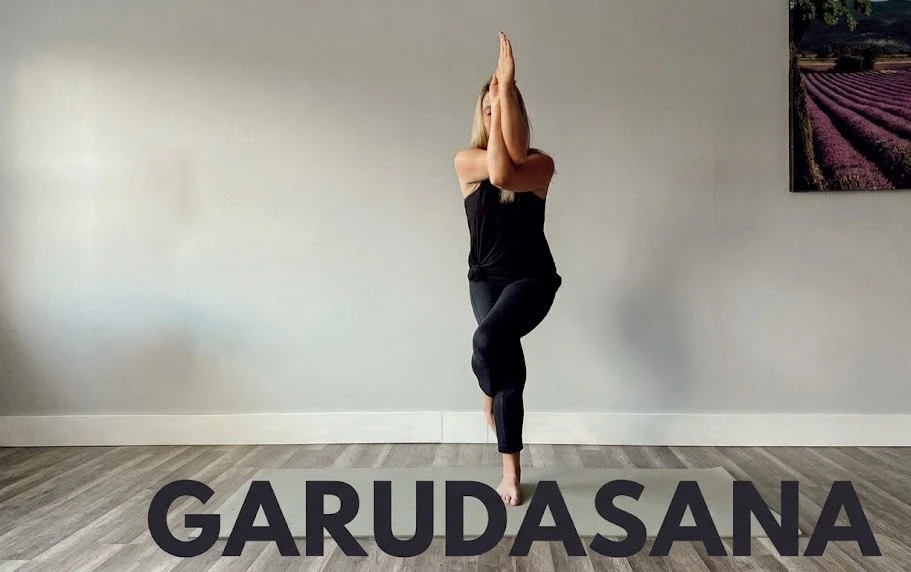
- Garudasana (Eagle Pose): Wrap your right thigh across your left, and also your right arm across your left at the elbow and wrist. Bend your knees slightly while keeping your focus fixed to balance your brain hemispheres.
- Adho Mukha Svanasana (Downward Facing Dog): Place your palms and toes on the floor while stretching your back up towards the sky to make an inverted V-shape position and ease neck tension.
- Virabhadrasana II (Warrior II Pose): Spread your feet and then bend your front knee to make it 90 degrees. Extend your hands straight out to your sides and look sharply through your middle front finger.
- Balasana (Child's Pose): Kneel down on the yoga mat and stretch your knees far apart while lowering yourself to lie between your thighs and placing your hands beside your body.
- Savasana (Corpse Pose): Lie completely flat on your back, close your eyes, let your feet drop open naturally, and focus entirely on the gentle rise and fall of your abdomen to cultivate restful stillness.
Behavioral and Health Risks Prevented
Doing gentle yoga for ADHD before bedtime eases mental restlessness and supports healthier sleep cycles.
- Sensory Overload Meltdowns: Reduces sudden emotional dysregulation by providing a constructive outlet for pent-up physical stress.
- Chronic Restlessness: Prevents persistent fidgeting and physical agitation by channeling motor energy into structured movement.
- Performance and Social Anxiety: Decreases acute cortisol spikes triggered by academic, workplace, or social demands.
- Sleep Architecture Disruption: Helps relieve chronic nighttime restlessness by shifting the autonomic system into a parasympathetic recovery state before bed.
Precautions
Integrating gentle yoga for ADHD into daily schedules helps adults and children naturally regulate scattered energy.
- Instructions Should Be Short and Visual: When instructing beginners with ADHD or kids, keep your instructions short and use visuals or story-like imagery rather than long explanations.
- Fidget Before Moving into Another Position: Don’t force perfectionism; allow the practitioner to move into another position or just shake their limbs in between.
- Modify With Help From a Wall or Chair: When balance poses prove difficult, use the help of the wall in Vrikshasana and Garudasana.
- Sensitivity to Lights and Sounds: Keep the lights dim and avoid loud music when doing Balasana and Savasana poses.
Cultivating Daily Focus and Inner Peace
Yoga for ADHD becomes a powerful instrument of self-regulation, concentration, and stability when introduced into daily or weekly practices. With the help of various postures such as Vrikshasana, Virabhadrasana II, and soothing ground positions, such as Balasana, people learn how to focus their scattered energy into calm and constructive strength.
Frequently Asked Questions (FAQs)
1. In what way can yoga be helpful for children suffering from ADHD?
Yoga helps children suffering from ADHD because it incorporates movements and breath control. It promotes dopamine release, improves spatial orientation, and gives children an organized platform where they can channel their hyperactivity while learning self-soothing techniques.
2. Can yoga replace ADHD medicines?
Not at all. Yoga is not a substitute therapy and can only supplement other methods, including comprehensive treatment programs, lifestyle changes, behavioral therapy, and medicines as directed by doctors.
3. How often should I do yoga if I have ADHD?
Brief and regular practice of gentle yoga for ADHD is far much more beneficial in developing habits than long and irregular practice.
4. My child cannot stay still in poses; what should I do then?
Allow the child to move playfully. He/she can sway like a tree in Vrikshasana and stretch in Adho Mukha Svanasana.
Disclaimer: The content on LifePositive.com, including articles/blogs on yoga, acupuncture, naturopathy, and other alternative healing modalities for holistic wellness, is for informational and educational purposes only. It is not a substitute for professional medical advice, diagnosis, or treatment. Always consult a qualified healthcare provider before starting any new health protocol or making changes to an existing treatment plan.
Also Read: Yoga for Lethargy
By Umesh Kumar Khiri


Discussion (0)
No comments yet. Be the first to comment!
Leave a Comment
You need to login to post a comment.