Yoga for Bulging Disc: Safe Asanas
Yoga for bulging disc recovery offers a natural and gentle way to alleviate spinal nerve compression, build strength in the core muscles that support the spine, and promote hydration in the discs. A bulging disc is characterized by the pushing of the inner part of the disc on the outer fibrous tissue, which results in compression of the spinal nerves, causing severe lower back pain, sciatica, or numbness. The gentle approach to the practice involves focusing on extension of the lower spine and spinal elongation without flexion.
Key Takeaways
- Decompression via Extension: Gentle back-bending postures encourage the bulging intervertebral disc gel to shift away from sensitive spinal nerve roots.
- Core & Pelvic Stabilization: Strengthening deep abdominal and paraspinal muscles creates a natural muscular corset that stabilizes the lumbar spine.
- Sciatica Nerve Relief: Guided lengthening of the hamstrings and hip flexors reduces mechanical tension pulling on the lower back.
Biomechanics of Spinal Decompression: Yoga for Bulging Disc
Specific yoga exercises aid in the healing process of the intervertebral discs due to basic biomechanical principles:
- Posterior to Anterior Disc Dislocation: Minor extension positions create negative pressure in the anterior intervertebral joint, allowing the displaced nucleus pulposus to return to its proper location.
- Nutrition: Controlled and non-weight-bearing exercise sequences allow for the transfer of fluids through spinal joints, thus nourishing the disc, which lacks blood supply.
- Lower Back Muscles Paraspinal Spasms Reduction: Controlled and prolonged holding of specific positions tells hyper-irritable muscles of the lower back to relax.
Yoga for Bulging Disc Relief
The following table details six therapeutic, spine-safe asanas designed to reduce nerve compression, build core stability, and foster lower back recovery:
|
|
|
|
|
|
|
|
|
|
|
|
|
|
|
|
|
|
|
|
|
|
|
|
|
|
|
|
|
|
|
|
|
|
|
How to Perform Gentle Yoga for Bulging Disc - Key Steps
Practising gentle yoga for bulging disc recovery helps relieve acute pressure on compressed spinal nerves.
- Bhujangasana (Baby Cobra Pose): Start by lying on the floor facing down. The palms must be placed under the shoulders. Raise the top part of the body using your upper back muscles rather than pressing with your hands.
- Salabhasana (Locust Pose): The pose is performed when lying down face-down. While breathing out, raise your head, chest, legs, and arms a few inches off the floor.
- Marjaryasana-Bitilasana (Modified Cat-Cow Pose): This is a modified pose and involves performing the Cow pose after the Cat pose. It starts from a position on all fours. Inhale deeply as you perform the Cow pose, where you drop the belly in a mild manner and raise the chest.
- Setu Bandhasana (Bridge Pose): Begin by lying on your back. Bend the knees and place your feet on the floor hip-width apart. Pressing the heels on the floor, raise your hips such that your legs, hips, and shoulders lie straight in a line.
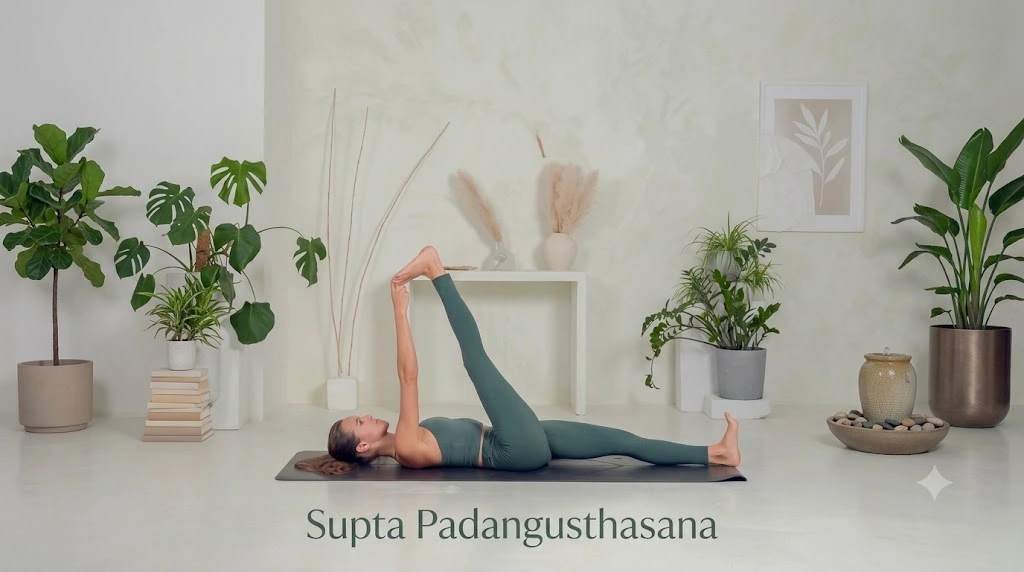
- Supta Padangusthasana (Reclining Hand-to-Big-Toe Pose): Lie flat on your back, loop a yoga strap around the ball of your right foot, and extend the leg straight up toward the ceiling while keeping your lower back flat and supported on the floor.
- Balasana (Extended Child's Pose): Kneel with knees wide, sit back toward your heels, and reach your arms straight forward along the mat while resting your forehead on a block or the floor to lengthen the spine.
Spinal Complications Prevented by Proper Practice
Daily sessions of yoga for bulging disc therapy restore gentle mobility and nourish spinal cartilage.
- Acute Nerve Root Impingement: Prevents worsening of severe sciatic pain and radiating numbness caused by improper spinal bending.
- Chronic Lumbar Instability: Rebuilds deep spinal stabilizer strength to prevent recurring back sprains and secondary disc bulges.
- Compensatory Muscle Tightness: Relieves tightness in hip flexors, piriformis muscles, and hamstrings that strain the pelvic alignment.
- Surgical Interventions: Regular gentle rehabilitation helps manage symptoms naturally, often reducing the need for invasive spinal procedures.
Precautions
Safe gentle yoga for bulging disc sequences avoid deep forward bends to protect the lower lumbar vertebrae.
- Never Engage in Deep Forward Flexes: Exercises such as Paschimottanasana (Seated Forward Bend), deep forward flexes, or toe touches from standing positions must be strictly avoided since bending causes the disc material to protrude towards the spinal cord.
- Avoid Total Spinal Rotation: Spinal rotation with load may result in tearing of the outer layer of the disc annulus; thus, avoid twisting exercises or perform light ones without loading.
- Stop Immediately if Pain Peripheralizes: In case the pain shifts to the other parts of the leg or foot while exercising, cease exercising immediately; pain should be centralized.
- Seek Medical Advice Before Exercising: Never begin any workout regimen without seeking advice from a professional such as an orthopedic specialist or physical therapist.
Rebuild a Resilient, Pain-Free Spine
By incorporating yoga as part of bulging disc treatment into your day-to-day activities, you can use a safe and therapeutic way to restore back flexibility and decrease pain. Yoga positions such as Bhujangasana, which involves extensions, and Setu Bandhasana, which involves stabilization, will provide the ideal setting for healing discs through gentle movements and maintaining good posture.
Frequently Asked Questions (FAQs)
1. Does yoga cure a bulging disc completely?
While yoga cannot repair a damaged disc immediately, it provides the perfect mechanical environment for re-absorption and healing. With the enhancement of core stability and removal of nerve compression, the symptoms of pain subside.
2. Is Cobra Pose okay with a lower back bulging disc?
Yes, with modifications, the pose is very good since gentle extension moves the disc gel forward and takes the pressure off the posterior spinal nerves. You should always lift yourself using the strength of your upper back rather than trying to deepen the pose by pushing down with your arms.
3. Are there any yoga poses that I should avoid if I have a herniated or bulging disc?
Absolutely, gentle yoga for bulging disc (for example, Paschimottanasana, Uttanasana, or Plow Pose) and fast twisting poses should be avoided, as both increase the load on the lumbar spine.
4. How much time will it take me to feel better practicing yoga with a bulging disc?
Many people feel a decrease in nerve pain and muscle tension in 2-4 weeks after performing gentle yoga for bulging disc for 10-15 min every day. But acute attacks require you to rest first.
Disclaimer: The content on LifePositive.com, including articles/blogs on yoga, acupuncture, naturopathy, and other alternative healing modalities for holistic wellness, is for informational and educational purposes only. It is not a substitute for professional medical advice, diagnosis, or treatment. Always consult a qualified healthcare provider before starting any new health protocol or making changes to an existing treatment plan.
Also Read: Yoga for acid reflux
By Umesh Kumar Khiri


Discussion (0)
No comments yet. Be the first to comment!
Leave a Comment
You need to login to post a comment.