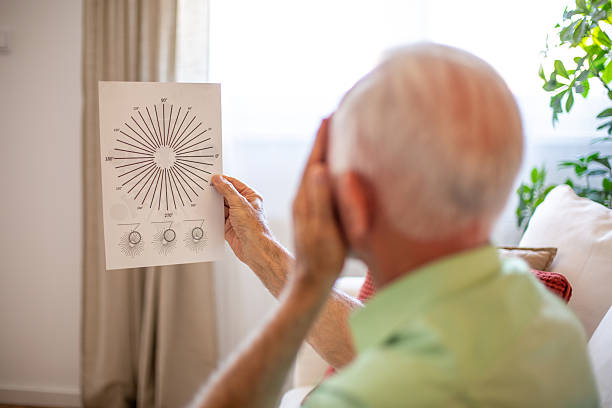
Stages of Dementia That Alter Progression 7 Insights into Understanding the Levels of Dementia
Dementia, a complex syndrome characterized by the decline of cognitive function, affects millions worldwide. The progression of dementia is not linear and varies significantly among individuals, making its management challenging. Healthcare professionals and researchers in the field of Health & Wellness and Medical Research strive to understand these stages to improve patient care and outcomes. This article delves into the different stages of dementia, offering insights into its progression and management strategies.
Understanding Early Signs of Dementia
Identifying early signs of dementia is crucial for timely intervention and management. These initial symptoms often include subtle memory lapses, difficulties in planning and organizing, and changes in personality or behavior. Utilizing clinical tools such as Biomarker Validation can aid in early detection by identifying biological indicators associated with the onset of dementia. Early diagnosis allows for the implementation of Evidence-Based Medicine (EBM) practices, which can slow the disease's progression and enhance the quality of life for patients. Understanding the Levels of Dementia is fundamental to this process.
Pioneering research in Comparative Effectiveness Research has shown that early intervention can lead to significant benefits. A study published in 2022 demonstrated that patients who received early cognitive training and therapy showed a 20% improvement in daily functioning compared to those who did not. This underscores the importance of recognizing and addressing early-stage symptoms.
Exploring Middle Stage Symptoms
The middle stage of dementia is marked by increased memory loss, confusion, and difficulty with language and physical coordination. During this phase, the role of a Data Monitoring Committee (DMC) becomes vital in overseeing the safety and efficacy of ongoing clinical trials assessing new interventions for symptom management.
Additionally, Adverse Event Reporting is essential to ensure patient safety during treatment trials.
Understanding the Levels of Dementia can guide caregivers and healthcare providers in tailoring support and interventions. For instance, structured programs that incorporate Patient-Reported Outcomes (PRO) have proven effective in addressing the unique needs of individuals at this stage. A recent study highlights that 68% of participants reported improved emotional well-being after engaging in personalized therapeutic activities.
For more in-depth information on the clinical stages of Alzheimer's disease, visit Understanding the Levels of Dementia. Additionally, a recent article by the National Institute on Aging provides further insights into middle-stage symptoms and management.
Recognizing Advanced Dementia Challenges
Advanced dementia presents profound challenges, including severe memory loss, limited verbal communication, and complete dependence on others for care. Research methodologies like Systematic Review Methodology are employed to synthesize data from various studies, providing a comprehensive understanding of effective interventions for advanced-stage dementia.
Advanced stages require adherence to Good Clinical Practice (GCP) guidelines, ensuring that treatment protocols are ethically and scientifically sound. Pharmacovigilance becomes paramount to monitor the effects of medications and manage potential side effects. Moreover, Biostatistics Software is instrumental in analyzing patient data to optimize treatment plans.
A 2023 study in the Journal of Alzheimer's Disease emphasizes the value of family-centered care approaches, demonstrating improved patient satisfaction and reduced caregiver stress when implemented effectively.
Managing Dementia Progression Effectively
Effective management of dementia progression involves a multidisciplinary approach, incorporating pharmacological and non-pharmacological interventions. Health Technology Assessment (HTA) plays a critical role in evaluating the cost-effectiveness of new treatments and technologies, ensuring that patients receive value-based care.
The implementation of a Randomized Controlled Trial (RCT) can offer robust evidence on the efficacy of interventions aimed at slowing disease progression. Furthermore, the Institutional Review Board (IRB) ensures that these trials meet ethical standards and protect participants' rights.
Regular assessment and adjustment of care plans, guided by Patient-Reported Outcomes, can lead to personalized and effective management strategies. Engaging in continuous education and staying updated with the latest Clinical Trial Protocol advancements is essential for healthcare providers dedicated to enhancing dementia care.
Conclusion
Understanding the stages of dementia is pivotal in developing effective management strategies and improving patient outcomes. By leveraging advanced research tools and methodologies, healthcare professionals can better navigate the complexities of dementia care. Continued investment in research and innovation will undoubtedly lead to enhanced treatment options, offering hope to patients and their families affected by this challenging condition.



Discussion (0)
No comments yet. Be the first to comment!
Leave a Comment
You need to login to post a comment.