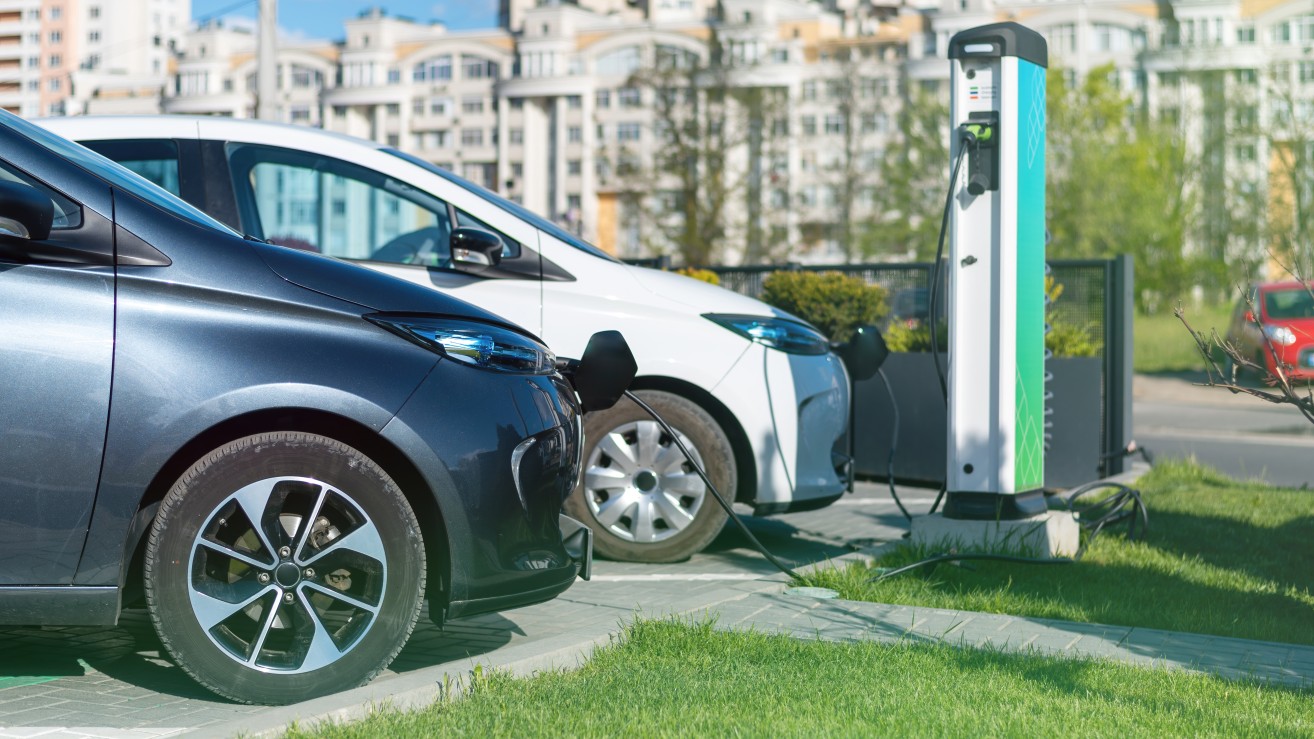
Norway shifts to electric cars
Being conscious of the environment, Norway shifts almost completely to electric cars with ninety five persons of its vehicles being electric.
Electric cars are significantly better for the environment than gas-powered cars, but where and how they are better depends on the electricity grid and battery production.
Here is a clear breakdown of the real environmental benefits:
1. Zero Tailpipe Emissions (The Obvious Benefit)
Local Air Quality: EVs produce no carbon dioxide, nitrogen oxides (NOx), or particulate matter (soot) while driving. This drastically improves air quality in dense cities, reducing asthma and cardiovascular disease rates in urban populations.
No Oil Spills: They eliminate the risk of daily oil and fuel leaks that wash off roads into storm drains and contaminate waterways.
2. Lower Lifecycle Greenhouse Gases (Even with Manufacturing)
A common myth is that EVs are just as bad as gas cars because of battery production. The data says otherwise:
The "Payback" Period: Manufacturing an EV produces about 30% to 40% more CO? than manufacturing a gas car (due to the battery). However, within 1 to 2 years of average driving, the EV "pays back" that carbon debt.
Over 200,000 miles: According to the International Council on Clean Transportation (ICCT), a midsize EV driven in the U.S. produces 60% to 70% fewer total greenhouse gas emissions over its lifetime than a comparable gas car. In Europe (with a cleaner grid), that number jumps to over 80%.
3. The "Cleaner Grid" Effect (Getting Better Over Time)
Unlike a gas car, which gets dirtier as its engine ages, an EV gets cleaner as it ages.
As national power grids phase out coal and add more solar, wind, and nuclear power, every mile you drive in an existing EV becomes automatically cleaner. A gas car is locked into its emission rate for its entire 15-year life.
4. Regenerative Braking (Waste Reduction)
Internal combustion engines waste about 70% of their energy as heat. EVs are highly efficient (about 77% to 85% of grid energy goes to moving the wheels). Regenerative braking captures kinetic energy when slowing down and puts it back into the battery, further reducing the total energy (and thus grid emissions) required per mile.
5. Reduced Noise Pollution
While often overlooked, noise is an environmental pollutant. EVs are virtually silent at low speeds, reducing stress on wildlife in natural areas and improving the quality of life in urban corridors.
However, to be fully objective, you have to weigh this against two major environmental costs:
Mining for Lithium and Cobalt: The extraction of battery minerals can cause water depletion, soil contamination, and habitat destruction in places like South America's salt flats and the DRC. (This is why recycling and LFP batteries—which use no cobalt—are becoming critical).
Tire Wear: EVs are heavier than gas cars due to batteries. This increases tire particulate matter (microplastics) released onto roads.
Even factoring in mining, manufacturing, and the current U.S. grid mix, an EV is responsible for roughly half the lifetime carbon footprint of a gasoline sedan.
The environmental benefit isn't just about buying an EV; it's about keeping it for a long time (to offset the manufacturing cost) and charging it during off-peak hours when the grid is using its cleanest energy mix.
This keeps us healthy too so we all should take a cue from Norway for thw planet and our own selves. Lets hope this happens soon.
By Jamuna Rangachari



Discussion (0)
No comments yet. Be the first to comment!
Leave a Comment
You need to login to post a comment.