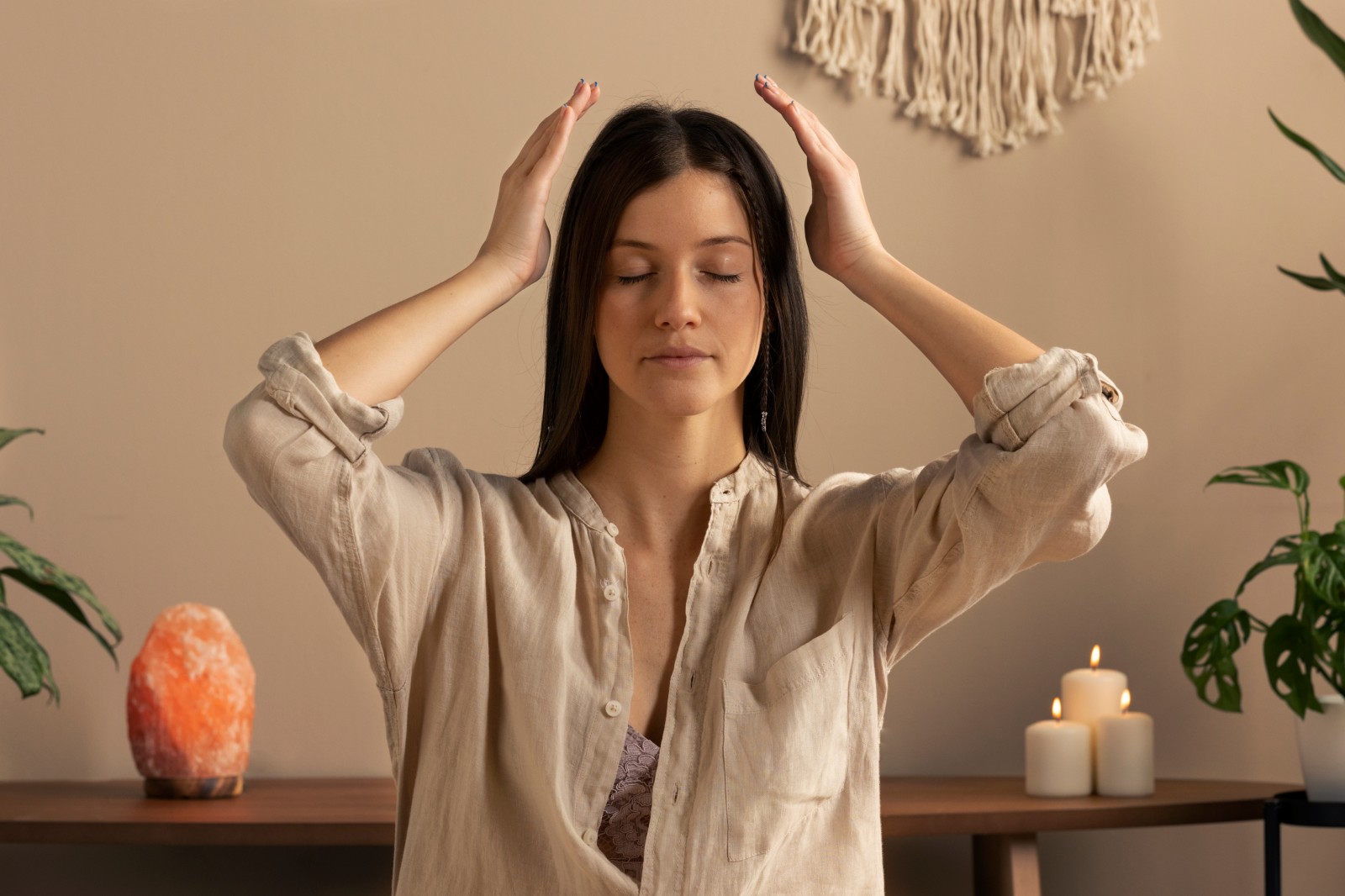
Reducing Stress Through Pranic Healing: Methodology, Process & Lifestyle
Introduction
Stress has become a familiar part of modern life. Work pressures, family responsibilities, financial concerns, digital distractions, relationship challenges and an increasingly fast pace of living can leave people feeling mentally and emotionally overwhelmed. While some stress is a natural response to challenges, prolonged stress can affect relaxation, sleep, concentration, mood and overall quality of life.
Many people therefore explore complementary wellness approaches that encourage relaxation, self-awareness and a greater sense of balance. Pranic Healing is one such energy-based complementary practice. It is based on the traditional concept that the body is surrounded and supported by an energy field, sometimes referred to as the aura, and that life energy, or prana, can be worked with to encourage energetic balance.
Practitioners generally use techniques such as energy scanning, cleansing, energizing and meditation during a session. These practices are intended to support relaxation and well-being rather than replace medical or mental-health care.
Pranic Healing can be viewed as one element of a broader stress-management lifestyle. When combined with healthy habits such as adequate sleep, regular physical activity, balanced nutrition, mindfulness, breathing exercises and meaningful social connection, it may become part of a person's personal approach to relaxation and self-care.
Reducing Stress Through Pranic Healing
The central idea behind using Pranic Healing for stress management is to create a quiet space in which an individual can pause, relax and become more aware of their physical, emotional and mental state.
A typical session may involve the practitioner creating a calm environment, discussing the person's concerns, using hands-off energy techniques and encouraging relaxation. Some people find the process soothing because it gives them dedicated time away from everyday responsibilities.
The experience can also encourage people to pay attention to patterns in their lives. For example, someone may notice that stressful workdays are accompanied by poor sleep, shallow breathing, irritability or difficulty switching off mentally.
Pranic Healing should not be considered a substitute for evidence-based treatment for anxiety disorders, depression, trauma or other health conditions. Its potential role is complementary: it can be incorporated into a broader wellness routine focused on relaxation, reflection and healthy living.
Understanding Stress and Energy-Based Wellness
Physical and Emotional Effects of Stress
Stress activates the body's natural response to perceived challenges. In the short term, this response can help a person remain alert and respond to demanding situations. However, when stress becomes persistent, people may experience tiredness, muscle tension, headaches, difficulty concentrating, irritability or disrupted sleep.
Emotional effects can include feeling overwhelmed, restless, frustrated or unable to relax. Individuals respond differently, and the same stressful situation may affect two people in completely different ways.
Recognizing these signs is important because stress management is more effective when people notice difficulties early rather than waiting until they feel completely exhausted.
Stress, Relaxation and Mind-Body Awareness
Relaxation is not simply the absence of activity. It involves giving the body and mind opportunities to move away from constant stimulation.
Mind-body awareness can help people recognize what is happening internally. Paying attention to breathing, muscle tension, thoughts and emotions can reveal how daily experiences influence the body.
A quiet complementary practice such as Pranic Healing may provide an opportunity for this type of awareness. Sitting quietly, slowing down and focusing attention can itself become a meaningful break from a busy routine.
The Pranic Healing Approach to Energy
Pranic Healing is based on an energy-based framework in which prana, or life energy, is considered important to well-being. Practitioners work with the energy field around the body using techniques that generally do not involve physical touch.
The practice commonly emphasizes cleansing unwanted or congested energy, energizing areas considered depleted and balancing the energy field.
These concepts belong to the traditional framework of energy healing and should not be confused with established medical explanations of how the human body functions. For people who choose to explore Pranic Healing, it is best approached as a complementary wellness practice.
Pranic Healing Methodology
Energy Scanning and Assessment
A Pranic Healing session may begin with what practitioners describe as energy scanning. The practitioner observes or assesses the energy field according to the system's traditional methods.
The purpose is generally to identify areas that the practitioner believes may require cleansing or balancing.
It is important to distinguish this process from medical diagnosis. Energy scanning does not replace a clinical examination, laboratory investigation or assessment by a qualified healthcare professional.
Cleansing and Energy Balancing
Cleansing is a central concept in Pranic Healing. Practitioners use specific hand movements and techniques, usually without touching the individual, to remove what the practice describes as unwanted or congested energy.
The intention is to create a sense of energetic lightness and balance.
For someone experiencing everyday stress, the ritual of sitting quietly while receiving attention may also provide psychological space to slow down. The relaxation experience can be valuable even when viewed independently of the underlying energy framework.
Energizing and Strengthening the Energy Field
Following cleansing, practitioners may use techniques intended to energize areas of the energy field.
Within Pranic Healing, this is understood as supplying fresh prana to areas that may be considered depleted. The practitioner may use specific hand movements while maintaining a short distance from the body.
Again, these techniques should be understood within the traditional framework of Pranic Healing rather than presented as a scientifically established method for treating disease.
Stabilizing and Releasing the Session
The final part of a session generally focuses on stabilizing the energetic work and bringing the individual back into ordinary awareness.
The practitioner may encourage the person to sit quietly for a few moments, drink water or reflect on their experience.
Ending a session gradually can help make the transition from a quiet environment back into everyday activity more comfortable.
The Pranic Healing Process
Initial Consultation and Intention Setting
A session may begin with a conversation about the person's current concerns and what they hope to gain from the experience.
For stress management, the intention might be as simple as creating time to relax, becoming more aware of emotional patterns or developing a regular self-care practice.
Clear expectations are important. A practitioner should not promise a cure or guarantee a particular health outcome.
Identifying Stress-Related Patterns
Stress is often connected with everyday routines. Someone might regularly stay awake late responding to messages, skip meals during busy workdays or spend hours continuously switching between digital tasks.
A wellness session can encourage reflection on these patterns.
The objective is not to blame the individual but to identify areas where small changes could make daily life more manageable.
Guided Energy Healing Session
During the main session, the practitioner generally guides the individual through a series of energy-based techniques.
The recipient usually remains seated or in a comfortable position while the practitioner performs hands-off techniques. Depending on the practitioner and session format, meditation or relaxation techniques may also be incorporated.
The experience can vary considerably from person to person. Some people may feel deeply relaxed, while others may simply appreciate having uninterrupted quiet time.
Post-Session Relaxation and Reflection
After a session, taking a few quiet minutes can help the individual reflect on the experience.
Rather than immediately returning to emails, social media or demanding tasks, it may be useful to sit quietly, take gentle breaths and notice how the body and mind feel.
Keeping a simple journal can also help identify recurring patterns.
Follow-Up and Ongoing Wellness Practice
Stress management works best when it becomes part of everyday life rather than depending on occasional sessions.
Follow-up Pranic Healing sessions, if someone chooses to continue them, can be combined with meditation, exercise, sleep routines and other healthy practices.
There is no universal schedule that applies to everyone. Frequency can depend on personal preference, practical considerations and the individual's broader wellness routine.
Potential Wellness Benefits
Relaxation and Stress Management
One of the most commonly sought benefits of energy-based wellness practices is relaxation.
Setting aside dedicated time for a quiet session may help a person temporarily step away from work, technology and other sources of stimulation.
This does not mean Pranic Healing should be presented as a medically proven treatment for chronic stress. Rather, it may serve as one complementary tool within a larger relaxation strategy.
Emotional Awareness and Calm
Stress can sometimes make emotions difficult to recognize. People may become so focused on completing tasks that they overlook frustration, sadness, worry or exhaustion.
A reflective wellness practice can create an opportunity to notice these feelings.
Greater awareness may help individuals identify when they need rest, boundaries, conversation or professional support.
Mind-Body Connection
Pranic Healing places considerable emphasis on the relationship between energy, emotions and awareness.
Even for individuals who interpret energy concepts symbolically rather than literally, the practice may encourage attention to bodily sensations, breathing and emotional states.
Developing this awareness can support a more mindful approach to everyday life.
Self-Care and Overall Well-Being
Self-care is most useful when it is consistent and realistic.
A Pranic Healing session can become one component of a broader self-care routine that includes adequate rest, nourishing food, physical activity, relationships, hobbies and time away from screens.
The goal is not to search for a single solution to stress but to build a lifestyle that provides multiple sources of support.
Lifestyle Practices That Complement Pranic Healing
Mindfulness and Meditation
Mindfulness involves paying attention to the present moment with an attitude of openness rather than immediately reacting to every thought or feeling.
Meditation can be practiced for a few minutes at a time. Simple practices may involve focusing on breathing, observing thoughts or repeating a calming phrase.
Meditation can complement Pranic Healing by providing a regular method of developing stillness and awareness.
Breathwork and Relaxation
Breathing patterns often change during stressful situations. People may unconsciously breathe more quickly or hold their breath.
Gentle, comfortable breathing exercises can help create a sense of calm.
There is no need to force deep breaths. Slow, natural breathing combined with relaxed shoulders and a comfortable posture can become part of a simple daily relaxation routine.
Regular Movement and Exercise
Physical activity is an important part of stress management.
Walking, yoga, swimming, cycling, dancing, strength training or other enjoyable activities can help people remain physically active while also providing a mental break.
The best form of movement is one that can be performed safely and consistently.
Balanced Nutrition and Hydration
Food and hydration influence everyday energy and well-being. A varied diet containing vegetables, fruits, whole grains, legumes, protein sources and healthy fats can support general health.
Regular hydration is equally important.
Instead of viewing nutrition as a short-term stress solution, it is better to develop sustainable eating habits that support overall health.
Restorative Sleep and Recovery
Sleep provides an essential opportunity for recovery.
A consistent bedtime, a comfortable sleeping environment, reduced evening screen exposure and a calming nighttime routine may support better sleep habits.
If persistent sleep problems continue, professional medical advice may be appropriate.
Building a Stress-Management Lifestyle
Creating Calm Morning and Evening Routines
The beginning and end of the day can strongly influence how people experience stress.
A calm morning might include gentle stretching, meditation, journaling or a few quiet minutes before checking messages.
An evening routine could involve reducing screen time, preparing for the following day, reading or practicing relaxation.
Consistency is generally more useful than creating an elaborate routine that becomes difficult to maintain.
Managing Work and Digital Stress
Constant notifications can keep the mind in a state of continuous alertness.
Simple strategies include turning off unnecessary notifications, creating focused work periods, taking short breaks and establishing boundaries around work communication.
A technology-free period before sleep can also create psychological space for relaxation.
Healthy Emotional Boundaries
Healthy boundaries help individuals recognize what they can reasonably take responsibility for.
Learning to say no, asking for help and avoiding the expectation of being available at every moment can reduce unnecessary pressure.
Emotional boundaries are not about becoming disconnected from others. They are about maintaining healthy relationships while respecting personal limits.
Consistent Self-Care Practices
Self-care becomes more meaningful when it is regular.
This might include walking, reading, gardening, listening to music, spending time with supportive people, practicing meditation or attending a complementary wellness session.
The objective is to create a sustainable rhythm rather than depend on occasional periods of recovery after extreme stress.
Making Pranic Healing Part of Your Wellness Journey
Setting Realistic Wellness Goals
Wellness goals should be specific and achievable.
Instead of expecting a single Pranic Healing session to eliminate all stress, an individual might aim to create a regular relaxation routine, improve sleep habits or spend ten minutes each day practicing mindfulness.
Small improvements can become sustainable habits over time.
Combining Energy Work With Healthy Habits
Pranic Healing is most appropriately considered alongside—not instead of—healthy lifestyle practices.
Someone may choose to combine energy sessions with walking, yoga, meditation, nutritious meals, adequate sleep and meaningful social connection.
This broader approach recognizes that well-being has many dimensions.
Tracking Stress Patterns and Personal Progress
Keeping a simple stress journal can make patterns easier to recognize.
An individual could record sleep quality, major stressors, physical tension, mood, exercise and relaxation activities.
Over several weeks, these observations may help reveal which lifestyle changes appear useful.
The purpose is self-awareness rather than creating pressure to achieve perfect results.
Choosing a Pranic Healing Practitioner
Practitioner Training and Experience
Anyone considering Pranic Healing may wish to ask about a practitioner's training, experience and approach.
A responsible practitioner should be willing to explain what a session involves and what can reasonably be expected.
Individuals should be cautious about anyone making dramatic promises or claiming to cure serious diseases through energy healing alone.
Personalized Wellness Guidance
Stress affects people differently. A good practitioner should listen rather than apply identical advice to everyone.
Personalized guidance may involve discussing relaxation preferences, session expectations and practical ways of incorporating wellness practices into everyday life.
However, practitioners should remain within their appropriate scope and avoid presenting themselves as medical professionals unless they hold the relevant qualifications.
Ethical Practice and Clear Expectations
Ethical practice includes informed consent, respect for personal boundaries and transparent communication.
Clients should feel comfortable asking questions or ending a session.
Financial arrangements, session duration and the nature of the techniques should also be explained clearly before beginning.
Safety and Practical Considerations
Understanding the Complementary Nature of Energy Healing
Pranic Healing should be understood as a complementary wellness practice rather than a replacement for healthcare.
It may be used by individuals who enjoy meditation, relaxation and energy-based practices, but it should not discourage someone from seeking appropriate medical or psychological care.
Avoiding Claims of Medical Treatment or Cure
Responsible communication is especially important when discussing stress.
Pranic Healing should not be advertised as a guaranteed cure for anxiety, depression, hypertension, insomnia or other medical conditions.
Claims of dramatic healing can create unrealistic expectations and may be harmful if they cause someone to delay appropriate care.
When Professional Medical or Mental Health Support Is Needed
Professional support is important when stress becomes severe, persistent or difficult to manage.
Someone experiencing ongoing anxiety, depression, panic symptoms, major sleep disruption, inability to function normally or thoughts of self-harm should seek appropriate professional help.
Complementary practices can coexist with professional healthcare, but they should never replace necessary diagnosis or treatment.
Frequently Asked Questions
Pranic Healing and Everyday Stress
Can Pranic Healing help with everyday stress?
Some people use Pranic Healing as a complementary relaxation and self-care practice. The quiet environment, focused attention and energy-based techniques may feel calming. However, individual experiences vary, and Pranic Healing should not be presented as a proven medical treatment for stress-related disorders.
Frequency of Pranic Healing Sessions
How often should someone receive Pranic Healing?
There is no universally appropriate frequency. Some people may explore occasional sessions, while others may incorporate them into a regular wellness routine.
The most important consideration is whether the practice fits comfortably into an individual's lifestyle, expectations and budget.
Lifestyle Habits That Support Stress Management
What lifestyle habits work well alongside Pranic Healing?
Useful foundations include regular movement, adequate sleep, balanced nutrition, hydration, mindfulness, breathing exercises, meaningful relationships and reasonable work-life boundaries.
These habits address different aspects of everyday well-being and can complement a relaxation-focused practice.
Pranic Healing and Other Wellness Practices
Can Pranic Healing be combined with meditation or yoga?
Yes. Many people incorporate different complementary practices into their wellness routines.
Meditation, yoga, walking, breathing exercises and journaling can all provide opportunities to slow down and develop greater awareness.
The key is to choose practices that are safe, enjoyable and sustainable.
Beginning a Calmer Wellness Journey With Pranic Healing
Stress management is not about eliminating every difficult experience from life. Challenges, uncertainty and demanding periods are unavoidable. The goal is to develop healthier ways of responding to them and to create enough opportunities for recovery.
Pranic Healing offers an energy-based approach that some individuals may find relaxing and reflective. Through techniques such as energy scanning, cleansing, energizing and stabilization, practitioners seek to create a balanced and peaceful experience.
We wish you stress free life through pranic healing.
By Jamuna Rangachari
Discussion (0)
No comments yet. Be the first to comment!
Leave a Comment
You need to login to post a comment.