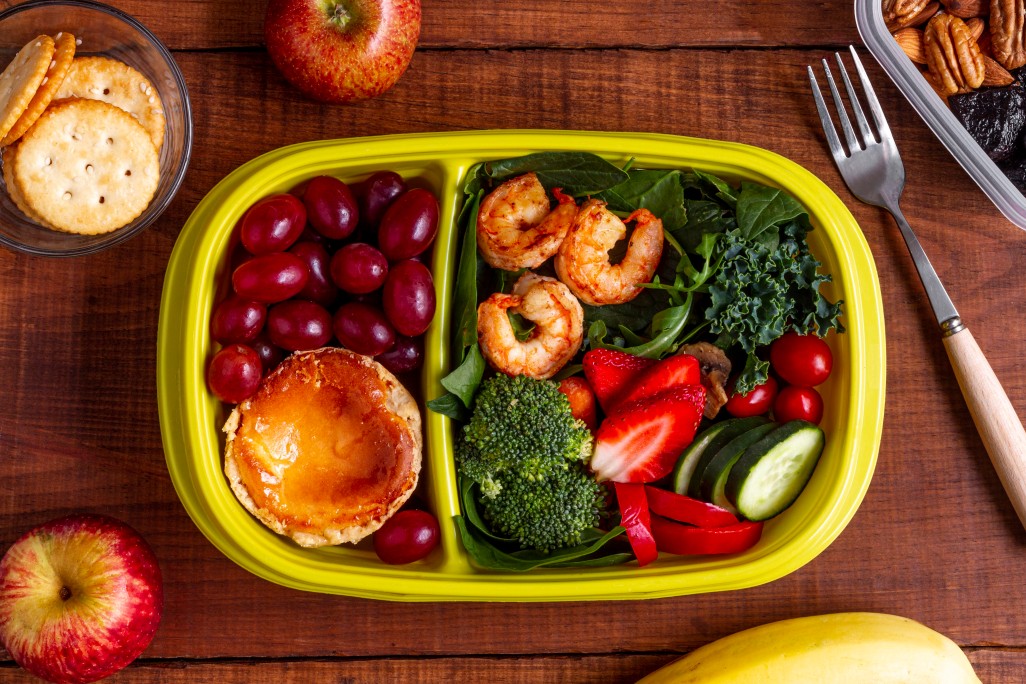
UK wins over children with healthy school lunches
UK wins over children with healthy school lunches
Promoting healthier lunches for children is one of the most impactful things we can do for their physical growth, cognitive development, and lifelong eating habits.
The goal isn't perfection—it is progress. Here is a comprehensive, practical guide to making school lunches healthier, more appealing, and easier to pack.
1. The "Deconstructed" Strategy (The #1 Hack)
Kids often reject lunches because ingredients get soggy or mixed together. Pack deconstructed meals (think "snack plates") so the child has control over what goes in their mouth.
Instead of: A premade deli sandwich.
Try: Rolled-up turkey slices, cheese cubes, crackers, and a small container of mustard or hummus for dipping. They assemble it themselves.
2. The Power of the "Three C's"
When building the lunchbox, include these three elements to ensure balanced nutrition:
Color: Fruits and vegetables of different colors (berries, carrot sticks, cucumber slices, apple wedges).
Crunch: Kids eat with their senses. Add a crunchy element like bell peppers, popcorn, or nuts/seeds (if allowed) to make the meal satisfying.
Completeness: Pair a protein with a complex carb to sustain energy until the end of the school day (e.g., cheese + whole-grain pita).
3. Sneaky (and Not-So-Sneaky) Veggie Upgrades
The "Dipping" Rule: Most kids will eat raw veggies if they have a tasty dip. Pack small containers of ranch, tzatziki, guacamole, or hummus.
Grate them: Finely grate zucchini or carrots into pasta sauce, meatballs, or tuna salad. They disappear into the texture.
Blend into smoothies: A thermos of green smoothie (banana, spinach, mango, and yogurt) is essentially a dessert-tasting salad.
4. Rethink the "Main Event"
Move away from the standard sandwich rotation. Try these nutrient-dense alternatives:
Leftover Pasta Salad: Whole-grain rotini tossed with pesto, cherry tomatoes, mozzarella balls, and chickpeas. Served cold, it tastes better the next day.
"Sushi" Rolls: Spread cream cheese and smoked salmon on a whole-grain tortilla, roll tightly, and slice into pinwheels.
Thermos Hot Meals: Warm up leftover chili, lentil soup, or stir-fry. A hot meal is a novelty at lunch and often gets eaten faster.
Hard-Boiled Eggs: Peel them and pack them whole with a sprinkle of salt and pepper.
5. The "Carb Swap" (High Impact, Low Effort)
This single change makes the biggest nutritional difference:
Standard Lunch
Healthier Swap
Why
White bread / Wraps
100% Whole-grain bread, corn tortillas, or rice cakes
Adds 3g of fiber, preventing the 2 PM sugar crash.
Potato Chips
Roasted chickpeas, edamame, or popcorn
Higher protein, lower saturated fat.
Fruit Juice / Fruit Snacks
Whole fruit (grapes, berries, orange slices)
Keeps the sugar bound to fiber, stabilizing blood sugar.
Yogurt tubes (high sugar)
Plain Greek yogurt with a drizzle of honey
Double the protein, half the sugar.
6. Master the "Fruit Challenge"
Fruit is nature's candy, but it bruises and goes brown.
Prevent browning: Toss apple or pear slices in a tiny bit of pineapple juice or lemon water.
Make it fun: Use small cookie cutters to cut watermelon, cantaloupe, or cheese into star or heart shapes.
Frozen fruit: Toss a handful of frozen blueberries into the lunchbox; they thaw by lunchtime and act as an edible ice pack.
7. Address the Biggest Obstacle: Time
The healthiest lunch is useless if it takes an hour to pack.
The Sunday Prep: Wash and cut all veggies for the week on Sunday. Store them in jars of water in the fridge—they stay crunchy for 5 days.
Assembly Line: Pack lunch the night before during dinner cleanup. Leftovers go straight into the lunch container.
Bento Boxes: Invest in a bento-style box with divided sections. It eliminates the need for plastic baggies and forces you to fill each section with a different food group.
8. The "Familiar + New" Rule
Never send a lunch with all new foods. The child will likely trade it or throw it away.
The Formula: Pack 1 familiar favorite (e.g., crackers) + 1 protein they like (e.g., cheese) + 1 new or less-liked item (e.g., snap peas). The familiar items give them the comfort to take one bite of the new thing.
9. Hydration Matters
Sugar-free hydration is key.
Freeze a water bottle overnight; it acts as an ice pack and melts by lunchtime for ice-cold water.
Infuse water with cucumber slices or strawberry bits for natural flavor.
Avoid: Sports drinks, fruit punch, and soda. If they want flavor, pack unsweetened iced tea or water with a squeeze of Mio (no sugar).
The Golden Rule of Packing: Involve your child in the process. On Sunday, let them choose 1 fruit, 1 veggie, and 1 protein from a "menu" you create. When they have ownership over the lunch, they are 80% more likely to actually eat it—which is the ultimate goal of a healthy lunch.
healthier lunches at school for children
Read 12 web pages
Packing a healthier school lunch that your child will actually eat comes down to combining nutrition know-how with a few practical strategies. Recent updates to school meal standards are also making cafeteria options more nutritious than ever.
? The Changing Landscape of School Lunches
School cafeterias are getting a significant upgrade. Recent national standards are gradually being implemented to make school meals healthier, which is great news if your child eats the school-provided lunch . Here are some of the key changes:
First-time limits on added sugars: For the first time, there will be national limits on added sugars in school meals. This includes specific limits for breakfast cereals, yogurt, and flavored milk, which will start in the 2025-26 school year . By the 2027-28 school year, less than 10% of a school meal's weekly calories can come from added sugars .
Gradual sodium reduction: Schools will be working towards a significant decrease in sodium, with a 15% reduction for lunches and a 10% reduction for breakfasts .
Continued emphasis on whole grains: The standards requiring that at least 80% of the grains offered in school meals be whole grain-rich remain in place .
New milk options: Allowing more options like flavored and unflavored whole and reduced-fat (2%) milk, in addition to the existing low-fat and fat-free choices .
These updates are designed to address common concerns about high sugar and sodium in children's diets, making school-provided lunches an increasingly healthy and cost-effective choice .
? Practical Tips for Packing a Healthy Lunch
If you prefer to pack a lunch, the process can be simple and stress-free. The goal is to build a balanced meal, incorporate variety, and make it appealing for your child.
1. Use the Food Group Formula
A straightforward way to build a nutritious lunch is to ensure it includes components from different food groups . Think of it as creating a balanced plate:
Grain: Choose whole grains like whole-wheat bread, brown rice, quinoa, or whole-grain crackers for sustained energy .
Protein: Include a lean protein source such as grilled chicken, turkey, tuna, hard-boiled eggs, beans, or hummus .
Fruit: Pack whole fruits like apples, bananas, or berries. Dried fruits like raisins also count but remember that ¼ cup credits as ½ cup of fruit .
Vegetable: Add raw veggies like carrot sticks, cucumber slices, or bell pepper strips. Crunchy vegetables are often a hit, especially with a dip .
Dairy or Healthy Fat: Include items like string cheese, yogurt, or a side of avocado .
2. Involve Your Child in the Process
One of the most effective ways to ensure your child eats their lunch is to give them a say in what goes into it .
Give them choices: Let them pick their fruit for the week or choose between two protein options, like turkey or hummus .
Make it a game: Ask them to think of foods in five different colors to help them learn about variety .
3. Keep it Simple and Safe
Avoid overcomplicating lunches. Leftovers from dinner can be a quick and easy option .
Make it easy to eat: Cut sandwiches into bite-sized pieces or roll-ups, as kids often have limited time to eat and may be distracted by friends .
Prioritize safety: Always use an ice pack to keep cold foods like dairy, eggs, and deli meats safe until lunchtime .
Be mindful of allergies: Check your child's school policy regarding allergens like peanuts and tree nuts. Sunflower seed butter is a common and safe alternative to peanut butter .
? Quick and Easy Lunch Ideas
Here are a few simple, well-balanced ideas you can mix and match :
Day
Main Component
Sides
Day 1
Tuna salad on whole-wheat bread
Sugar snap peas, strawberries
Day 2
Whole-wheat pita pizza
Watermelon cubes, broccoli florets
Day 3
Cheese quesadilla on a whole-wheat tortilla
Hummus, carrot sticks
Day 4
SunButter and banana roll-ups
Baby carrots, string cheese
Day 5
Turkey wrap with lettuce, cheese, hummus, and shredded carrots
Greek yogurt with berries
Ultimately, the healthiest lunch is one that gets eaten. Combining these practical tips with your child's preferences is the key to success.
We hope everyone follows the example of UK for success in healthy school lunches.
By Jamuna Rangachari



Discussion (0)
No comments yet. Be the first to comment!
Leave a Comment
You need to login to post a comment.