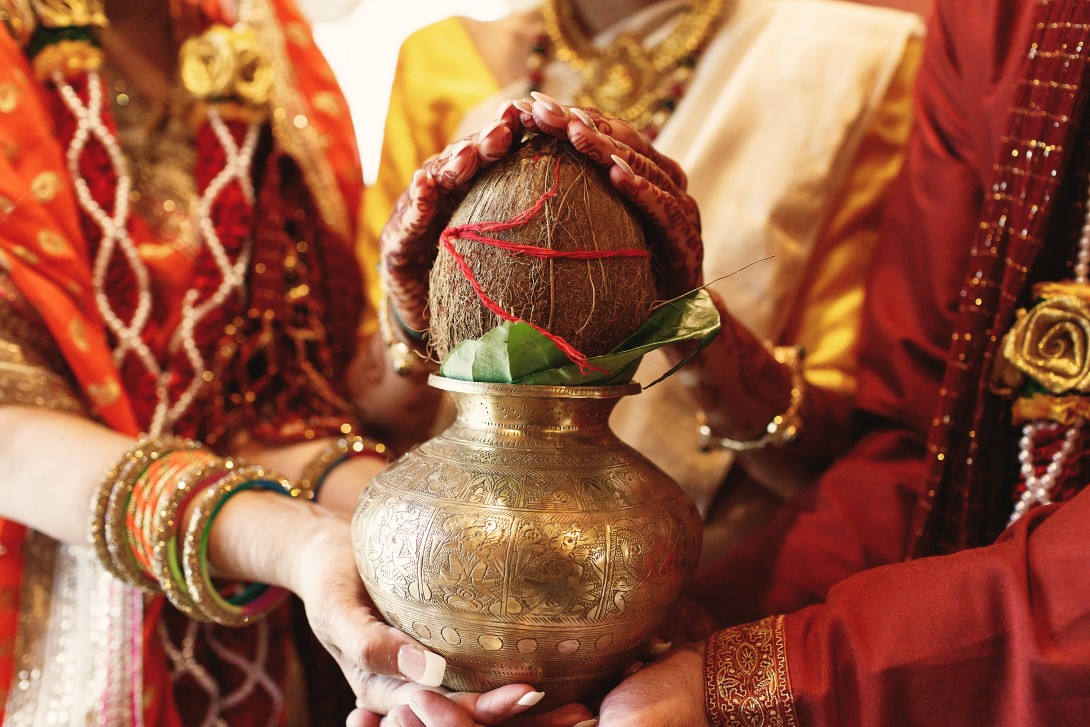
Understanding dowry practices
People follow dowry practices for a mix of social, economic, cultural, and psychological reasons. Even where dowry is illegal, the custom can continue because it is deeply tied to status, family expectations, and marriage negotiations.
Some common reasons are:
- Tradition and social pressure
In many communities, dowry has been practiced for generations. Families may fear criticism, rejection, or loss of social standing if they do not follow it. - Marriage market expectations
Some families see dowry as a way to secure a “better” marriage alliance — based on education, profession, caste, wealth, or social status. - Economic security ideas
Historically, gifts given to a daughter were sometimes meant to provide her financial security after marriage. Over time, this evolved in some places into demands from the groom’s side. - Status display
Weddings and dowry can become a public display of wealth, prestige, and family reputation. - Gender inequality
Dowry often reflects unequal social attitudes toward women — for example, viewing daughters as a financial burden or sons as economic assets. - Fear of mistreatment
Some families give dowry hoping their daughter will be treated better in her marital home, though sadly this does not guarantee safety or respect. - Normalization
People may participate simply because “everyone else does it,” even if privately they disagree with the practice.
At the same time, many people strongly oppose dowry because it can lead to:
- financial stress and debt,
- delayed marriages,
- domestic abuse,
- harassment,
- and even violence related to dowry demands.
In India, taking or demanding dowry is prohibited under the Dowry Prohibition Act, 1961, though enforcement and social attitudes vary.
There are also positive changes happening:
- more families openly rejecting dowry,ga
- couples choosing simple weddings,
- women gaining financial independence,
- and younger generations questioning the practice.
In many places today, people distinguish between:
- voluntary gifts exchanged affectionately, and
- coerced dowry demands, which are harmful and illegal.
By Jamuna Rangachari
See this article on youtube at Understanding dowry practices | Life Positive
s



Discussion (0)
No comments yet. Be the first to comment!
Leave a Comment
You need to login to post a comment.