Using sustainable energy
This is a crucial question because sustainable energy sources (like solar, wind, and hydro) are abundant, but they work differently than traditional coal or gas plants. Using them effectively requires a combination of technology, infrastructure changes, and smart habits.
Here’s a breakdown of how we use sustainable energy sources, from the individual level to the industrial scale.
The Core Principle: Capture, Convert, and Connect
Unlike fossil fuels that are burned on demand, sustainable sources must be captured when available (e.g., sun shining, wind blowing), converted into electricity or heat, and then connected to where it's needed.
1. Solar Energy (The Most Accessible)
We use the sun's energy in two main ways:
-
Photovoltaic (PV) Panels (Direct Electricity): These are the common blue/black panels.
-
How it works: Sunlight knocks electrons loose in a semiconductor, creating a direct current (DC). An inverter converts this to alternating current (AC) for your home or the grid.
-
How we use it: Rooftop solar on homes/businesses, solar farms (large fields of panels), solar-powered calculators, parking meters, and water pumps.
-
-
Solar Thermal (Heat): This uses the sun's heat directly.
-
How it works: Mirrors or dark-colored panels absorb sunlight to heat a fluid (water or oil).
-
How we use it: Heating swimming pools, providing hot water for homes, or using concentrated mirrors at a power plant to create steam that turns a turbine.
-
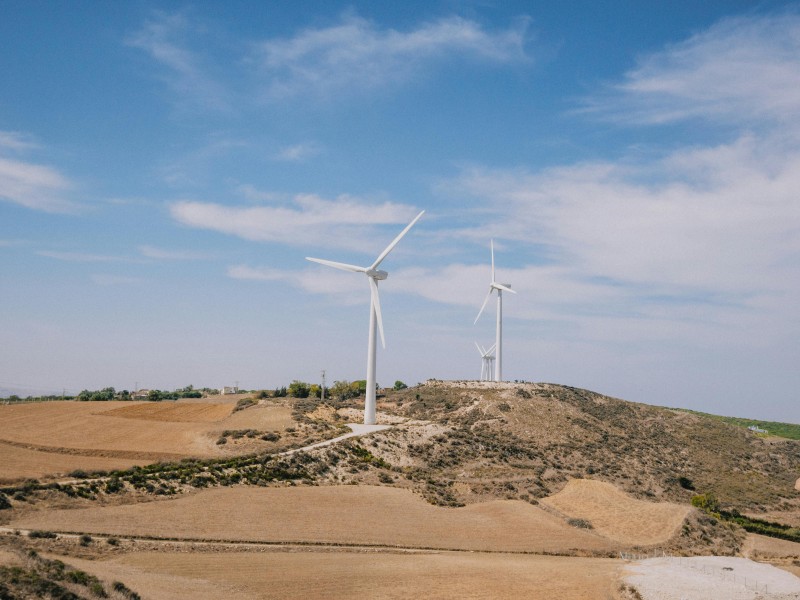
2. Wind Energy (Best for Utility-Scale Power)
We use the kinetic energy of moving air.
-
How it works: Wind turns the large blades of a turbine, which spins a generator to produce electricity.
-
How we use it:
-
Onshore Wind Farms: Rows of massive turbines on land (farmland, ranches). This is the most common and cost-effective method.
-
Offshore Wind Farms: Turbines built in the ocean where winds are stronger and more consistent. They are more expensive but produce huge amounts of power for coastal cities.
-
Small-Scale: A single turbine for a farm, remote cabin, or to power a weather station.
-
3. Hydropower (The Oldest and Largest)
We use the energy of falling or flowing water.
-
How it works: A dam creates a reservoir. When water is released, it flows through a pipe (penstock) and spins a turbine connected to a generator. "Run-of-river" plants use natural river flow without a large dam.
-
How we use it: Large hydroelectric dams (e.g., Hoover Dam) power entire regions. Small, "low-impact" hydro plants can power a small town or a single industrial facility. Pumped-storage hydropower acts like a giant battery, pumping water uphill when energy is cheap and releasing it when demand is high.
4. Geothermal Energy (The Constant, Reliable Source)
We use the Earth's internal heat.
-
How it works: Wells are drilled deep into underground reservoirs of hot water or steam. The steam rises and spins a turbine. For direct use, hot water is pumped up and passed through a heat exchanger.
-
How we use it:
-
Electricity Generation: Power plants in geologically active areas (Iceland, New Zealand, parts of the western US).
-
Direct Heating: District heating systems (where a whole town's buildings are heated from a central source), greenhouses, fish farms, and spas.
-
Geothermal Heat Pumps: For individual homes. They use the constant ~55°F temperature just a few feet underground to heat the home in winter and cool it in summer.
-
5. Bioenergy (The Complex & Controversial One)
We use organic matter (biomass) for energy. Sustainability depends entirely on how it's sourced.
-
How it works: Burning wood, crops, or landfill gas; or converting them into liquid fuels.
-
How we use it (sustainably):
-
Biogas: Capturing methane from landfills, livestock manure, or wastewater treatment plants to burn for heat or electricity.
-
Sustainable Biomass: Burning agricultural residue (corn stalks, nut shells) or fast-growing, non-food crops (switchgrass) in a power plant. Key: This must not lead to deforestation or compete with food crops.
-
Biofuels: Ethanol (from corn/sugarcane) and biodiesel (from used cooking oil, algae). Sustainable versions avoid rainforest clearing and use waste products.
-
The Crucial "How" for the Modern Grid
Using sustainable sources isn't just about the technology above. It requires solving their biggest challenge: intermittency (the sun doesn't always shine, the wind doesn't always blow).
Here's how we use them reliably:
-
Energy Storage: This is the game-changer.
-
Utility-Scale Batteries (Lithium-ion, Flow batteries): Giant warehouses of batteries that store excess solar or wind power and release it during the evening peak demand.
-
Pumped-Hydro Storage: As mentioned, uses water as a battery.
-
Other storage: Compressed air in caverns, or spinning up giant flywheels.
-
-
Smart Grids & Demand Response: A modern grid with digital sensors can talk to appliances.
-
How it works: Your utility can automatically delay running your electric water heater or charging your EV until 2 AM, when wind power is abundant. You get a discount for participating.
-
-
Diversification & Geographic Distribution: No single source is perfect. A region uses a mix: "When the sun sets, the wind often picks up. When the wind is calm, hydro or geothermal can fill the gap." Connecting a wide area with high-voltage transmission lines means a cloudy city can get solar power from a sunny desert 500 miles away.
How You Can Use Sustainable Energy Right Now
You don't need to build a dam. Here are practical steps:
-
At Home (If you own): Install rooftop solar panels. Even a small system reduces grid dependence. Add a home battery (like a Tesla Powerwall) to use that solar power at night.
-
At Home (Renting or low-cost): Sign up for Community Solar. You subscribe to a portion of a local solar farm and get a credit on your utility bill. Also, switch to a Green Energy Supplier – many utilities let you pay a small premium to source 100% of your electricity from wind or solar.
-
For Heating/Cooling: Install a Geothermal or Air-Source Heat Pump. It's like an AC that runs backwards, using electricity (which can come from solar) to move heat, rather than burning gas to create it.
-
For Transportation: Drive an Electric Vehicle (EV) and charge it from your solar panels or during times of high wind/solar on the grid.
-
For Cooking: Use an induction cooktop (runs on electricity) instead of natural gas or propane.
We use sustainable energy by capturing natural flows (sun, wind, water, heat) with specialized technology, converting that flow into electricity or heat, and then managing the variable supply using batteries, smart grids, and a diverse mix of sources. On a personal level, it's about electrifying everything (cars, heat, cooking) and then powering that electricity with renewables through rooftop panels or a green utility plan.
By Jamuna Rangachari



Discussion (0)
No comments yet. Be the first to comment!
Leave a Comment
You need to login to post a comment.