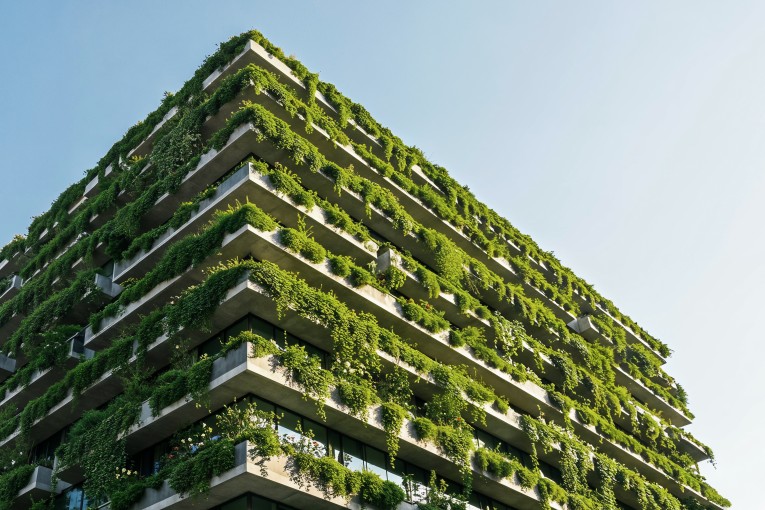
Building for tomorrow
The Essential Link Between Sustainable Construction, Safety, and Environmental Stewardship
The built environment is a double-edged sword. On one hand, buildings provide the shelter, comfort, and spaces where life unfolds. On the other, the construction and operation of buildings account for nearly 40% of global energy-related carbon dioxide emissions and consume vast quantities of natural resources. In an era defined by climate volatility and resource scarcity, the concept of "sustainable building" has evolved from a niche trend to an absolute necessity. However, modern sustainable design proves that we do not have to choose between ecological responsibility and structural safety; in fact, the most resilient buildings are those that synthesize the two.
At its core, sustainable construction is about longevity. A building that fails is inherently unsustainable. When a structure collapses due to fire, seismic activity, or extreme weather, the embodied carbon—the emissions released during the extraction of materials, manufacturing, and construction—is lost in an instant, requiring energy-intensive rebuilding. Therefore, safety is the foundation of sustainability. By utilizing high-performance, durable materials such as engineered timber, fiber-reinforced concrete, and weather-resistant cladding, architects are creating structures designed to withstand the escalating forces of climate change, including powerful hurricanes and wildfires. This durability ensures that the environmental cost of construction is amortized over decades, or even centuries, rather than years.
The environmental benefits of sustainable design are profound and multifaceted. Perhaps the most immediate impact is the drastic reduction in operational energy. By leveraging passive solar design, high-efficiency HVAC systems, and advanced insulation, green buildings significantly lower the fossil fuel consumption required for heating and cooling. The integration of renewable energy sources, such as photovoltaic glass and geothermal loops, allows many new buildings to achieve Net-Zero or even Net-Positive energy status, turning them from carbon emitters into carbon mitigators.
Furthermore, sustainable construction redefines our relationship with water and waste. Green roofs and permeable pavements manage stormwater runoff, reducing the burden on municipal systems and filtering pollutants. On-site water recycling systems treat greywater for irrigation, preserving precious freshwater resources. Material selection also plays a pivotal role; utilizing recycled steel, reclaimed wood, and low-VOC (Volatile Organic Compound) materials reduces the depletion of virgin resources and drastically improves indoor air quality for the occupants.
Crucially, the safety afforded by sustainable buildings extendBs beyond structural integrity to include human health. During the COVID-19 pandemic, the focus on ventilation and air quality became paramount. Green building standards prioritize enhanced filtration, increased fresh air intake, and the use of non-toxic materials. This creates indoor environments that reduce the transmission of airborne pathogens and minimize exposure to harmful chemicals, directly protecting the physical well-being of the people inside.
Looking to the future, the integration of safety and sustainability is giving rise to "regenerative" buildings—structures that actively restore the environment. Biophilic design incorporates natural elements to reduce stress and improve cognitive function, while energy-positive buildings contribute surplus energy back to the grid. As we face the twin challenges of rapid urbanization and climate change, the sustainable building movement offers a clear roadmap. By constructing buildings that are safe, healthy, and environmentally harmonious, we are not merely erecting structures; we are investing in a stable, prosperous future for generations to come.
By Jamuna Rangachari



Discussion (0)
No comments yet. Be the first to comment!
Leave a Comment
You need to login to post a comment.