China desalinates sea water making good quality water affordable
Scientists in China develop a device powered by solar technology making desalination easy, of good quality and affordable.
Desalination is a critical technology for addressing global water scarcity, especially in arid regions. It works by removing salts and minerals from seawater or brackish water to make it fit for human consumption or irrigation. However, this process comes with significant financial and environmental costs.
Here is a concise breakdown of how it works and its main challenges:
1. The Two Main Technologies
Reverse Osmosis (RO): This is the most common method today. It uses high pressure to force seawater through a semi-permeable membrane that traps salts and impurities. Recent technological advancements have reduced energy consumption, making it more efficient than it used to be.
Thermal Distillation: This older method involves heating seawater until it evaporates, then condensing the steam back into freshwater. It is typically used in the Middle East, where energy is abundant, often in conjunction with power generation.
2. Major Challenges
High Energy Demand: Desalination is energy-intensive. Reverse osmosis requires substantial electricity for pumping, while thermal plants need significant heat, making the process expensive and carbon-intensive unless powered by renewable energy.
Environmental Impact: The process produces a highly concentrated brine (saltier than seawater) that is discharged back into the ocean, potentially harming marine ecosystems if not properly diffused. Intake systems can also trap fish and other marine life.
Cost: While costs have dropped, it remains more expensive than treating freshwater or groundwater. The price depends heavily on local energy costs, plant scale, and the technology used.
3. Current Innovations
To address these issues, the industry is increasingly exploring:
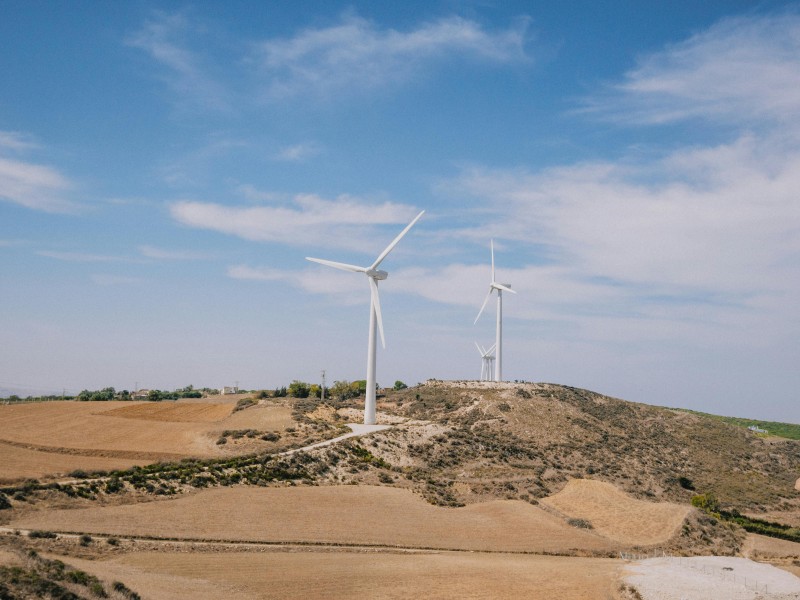
Renewable-powered desalination: Using solar or wind energy to power RO plants.
Improved membranes: Developing materials that allow more water to pass through at lower pressures.
Brine management: Researching ways to extract valuable minerals (like lithium or magnesium) from the brine, which could offset costs and reduce environmental harm.
We wish China and all others the very best to move forward in thiis area.
By Jamuna Rangachari
.jpg)

Discussion (0)
No comments yet. Be the first to comment!
Leave a Comment
You need to login to post a comment.