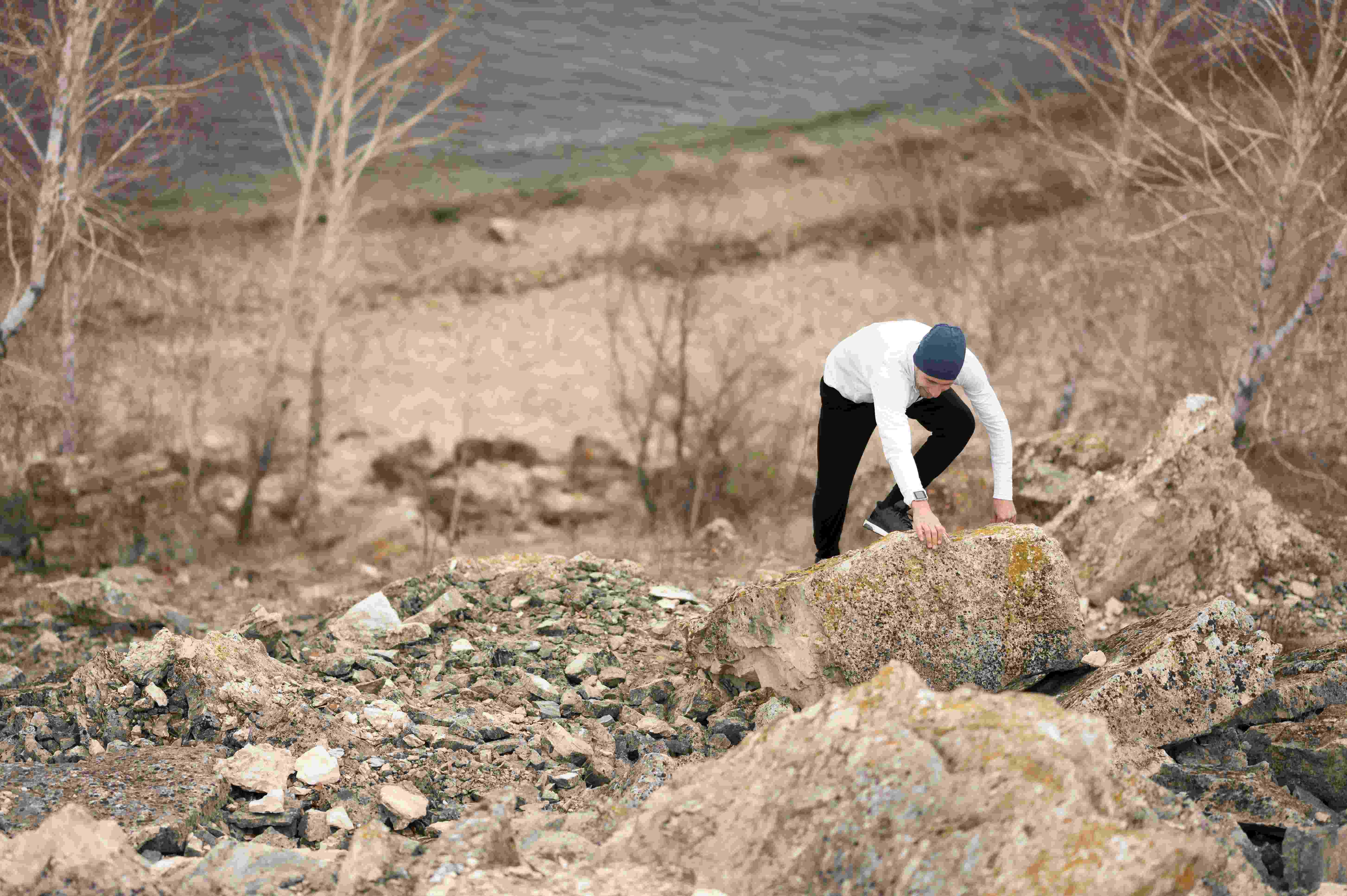
Landslide prevention
Landslide prevention involves a combination of proactive measures, including proper land management, engineering techniques, and early warning systems. The most effective strategy is to avoid building on or disturbing landslide-prone areas, but when development is necessary, various methods can significantly reduce the risk.
Prevention Phase
Key Actions
Brief Explanation
Risk Assessment & Planning
• Know your area's risks
• Get a professional site evaluation
• Use landslide hazard maps
Identify unstable land (steep slopes, history of slides) before building or buying. Consult experts for evaluation.
Improve Drainage
• Install surface drains (ditches, pipes)
• Use subsurface drains (gravel trenches, perforated pipes)
• Maintain gutters and downspouts
Divert water away from slopes to prevent soil saturation. Maintain drainage systems regularly.
Slope Stabilization & Engineering
• Regrade slopes to less steep angles
• Build retaining walls
• Use soil nailing and rock bolts
• Employ geosynthetics (geogrids)
Use engineering methods to physically reinforce and hold soil in place. Professional design is critical.
Vegetative Solutions
• Plant native trees, grasses, and deep-rooted plants
• Avoid clearing vegetation on slopes
Plant roots bind soil and absorb water. Use native species adapted to local conditions.
Ongoing Monitoring & Maintenance
• Inspect for cracks (ground, foundation, roads)
• Look for tilted trees, sagging lines, bulging ground
• Clean ditches and culverts
Regular checks catch early warning signs like ground cracks or tilting structures. Maintain drainage systems.
🚨 Early Warning and Preparedness
Even with preventive measures, it's crucial to be prepared for when landslides might still occur.
-
Understand Official Alerts: Familiarize yourself with the terms. A Landslide Watch means landslides are possible; a Landslide Warning means they are happening—evacuate if you are in the affected area.
-
Recognize the Signs: Be aware of natural warning signals like new springs, sudden changes in stream flow, or the sound of cracking trees and boulders.
-
Have an Evacuation Plan: Know your evacuation routes and develop an emergency plan for your household. If authorities advise evacuation, leave immediately.
💡 Important Considerations
-
Professional Consultation is Key: The methods mentioned, especially engineering interventions, require design and oversight by qualified professionals like geotechnical engineers or engineering geologists.
-
Multiple Methods Work Best: Landslide prevention is most effective when several strategies are combined, such as improving drainage while also reinforcing a slope and planting vegetation.
-
Human Activities Can Increase Risk: Activities like unsafe excavation, clearcutting, placing septic tanks on slopes, or adding too much weight to a slope can trigger landslides. Always consider the stability of the land in your planning.
I hope this overview helps you understand how to prevent landslides. If you are considering a specific project, consulting with a geotechnical expert for a site-specific evaluation is always the recommended first step. We do need to do this to remain safe from nature’s fury in current times. By doing this, we shall remain safe and be able to help others too for we have unfortunately, abused mother earth for too long. We need to make amends and remain safe in the current chaotic times.
By Jamuna Rangachari



Discussion (0)
No comments yet. Be the first to comment!
Leave a Comment
You need to login to post a comment.