Overcoming Depression: Healing
Overcoming Depression: Methodology, Treatment Process & Sustained Lifestyle
Introduction
Depression is more than occasional sadness or a difficult phase in life. It is a common and treatable mental health condition that can affect emotions, thoughts, physical health, relationships, work, and everyday functioning.
Key Takeaways
- Comprehensive Care Works Best: Recovery combines professional therapy or medical support with daily routines, healthy movement, and strong social connections.
- Healing is a Gradual, Individual Journey: Progress isn't always linear, and taking small, consistent steps builds emotional resilience over time without comparison.
- Early Action Prevents Relapse: Recognizing personal warning signs and seeking early professional help are crucial for sustaining long-term mental wellness.
Overcoming Depression
Overcoming depression is best viewed as a gradual process rather than a single event. Depression can influence the way a person sees themselves, other people, and the future. It may also reduce motivation, making even simple tasks feel overwhelming.
The goal is not to force happiness or eliminate every unpleasant emotion. Rather, the aim is to develop the ability to function, cope with challenges, experience positive emotions, maintain relationships, and respond to difficult thoughts and feelings in healthier ways.
Understanding Depression and Recovery
Emotional, Physical and Behavioural Changes
Depression can appear differently from one person to another. Emotionally, a person may experience persistent sadness, emptiness, hopelessness, irritability, guilt, or feelings of worthlessness.
This is a health condition that deserves appropriate attention and care.
Common Triggers and Contributing Factors
Depression can have many contributing factors. Difficult life circumstances such as bereavement, relationship problems, financial stress, unemployment, loneliness, chronic stress, or major life transitions can contribute to depressive symptoms.
Recovery as an Individualized Process
There is no universal recovery formula. One person's experience with depression may be very different from another's.
It is therefore useful to avoid comparing one's progress with someone else's. Recovery may involve gradual improvement rather than a straight line. Difficult days do not necessarily mean that treatment has failed.
Core Methodology for Depression Recovery
Professional Mental Health Assessment
A professional assessment is an important starting point when
depression is suspected. A qualified mental health professional can discuss symptoms, their duration, severity, daily functioning, personal history, and relevant life circumstances.
Psychotherapy and Counseling
Psychotherapy is an important treatment for depression. The relationship between the individual and therapist is important. A person should feel sufficiently comfortable and respected to discuss difficult experiences honestly.
Medication and Medical Support
Antidepressant medication may be recommended for some people, particularly when symptoms are moderate to severe or when psychotherapy alone has not provided sufficient improvement.
Medication decisions should be made with a qualified healthcare professional.
Social and Emotional Support
Depression often encourages withdrawal, yet connection can be an important part of recovery. Trusted family members, friends, colleagues, support groups, counselors, and community networks can provide encouragement and reduce isolation.
The Depression Recovery Process
Initial Assessment and Personalized Plan
A personalized plan may include psychotherapy, medication, medical evaluation, lifestyle adjustments, social support, or several of these approaches. Goals should be realistic. .
Active Treatment and Behavioral Change
During active treatment, individuals begin applying therapeutic strategies and developing healthier routines.
Depression can make ordinary activities feel exhausting. Behavioral activation approaches encourage people to gradually reintroduce constructive activities even when motivation is initially low.
Small actions can matter. Taking a short walk, showering, preparing a meal, attending therapy, answering a message, or spending a few minutes outdoors can be meaningful steps.
Over time, these actions can create a more stable daily structure.
Progress Monitoring and Care Adjustment
Recovery should be monitored rather than left entirely to chance. A therapist or doctor can evaluate whether symptoms are improving and whether treatment needs modification.
If a treatment is not helping adequately, the individual should discuss this with their healthcare professional. Treatment may need to be adjusted, changed, or supplemented.
Keeping a simple record of mood, sleep, energy, appetite, activities, and major stressors can sometimes help identify patterns.
Relapse Prevention and Continuing Support
Depression can recur, particularly during periods of significant stress. Preventing relapse therefore becomes an important part of long-term recovery.
A relapse-prevention plan may identify personal warning signs, coping strategies, people to contact, professional resources, and practical steps to take when symptoms begin returning.
Continuing therapy or professional follow-up may be useful for some people even after significant improvement.
Lifestyle Practices That Support Recovery
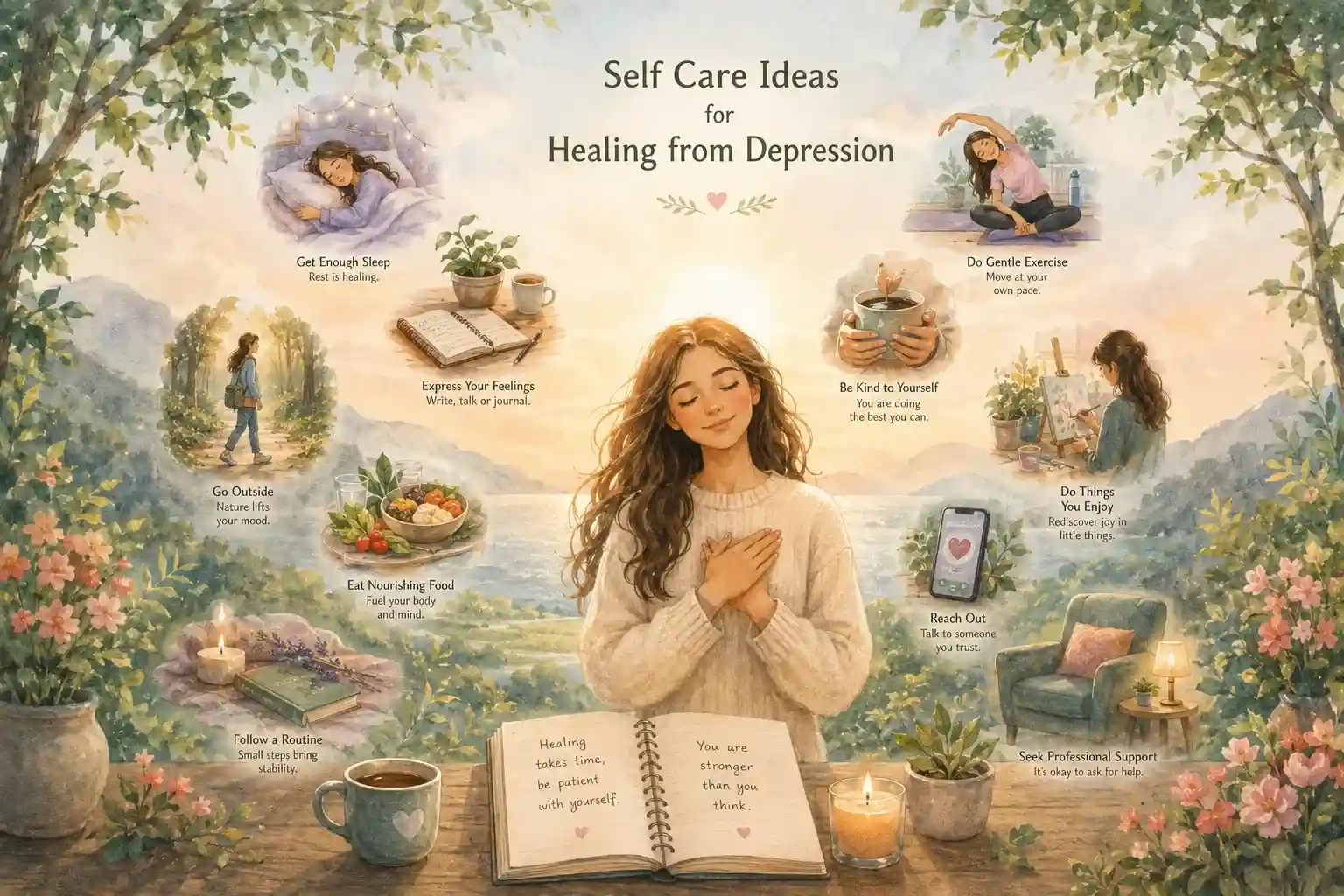
Consistent Sleep and Daily Routine
Sleep and mood are closely connected. Establishing a relatively
consistent sleep and wake schedule can support emotional and physical well-being.
A calming evening routine, reducing excessive screen exposure before bedtime, keeping the sleeping environment comfortable, and avoiding excessive caffeine late in the day may help.
A predictable morning routine can also provide structure. Getting up at a consistent time, washing, having breakfast, and spending some time outdoors can create useful anchors in the day.
Balanced Nutrition and Regular Movement
Nutrition does not replace professional treatment for depression, but a balanced diet can support overall health and energy.
Regular meals containing vegetables, fruits, whole grains, legumes, protein sources, and healthy fats can contribute to good nutrition. Adequate hydration is also important.
Physical activity can be particularly valuable. Movement may include walking, stretching, yoga, cycling, swimming, dancing, or other enjoyable activities. Someone experiencing depression can start with a small amount and gradually increase activity according to their abilities.
The objective is consistency rather than perfection.
Stress Management and Relaxation
Persistent stress can make emotional difficulties harder to manage. Developing healthy methods of relaxation can therefore complement depression treatment.
Possible practices include slow breathing, mindfulness, meditation, yoga, gentle stretching, time in nature, journaling, music, creative activities, or quiet periods without digital distractions.
The most useful practice is often one that the individual can realistically maintain.
Meaningful Activities and Social Connection
Depression can remove interest from activities that once felt meaningful. Gradually reconnecting with enjoyable or purposeful activities can support recovery.
These activities do not have to be ambitious. Gardening, reading, cooking, music, volunteering, caring for a pet, creative work, or spending time with loved ones can provide a sense of purpose.
Social connection is equally important. Even a short conversation or shared meal can reduce isolation.
Building Emotional Resilience
Positive Coping Strategies
Healthy coping strategies help individuals respond to difficult emotions without becoming overwhelmed by them.
Useful strategies may include talking with someone trustworthy, exercising, practicing relaxation, maintaining routines, writing down thoughts, spending time outdoors, engaging in creative activities, and seeking professional assistance.
Unhelpful coping mechanisms such as excessive alcohol or substance use, social withdrawal, or avoiding every difficult situation may provide temporary relief but can create additional problems over time.
Self-Compassion and Healthy Self-Talk
Depression frequently involves harsh self-criticism. People may tell themselves that they are failures, burdens, or incapable of improvement.
Self-compassion does not mean ignoring problems. It means treating oneself with the same patience and understanding one might offer to someone facing a difficult illness.
Instead of saying, "I cannot do anything," a more balanced statement might be, "I am struggling right now, but I can take one manageable step."
Small changes in self-talk can gradually reduce unnecessary self-judgment.
Managing Negative Thought Patterns
Negative thoughts can become repetitive during depression. A person may focus on past mistakes, expect the worst from the future, or interpret temporary difficulties as permanent failures.
Therapeutic techniques can help identify these patterns and examine whether they are accurate or distorted.
A useful practice is to separate a thought from a fact. For example, "I feel like nothing will improve" describes an emotional experience; it does not necessarily establish what the future will be.
Professional therapy can provide structured methods for working with persistent negative thinking.
Sustained Lifestyle for Long-Term Well-Being
Maintaining Healthy Daily Habits
Long-term emotional wellness is supported by ordinary habits repeated consistently.
Regular sleep, nutritious meals, physical activity, personal hygiene, time outdoors, relaxation, meaningful work, and social interaction can form a foundation for well-being.
The goal is not to create a perfect lifestyle. Sustainable habits are generally more useful than extreme routines that are difficult to maintain.
Staying Connected With Support Networks
A strong support network can provide emotional encouragement during both good and difficult periods.
People can maintain relationships by scheduling regular conversations, meeting friends, participating in community activities, joining support groups, or simply staying in touch through phone calls and messages.
It is useful to maintain connections before a crisis occurs rather than waiting until support is urgently needed.
Recognizing Early Warning Signs
Recognizing changes early can make it easier to seek help before symptoms become severe.
Warning signs may include persistent low mood, withdrawing from others, losing interest in usual activities, major changes in sleep or appetite, declining motivation, increasing irritability, difficulty functioning, or a return of persistent hopeless thoughts.
Individuals who have previously experienced depression can work with their healthcare professionals to identify their own early warning signs.
Continuing Professional Follow-Up
Professional support does not necessarily end when symptoms improve. Some individuals benefit from periodic therapy or medical follow-up.
Follow-up provides an opportunity to discuss new stressors, changes in symptoms, medication questions, coping difficulties, or concerns about relapse.
Continuing care can be particularly valuable during major life transitions or periods of increased stress.
How to Get Started With Depression Support
Recognizing the Need for Help
The first step is recognizing that persistent emotional suffering deserves attention.
A person does not have to wait until symptoms become unbearable before asking for help. If low mood, loss of interest, fatigue, hopelessness, sleep changes, or other symptoms are interfering with daily life, professional evaluation can be appropriate.
Asking for help is not a sign of weakness. It is a practical step toward better health.
Finding the Right Mental Health Professional
Depending on the situation, support may come from a psychiatrist, psychologist, counselor, therapist, or other qualified mental health professional.
A primary healthcare professional can also be a useful starting point and may help with referrals or evaluation of possible physical contributors.
When selecting a professional, consider qualifications, experience, treatment approach, communication style, accessibility, and whether the person feels comfortable working with them.
Creating Achievable Recovery Goals
Recovery goals should be specific and manageable.
Instead of setting a broad goal such as "I want to become happy," a person might choose goals such as:
- Attend scheduled therapy sessions.
- Maintain a regular sleep schedule.
- Take a short walk several days a week.
- Eat regular nutritious meals.
- Contact one supportive person each week.
- Practice relaxation for a few minutes each day. Achieving small goals can gradually rebuild confidence.
Building a Personal Support Plan
A personal support plan can include the names of trusted people, healthcare professionals, emergency contacts, coping strategies, important appointments, and early warning signs.
It may also identify activities that usually help the person feel more grounded.
Writing this information down can be useful because depression can make decision-making more difficult during challenging periods.
Safety and Important Considerations
Avoiding Self-Treatment as a Substitute for Care
Lifestyle practices such as exercise, meditation, nutrition, yoga, relaxation, and social connection can support mental wellness, but they should not be presented as substitutes for appropriate treatment when someone has clinical depression.
Online advice, supplements, spiritual practices, or self-help methods should not replace professional assessment when symptoms are persistent, severe, or interfering significantly with life.
Medication Decisions With Professional Guidance
Medication should always be discussed with an appropriately qualified healthcare professional.
Individuals should not change their dosage, combine medications, or discontinue treatment independently. They should also inform their healthcare professional about other medications, supplements, alcohol or substance use, and relevant health conditions.
If side effects or concerns occur, discussing them openly with the prescriber allows treatment to be reviewed safely.
Support During Difficult Periods
Depression can sometimes become severe and may involve thoughts of self-harm or suicide. Such thoughts should always be taken seriously.
If someone feels they may hurt themselves or cannot stay safe, they should seek immediate help from local emergency services, go to the nearest emergency department, or contact a trusted person who can stay with them while professional help is obtained.
A person experiencing a mental health crisis should not be left to manage the situation alone.
Frequently Asked Questions
Depression Treatment and Recovery
Can depression be treated?
Yes. Depression is treatable, although the appropriate treatment
differs from person to person. Psychotherapy, medication, lifestyle measures, social support, or combinations of these approaches may be used.
How long does depression recovery take?
There is no fixed timeline. Some people experience improvement relatively quickly, while others require longer-term treatment and support. Severity, duration, underlying factors, treatment response, and individual circumstances all influence recovery.
Does seeking therapy mean that someone is weak?
No. Therapy is a healthcare intervention that can help people understand their experiences, develop coping skills, and make constructive changes.
Lifestyle Changes for Emotional Wellness
Can exercise help with depression?
Regular physical activity can support mood, energy, sleep, and general
health and may complement professional treatment. People experiencing depression can begin gradually with activities that are safe and manageable for them.
Can meditation cure depression?
Meditation and mindfulness may help some people manage stress and become more aware of thoughts and emotions. However, they should generally be viewed as complementary practices rather than universal cures for depression.
Does sleep affect depression?
Sleep and mood influence each other. Poor or irregular sleep can make emotional difficulties harder to manage, while depression can itself disrupt sleep. Developing consistent sleep habits can therefore be an important part of overall care.
Preventing Depression Relapse
Can depression return after recovery?
Yes. Some people experience more than one episode of depression. Maintaining healthy routines, recognizing warning signs, continuing appropriate treatment, and seeking help early can support long-term stability.
What should someone do if symptoms begin returning?
Contacting a mental health professional early is advisable. Reviewing recent stressors, sleep, routines, medication adherence, and other changes can help determine whether additional support is needed.
When Professional Support Is Needed
When should someone seek professional help?
Professional support is appropriate when symptoms persist, interfere with work or relationships, cause significant distress, or make everyday functioning difficult. Immediate assistance is particularly important when someone has thoughts of suicide or self-harm.
Can a family member help someone with depression?
Yes. Family members can listen without judgment, encourage professional help, assist with practical tasks, and remain connected. They should also recognize that they cannot replace professional treatment.
Taking the First Step Toward Lasting Emotional Well-Being
Overcoming depression is a process that often requires patience, support, and persistence. The first step may be as simple as acknowledging that something is not right and speaking to a trusted person or qualified professional.
Effective recovery generally combines appropriate treatment with practical lifestyle habits. Psychotherapy can help address thoughts, emotions, behaviors, and relationships. Medication may be useful for some individuals under professional supervision. Healthy sleep, nutritious food, physical activity, relaxation, meaningful activities, and social connection can provide additional foundations for well-being.
Most importantly, depression should not be approached with shame or self-blame. A person experiencing depression is dealing with a health condition, not a personal failure.
Recovery may happen gradually. Some days may feel easier than others, and temporary setbacks do not erase previous progress. By seeking appropriate care, developing sustainable habits, maintaining supportive relationships, and recognizing early warning signs, individuals can build greater emotional resilience and improve their quality of life.
The journey toward emotional well-being begins with one manageable step: recognizing the need for support and reaching out for it.
We wish you all the best in your journey in combating depression, and do reach out for support without hesitating.
Also Read our article on healing from trauma.
By Jamuna Rangachari



Discussion (0)
No comments yet. Be the first to comment!
Leave a Comment
You need to login to post a comment.