Panchakarma as per Ayurveda: Process, How to Go About It & Benefits
Introduction
Panchakarma is a traditional Ayurvedic therapeutic approach that uses a combination of individualized preparation, therapeutic procedures, diet, rest and lifestyle practices. The Sanskrit term Panchakarma refers to “five actions” and traditionally describes a set of cleansing procedures selected according to an individual’s constitution, digestive capacity, age, strength and perceived imbalances.
Unlike a standard wellness package in which everyone receives the same treatments, classical Panchakarma is intended to be personalized. It is generally carried out under the supervision of a qualified Ayurvedic practitioner, particularly when traditional cleansing procedures are involved. The approach may include oil-based therapies, sweating or steam practices, dietary adjustments and specific cleansing procedures.
From a modern wellness perspective, some components of Panchakarma—such as massage, relaxation, mindful eating, rest and gentle movement—may support general wellbeing. However, claims that Panchakarma can “remove all toxins,” cure diseases or replace medical treatment are not well established by modern clinical evidence. Some procedures can also carry risks when performed incorrectly.
Therefore, Panchakarma is best approached as a traditional complementary wellness practice, with appropriate professional assessment and medical care when needed.
Panchakarma as per Ayurveda
In Ayurveda, health is traditionally viewed as a dynamic balance between the doshas—Vata, Pitta and Kapha—along with agni or digestive/metabolic capacity, tissues, elimination and mental wellbeing.
Panchakarma is traditionally used when an Ayurvedic practitioner believes that accumulated imbalances require a more intensive therapeutic approach than ordinary dietary and lifestyle adjustments. The treatment is not necessarily appropriate for every person or every health concern.
Classical Panchakarma is traditionally associated with five principal therapeutic actions. Depending on the Ayurvedic system and clinical setting, these are described as:
-
Vamana – therapeutic emesis, traditionally associated with Kapha-related conditions
-
Virechana – therapeutic purgation, traditionally associated with Pitta-related conditions
-
Basti – administration of herbal preparations through the rectal route, traditionally associated particularly with Vata management
-
Nasya – administration of selected substances through the nasal route
-
Raktamokshana – traditional bloodletting, historically included among the five procedures in some classical descriptions
Modern Panchakarma centres may use the word more broadly and include supportive treatments such as Abhyanga, Swedana and Shirodhara. These supportive therapies should not automatically be considered equivalent to the five classical procedures.
Understanding Panchakarma in Ayurveda
Ayurvedic Principles Behind Panchakarma
Ayurveda emphasizes prevention, balance and individualized care. Panchakarma is traditionally understood as a deeper therapeutic process that begins with preparing the body and mind before selected procedures are undertaken.
The approach may involve oleation, often using medicated oils or ghee, followed by sweating or warming therapies. These preparatory practices are traditionally believed to help prepare the body for the main procedure.
The philosophy is not simply about fasting or eliminating food. Instead, it combines therapeutic procedures with food, rest, routine and recovery.
Dosha Balance and Individual Constitution
Ayurveda describes three doshas:
-
Vata, associated traditionally with movement and qualities such as dryness and lightness
-
Pitta, associated with transformation, heat and metabolism
-
Kapha, associated with stability, structure and lubrication
A person may have a constitution in which one or more doshas are predominant. Ayurveda also considers temporary imbalances that may develop because of diet, stress, seasons, age, sleep patterns and lifestyle.
Consequently, Panchakarma is traditionally individualized rather than prescribed identically for everyone. The same procedure may not be appropriate for two people with different constitutions, strengths or health conditions.
The Role of Agni and Digestive Wellness
Agni is one of Ayurveda's central concepts and is commonly translated as digestive or metabolic fire. Ayurvedic practitioners assess digestion, appetite, bowel habits and tolerance of foods when developing a treatment plan.
During Panchakarma, food is often kept relatively simple and easy to digest. A gradual transition back to regular food is traditionally emphasized after intensive procedures.
From a practical wellness perspective, this period can also encourage people to notice eating patterns, portion sizes, hydration, meal timing and their relationship with food.
Panchakarma Methodology
Individual Health and Constitution Assessment
A Panchakarma programme should begin with an individual assessment. An Ayurvedic practitioner may ask about constitution, digestion, sleep, lifestyle, stress, appetite, elimination patterns and current concerns.
A responsible practitioner should also ask about existing medical conditions, allergies, medications, pregnancy status where relevant and previous treatment experiences.
Identifying Wellness Goals and Imbalances
The purpose of Panchakarma should be clearly established before treatment begins.
A person may seek an Ayurvedic programme for general wellness, relaxation, digestive support or to establish healthier routines. Others may approach Ayurveda because of a specific health concern.
It is important to distinguish between a wellness goal and a medical treatment claim. Panchakarma should not be presented as a substitute for diagnosis or treatment of serious disease.
Selecting Personalized Therapies
After assessment, the practitioner may select therapies according to the person's constitution, strength, age, season and treatment objectives.
Some people may receive primarily external therapies such as massage and steam. Others may be considered for more intensive traditional cleansing procedures.
Not everyone needs all five classical procedures.
Practitioner-Led Treatment Planning
A structured programme normally includes preparation, the selected therapeutic phase and recovery.
The practitioner should explain:
-
What each procedure involves
-
Why it has been selected
-
How long it may take
-
What dietary restrictions apply
-
What symptoms should be reported
-
What recovery will involve
-
When medical attention should be sought
Clear communication is an important part of safe Ayurvedic care.
The Panchakarma Process
Preparation: Purvakarma
Purvakarma means preparatory procedures. Traditional Panchakarma commonly begins with preparation rather than immediately performing intensive cleansing.
Preparation may include:
-
Dietary simplification
-
Internal or external oleation according to the practitioner's plan
-
Abhyanga or oil massage
-
Swedana or controlled sweating
-
Rest and reduced physical exertion
The precise preparation varies considerably between individuals.
Main Therapeutic Phase
The main therapeutic phase involves the selected procedure or combination of procedures.
Depending on the individual's plan, traditional Panchakarma may involve Vamana, Virechana, Basti, Nasya or, in some classical traditions, Raktamokshana.
These are not procedures that should be attempted at home. They require appropriate clinical assessment, hygiene, supervision and knowledge of contraindications.
Supportive therapies such as massage and steam may also be incorporated.
Recovery: Paschatkarma
The recovery phase is traditionally known as Paschatkarma. It is an important part of the process rather than an optional final step.
Following intensive treatment, Ayurveda traditionally recommends a gradual return to ordinary eating and activity. The digestive system is considered to need time to regain strength.
Diet, Rest and Lifestyle During Recovery
Recovery may include simple meals, adequate hydration, sufficient sleep and avoidance of excessive physical or mental strain.
The individual may be advised to temporarily reduce:
-
Heavy meals
-
Excessive fried foods
-
Alcohol
-
Very strenuous exercise
-
Late nights
-
Excessive travel
-
Overstimulation
The objective is to give the body time to settle into a regular routine.
How to Go About Panchakarma
Finding a Qualified Ayurvedic Practitioner
Choose a practitioner with appropriate Ayurvedic training and experience in Panchakarma. In India, patients may consider practitioners registered under the relevant regulatory framework and facilities that follow appropriate hygiene and clinical standards.
Ask about the practitioner's qualifications, experience, treatment protocols and emergency arrangements.
Completing a Pre-Treatment Assessment
Do not begin intensive Panchakarma simply because it is fashionable or because someone else benefited from it.
Provide the practitioner with a complete health history, including current medications and supplements.
Following a Personalized Treatment Schedule
Panchakarma should be approached as a planned process rather than a collection of spa treatments.
Follow the schedule provided by the practitioner and communicate promptly if you experience significant discomfort, weakness, dizziness, persistent vomiting, dehydration or other concerning symptoms.
Maintaining Dietary and Lifestyle Guidelines
Dietary instructions are an important part of traditional Panchakarma. They may be customized according to the individual's digestive capacity and treatment phase.
The goal should be nourishment and recovery rather than unnecessary restriction.
Post-Treatment Follow-Up
A follow-up consultation can help determine whether the programme achieved its intended wellness goals and how to return to normal food and activity.
It is also an opportunity to establish sustainable lifestyle practices rather than repeatedly undergoing intensive cleansing.
Potential Benefits of Panchakarma
Digestive and Dietary Wellness
Traditional Panchakarma emphasizes mindful eating, digestive capacity and appropriate food choices. The temporary dietary simplification may encourage people to become more aware of how different foods affect appetite, comfort and energy.
Some people may also appreciate the opportunity to reduce highly processed foods and establish more regular meal patterns.
However, individual digestive symptoms should not automatically be attributed to “toxins.” Persistent symptoms such as abdominal pain, unexplained weight loss, bleeding or prolonged changes in bowel habits require medical evaluation.
Relaxation and Stress Management
Massage, warmth, quiet surroundings, reduced workload and guided relaxation can contribute to a sense of rest.
Abhyanga and other gentle therapies may provide relaxation for some individuals. Meditation, breathing practices and adequate sleep can further support stress management.
These benefits can often be incorporated into everyday life without undergoing intensive Panchakarma.
Mind-Body Awareness
One valuable aspect of a structured wellness programme is increased awareness.
During Panchakarma, individuals may pay greater attention to:
-
Hunger and fullness
-
Sleep
-
Stress
-
Digestion
-
Physical tension
-
Emotional responses
-
Daily routines
This awareness can become a foundation for healthier long-term choices.
Support for Healthy Lifestyle Habits
A Panchakarma programme can serve as a transition point for people who want to develop healthier habits.
The long-term value depends less on completing a single programme and more on what happens afterward. Regular sleep, nutritious food, movement, stress management and meaningful social connections remain important.
Common Panchakarma Therapies
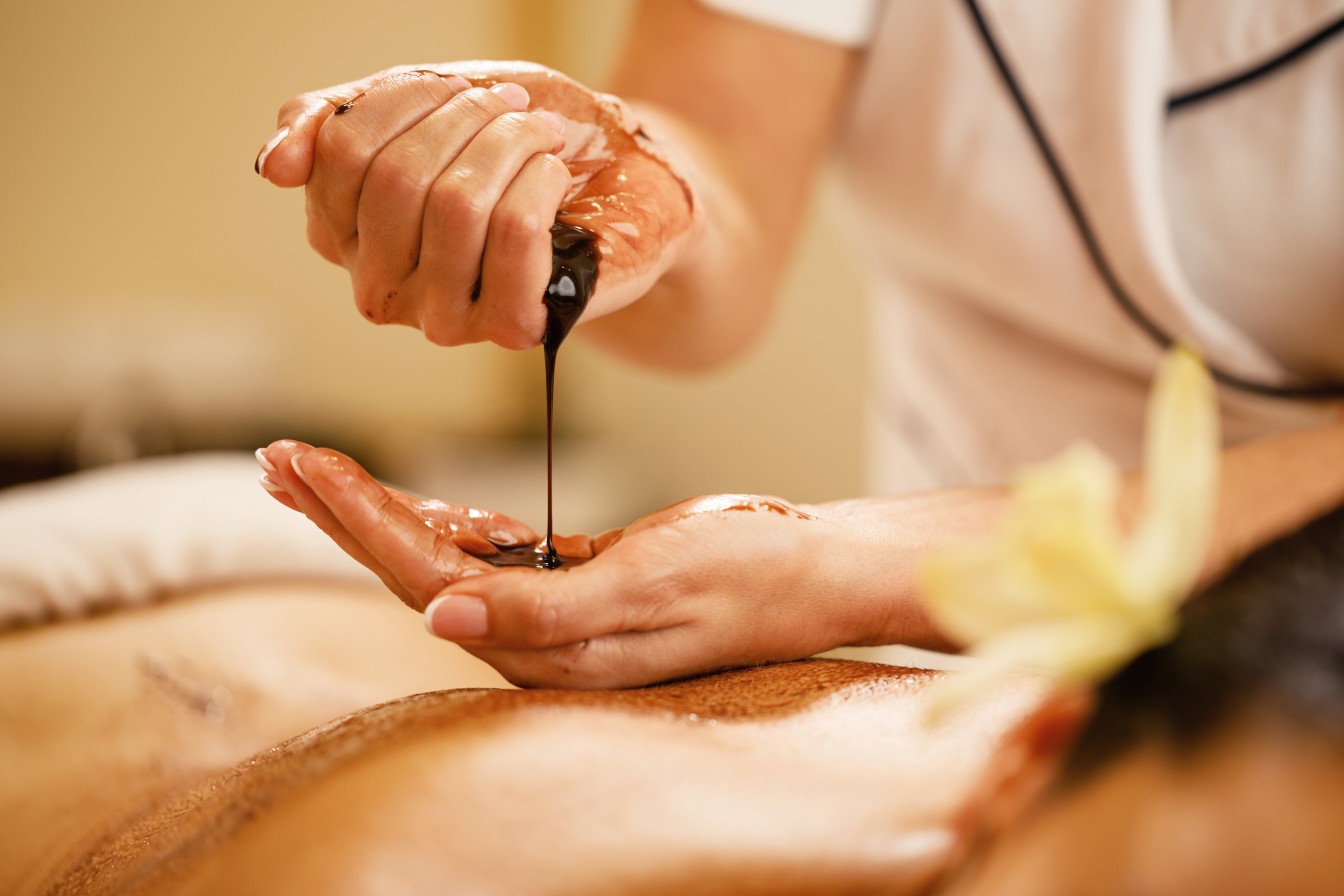
Abhyanga and Ayurvedic Oil Massage
Abhyanga is a traditional Ayurvedic oil massage. Warm oil is applied to the body using systematic massage techniques.
It is commonly used as a preparatory or supportive practice and may promote relaxation and a sense of physical comfort.
People with skin allergies or other relevant conditions should discuss oil selection and massage suitability with a practitioner.
Swedana and Herbal Steam Therapy
Swedana refers broadly to traditional sweating or warming therapies. Herbal steam may be used following massage in some Ayurvedic settings.
The treatment should be appropriately controlled. Excessive heat can cause dehydration, dizziness or overheating, particularly in vulnerable individuals.
Shirodhara and Relaxation Practices
Shirodhara involves gently pouring a continuous stream of liquid, traditionally oil, over the forehead.
It is widely offered as a relaxation-oriented Ayurvedic therapy. Many people find the process calming, although claims that it treats complex neurological or psychiatric disorders should be approached cautiously.
Traditional Cleansing Procedures
Traditional cleansing procedures are the most intensive part of Panchakarma and should only be performed under qualified supervision.
Vamana and Virechana, for example, can produce significant fluid and electrolyte changes. Basti requires appropriate hygiene and clinical judgment. Nasya also requires suitable preparation and administration.
The more intensive the procedure, the more important professional assessment becomes.
Lifestyle and Diet During Panchakarma
Light and Personalized Nutrition
Traditional Panchakarma diets often emphasize easily digestible foods. Rice preparations, light soups, cooked vegetables and other simple foods may be used depending on the individual's plan.
There is no universal Panchakarma diet suitable for everyone.
Adequate nutrition and hydration remain important. Extreme calorie restriction is not necessary to make a wellness programme meaningful.
Rest and Gentle Daily Activity
Panchakarma is generally associated with a slower pace. Gentle walking may be appropriate for some individuals, while strenuous workouts may be reduced temporarily.
The aim is not complete inactivity but appropriate balance between activity and recovery.
Yoga, Meditation and Breathwork
Gentle yoga, meditation and breathing practices can complement a wellness programme.
Slow practices may encourage relaxation and body awareness. However, vigorous yoga or prolonged breath retention may not be suitable during periods of weakness or intensive treatment.
Sleep and Recovery
Good sleep is essential for recovery and overall wellbeing.
A regular bedtime, reduced screen exposure at night, a comfortable sleeping environment and calming evening activities can help establish healthy sleep habits.
Building a Post-Panchakarma Wellness Routine
Gradual Return to Regular Foods
Food should generally be reintroduced gradually according to the practitioner's instructions.
Suddenly returning to very heavy meals after a restricted diet may cause digestive discomfort.
Sustainable Daily Routines
A successful Panchakarma experience should ideally lead to practical habits that can continue after treatment.
These may include:
-
Regular meal times
-
Seasonal food choices
-
Daily movement
-
Adequate sleep
-
Mindful eating
-
Stress-management practices
Maintaining Balanced Lifestyle Habits
Long-term wellness does not depend on periodic intensive cleansing alone.
A balanced lifestyle that includes nutritious food, exercise, rest, meaningful relationships and emotional wellbeing provides a more sustainable foundation.
Long-Term Wellness Planning
Rather than repeatedly undergoing intensive Panchakarma, individuals can discuss preventive Ayurvedic routines with their practitioner.
Seasonal routines, gentle yoga, meditation, appropriate nutrition and self-care may provide practical ways to maintain the principles of balance throughout the year.
Safety and Important Considerations
Professional Assessment Before Treatment
Professional assessment is particularly important before intensive Panchakarma procedures.
A qualified practitioner should determine whether the treatment is appropriate and modify or avoid procedures when necessary.
Individual Health Conditions and Medications
People with chronic illnesses, pregnancy, significant weakness, eating disorders, kidney or heart problems, uncontrolled diabetes, severe gastrointestinal conditions or other medical concerns may require special precautions or may not be suitable candidates for certain procedures.
Medications should never be stopped merely because Panchakarma has begun. Discuss all medicines and supplements with both the Ayurvedic practitioner and the treating medical professional when relevant.
Avoiding Unsupervised Panchakarma Procedures
Do not attempt therapeutic emesis, purgation, enemas or other intensive procedures based on internet instructions.
Even apparently simple cleansing practices can result in dehydration, electrolyte imbalance, aspiration, infection or other complications when improperly performed.
Integrating Ayurveda With Appropriate Medical Care
Ayurveda and modern medicine do not necessarily have to be viewed as competing systems.
A person may use appropriate Ayurvedic wellness practices alongside evidence-based medical care, provided practitioners are informed and treatments do not interfere with one another.
Symptoms suggesting a serious illness should always receive appropriate medical evaluation.
Frequently Asked Questions
Panchakarma Process and Duration
What is Panchakarma?
Panchakarma is a traditional Ayurvedic therapeutic approach involving individualized preparation, selected cleansing procedures and supportive diet and lifestyle practices.
How long does Panchakarma take?
There is no universal duration. A programme can vary according to the therapies selected, the individual's condition and the practitioner's treatment plan. Some programmes offered by wellness centres may last several days, while more traditional therapeutic programmes can be longer.
Does everyone need all five Panchakarma procedures?
No. Traditional Panchakarma is individualized. A practitioner may select particular procedures or decide that intensive Panchakarma is not appropriate.
Panchakarma Preparation and Recovery
Why is preparation important?
Preparation is traditionally used to ready the body for the main therapeutic phase. It may involve dietary changes, oleation, massage and warming therapies.
Why is recovery necessary?
Recovery allows a gradual return to normal food and activity. It is traditionally considered an important part of completing Panchakarma.
Panchakarma Diet and Lifestyle
What can I eat during Panchakarma?
Diet varies according to the programme. Light, cooked and easily digestible foods are commonly emphasized. Follow the personalized dietary advice provided by the practitioner.
Can I exercise during Panchakarma?
Gentle activity may be suitable for some people, but intensive exercise may be reduced during treatment and recovery. Follow professional guidance.
Can Panchakarma help with weight loss?
Some people may temporarily lose weight because of dietary restriction and fluid changes, but Panchakarma should not be treated as a rapid weight-loss programme. Sustainable weight management depends on appropriate nutrition, physical activity, sleep and other lifestyle factors.
Beginning Your Personalized Panchakarma Journey
Panchakarma represents one of Ayurveda's most comprehensive therapeutic approaches, combining traditional cleansing practices with diet, rest, massage, routine and individualized care. Its underlying philosophy places considerable emphasis on understanding the individual rather than applying one formula to everyone.
By Jamuna Rangachari


.png)
Discussion (0)
No comments yet. Be the first to comment!
Leave a Comment
You need to login to post a comment.