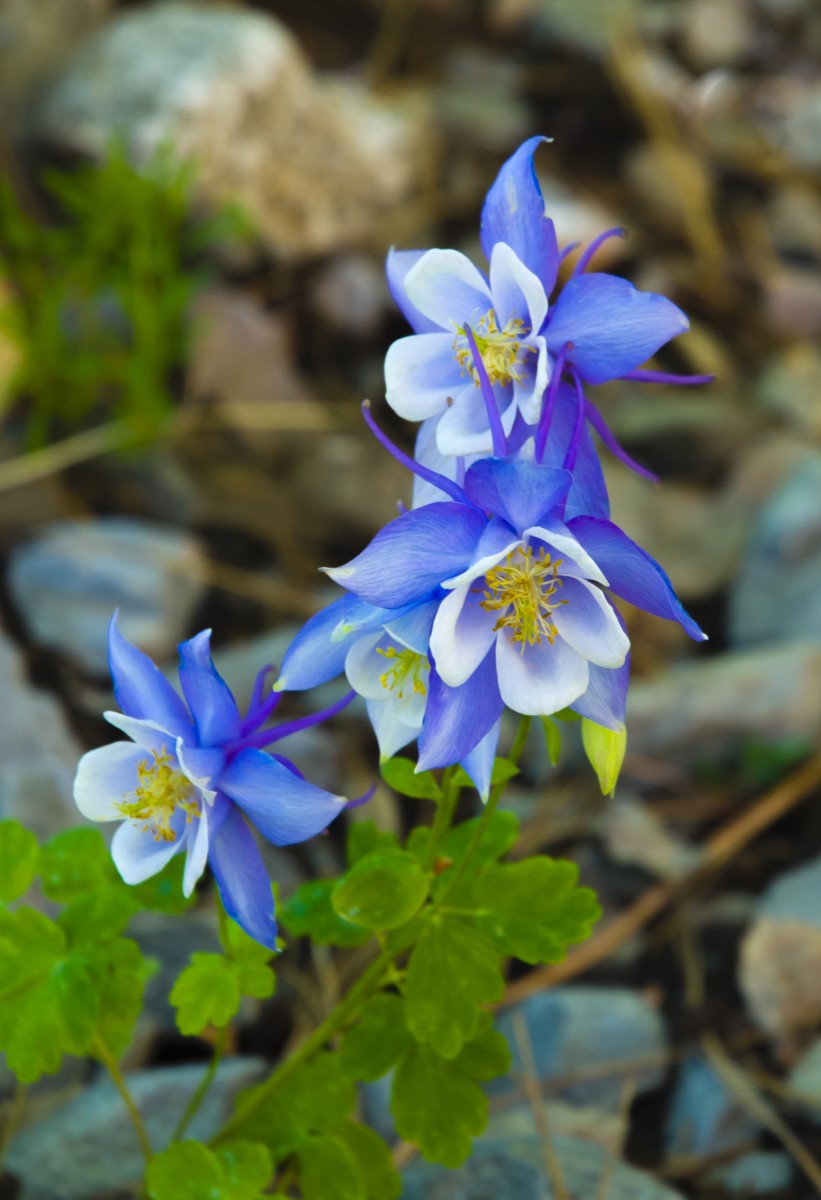
Plant based medicine as cure
Both larkspur and wolfsbane have been used as medicines, but it's crucial to understand that this is not a "cure" in the modern sense. Their use is an extremely high-risk, traditional practice that involves deadly poisons, and they are not approved for self-treatment. The line between a therapeutic dose and a lethal one is incredibly narrow.
Here is a breakdown of their historical use and the modern scientific perspective.
? Historical and Traditional Use
Traditional Medicine: The roots of Aconitum (wolfsbane/monkshood) species have a long history in Traditional Chinese Medicine (TCM) and other Eurasian systems. After careful and extensive processing (like boiling or steaming) to reduce their extreme toxicity, they were used as oral analgesics for rheumatism, joint pain, and other pains.
Unani Medicine: In the Unani system of South Asia, Delphinium denudatum (a larkspur relative) is considered an important drug, with its roots used for conditions like nerve pain, fungal infections, and toothaches.
Historical Western Use: Aconite was introduced into modern Western medicine in the 18th century by physician Anton von Stoerck, who used it for various ailments including joint pain, gout, paralysis, and neuralgia.
External Use: A substance called "delphinia," extracted from the seeds of another larkspur relative (Staphysagria), was historically applied externally to treat neuralgia (like tic douloureux), paralysis, and rheumatism.
? Modern Perspective: From Poison to Potential
The Toxin is the Source: Both plants produce complex chemicals called diterpenoid alkaloids, which are responsible for their toxicity by affecting sodium channels in nerves and muscles, potentially causing paralysis and deadly heart arrhythmias.
Identified Medical Potential: Despite being poisons, these same compounds have shown potential for combating pain, malaria, cancer, and pests.
A Scientific Breakthrough: A major hurdle has been the incredible complexity of these molecules. For instance, aconitine, one of the best-known compounds from wolfsbane, has never been successfully synthesized in a lab since it was isolated almost 200 years ago.
Recent Discovery: However, in 2026, researchers at Michigan State University and the Czech Academy of Sciences announced a landmark achievement. For the first time, they mapped the initial steps of the plants' own biochemical pathway to create these alkaloids.
The Goal: By identifying the genes and enzymes involved, scientists can potentially produce these valuable compounds in a lab (using "biofactories" like tobacco plants) in a safer, more controlled way. This could open the door to developing new, naturally-derived therapeutics.
These need to be used with care of course but perhaps may provide a ray of hope to many,
By Jamuna Rangachari



Discussion (0)
No comments yet. Be the first to comment!
Leave a Comment
You need to login to post a comment.