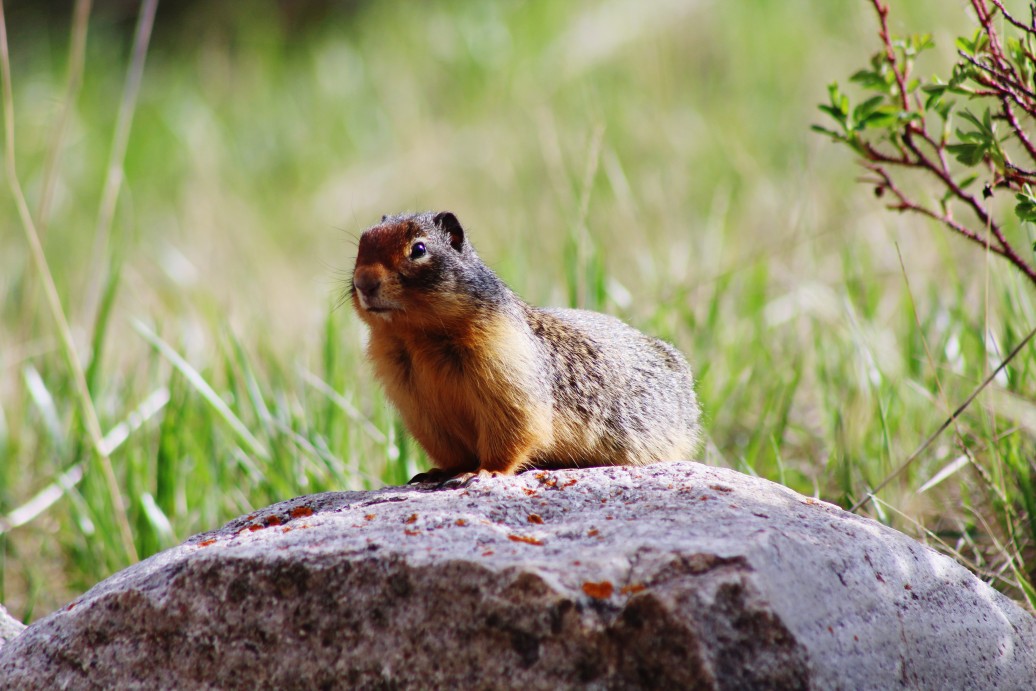
Rocky Mountains revive yellow-bellied marmots
Based on available research, reviving local populations of yellow-bellied marmots in the Rocky Mountains appears to offer significant ecological benefits. These benefits include restoring their role in the food web, supporting ecosystem stability, and providing valuable insights into how species adapt to environmental changes.
Why Are They Important for the Ecosystem?
Even though yellow-bellied marmots are not currently endangered, local populations can decline due to historical human activities like pest control or habitat changes. Recovering these groups can restore critical ecological functions:
Key Prey Species: They are a vital food source for a wide range of predators, including coyotes, raptors, martens, weasels, foxes, and black bears. A healthy marmot population supports the broader food web.
Ecosystem Engineers: Their burrowing activity can help aerate soil and their foraging influences plant communities, contributing to the overall health of the alpine and subalpine ecosystems they inhabit.
Remarkable Resilience: Paleontological studies show that yellow-bellied marmots have maintained a stable dietary ecology in the Rocky Mountains for over 45,000 years, demonstrating their ability to persist through major climate shifts. This suggests they are a resilient and important component of the high-elevation environment.
Can Habitat Restoration Help?
Evidence from a restoration project in Montana shows that targeted habitat enhancement can effectively revive a decimated marmot population.
A Remarkable Recovery: In one case, a population of only three marmots rebounded to 54 individuals after a habitat enhancement project that included constructing security log piles for shelter and burrowing.
Positive Population Response: The marmots expanded geographically into the enhanced areas, and adult females successfully reproduced in all new areas. This shows that active restoration can reverse the effects of long-term habitat degradation.
Why is Their Revival Important for Science?
The yellow-bellied marmot population near the Rocky Mountain Biological Laboratory (RMBL) in Colorado is one of the world's longest-running studies of individually marked mammals, spanning over 60 years.
A Window into Climate Change: This long-term study provides invaluable data on how climate change—especially the warming winters and variable snowpack—directly impacts wildlife. For instance, researchers linked the historically poor snowpack in 2025-2026 to the largest die-off of marmots ever recorded in the study, highlighting their vulnerability to changing conditions. Reviving and protecting populations is essential for continuing this critical research.
Understabe.nding Animal Adaptations: The Marmot Project's data has helped scientists understand animal social behavior, population dynamics, and how they adapt to harsh seasonal environments.
What is Being Done to Help?
Recent conservation efforts, like the first-ever "Fat Marmot Week" in Colorado, are raising public awareness and funds to support marmot research and conservation.
The Goal: The event educates people about the challenges marmots face and the importance of their survival, while raising funds for research programs like the RMBL Marmot Project.
Innovative Fundraising: The Marmot Project has also used creative methods like a PG-rated social media account and a community-developed cryptocurrency to secure funding when faced with financial shortfalls.
Ultimately, reviving yellow-bellied marmot populations is not just about protecting one species. It's about restoring the ecological balance of the high Rockies, maintaining a crucial thread in the food web, and preserving a vital, decades-long scientific study that helps us understand the impact of climate change on our mountain ecosystems.
We hope we all follow this path to revive our ecosystem wherever we may be.
By Jamuna Rangachari



Discussion (0)
No comments yet. Be the first to comment!
Leave a Comment
You need to login to post a comment.