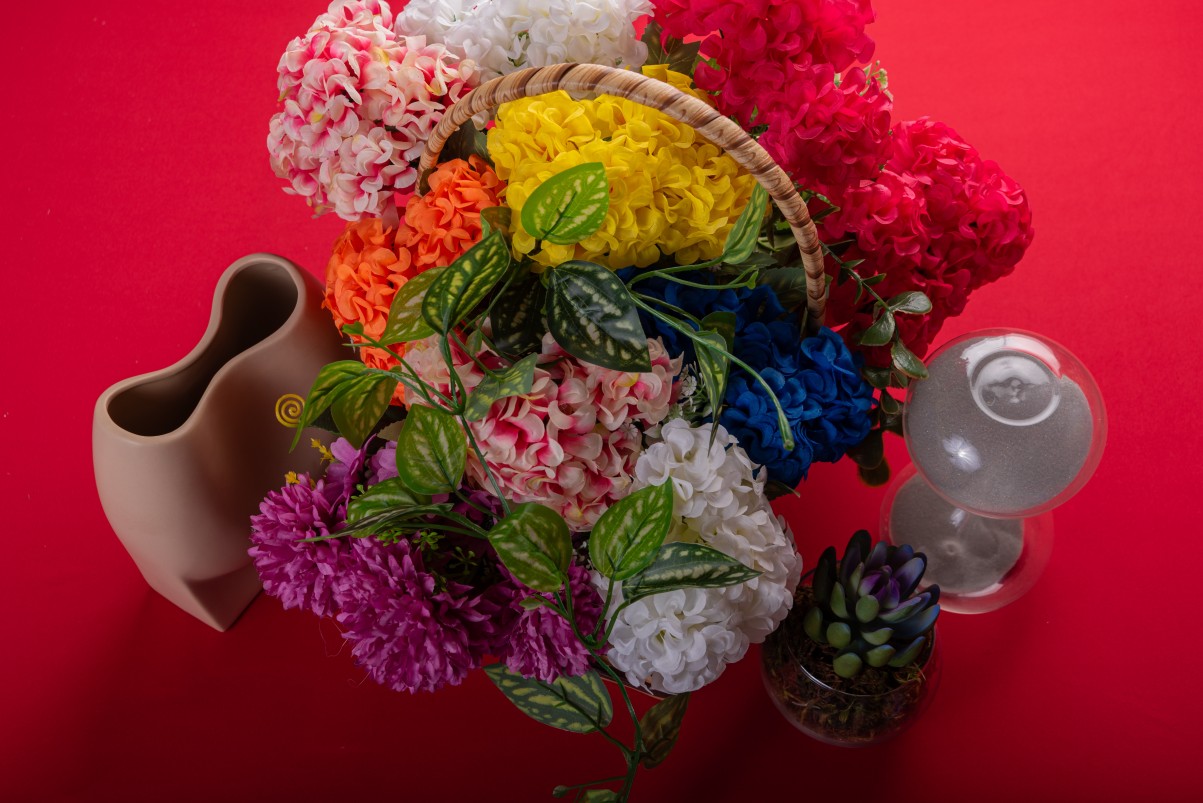
Sri Venkateshwara University at Tirupati in India makes an environmental offering
Flower recycling, especially in countries with large religious offerings, is a powerful way to turn pollution into valuable products. In India, for example, millions of tonnes of flowers discarded in rivers cause significant pollution and release toxins . Several innovative initiatives are addressing this:
Recently, a twelve day pilot project at Sri Venkateswara University tested a single reactor that converted 10 different waste streams, from temple flowers to plastic bottles, into biofuels, fertilisers and industrial materials, with virtually nothing left for landfills.
Large-Scale Upcycling: Companies like Phool.co collect floral waste from temples and transform it into organic fertilizers ("Mitti"), natural incense, and even a vegan leather alternative called 'Fleather' . This process also provides stable income and benefits for women who were formerly manual scavengers .
Widespread Impact: This movement is growing across India. The Mahalakaleshwar Temple in Ujjain processes 5-6 tonnes of daily floral waste into compost and biofuels, while the Siddhivinayak Temple in Mumbai partners with startups to turn flowers into natural dyes for textiles . Startups like HolyWaste in Hyderabad prevent over 1,000 kg of flowers per week from clogging waterways and landfills .
For Individuals at Home: You can apply this principle on a small scale. After a puja or with wilted flowers from home, simply separate them from any non-biodegradable materials and add them to your home compost. They are rich "green" materials that, when balanced with "browns" like dried leaves, create excellent compost for your garden .
Recycling Plastic: A Complex and Critical Challenge
Recycling plastic is more technically complex due to the variety of polymers and contamination issues. Globally, only about 9% of plastic waste is effectively recycled . However, several methods exist to manage this waste:
Mechanical Recycling: This is the most common method. It involves collecting, sorting, washing, shredding, and melting plastics to create new products . While simple and cost-effective, this process can degrade the plastic's quality, limiting the number of times it can be recycled .
Chemical Recycling: This advanced method breaks plastics down into their basic chemical components (monomers) to create high-quality materials similar to new plastic . While promising, it faces challenges in scalability and economic viability .
Turning Trash into Art: On a personal level, plastic waste can be given a creative second life. For example, plastic bottles can be cut and shaped into beautiful, long-lasting decorative flowers for bouquets or art projects . This is a fun way to engage with the concept of recycling creatively.
Ultimately, dealing with both waste streams requires a shift in perspective. For flowers, it's about seeing organic waste as a resource. For plastic, it requires supporting systemic changes like improved recycling technologies and policies, while also finding creative uses for the plastic we already have .
by Jamuna Rangachari


Discussion (0)
No comments yet. Be the first to comment!
Leave a Comment
You need to login to post a comment.