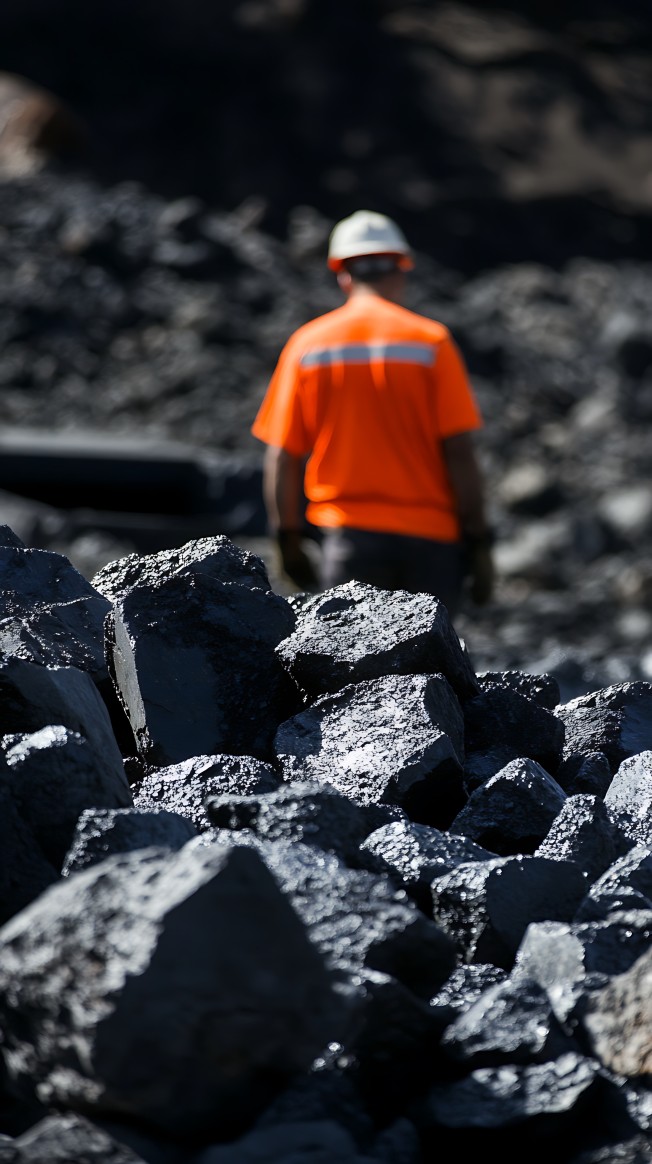
UK stops the plan to build a new coal mine
In a victory for environmentalists, UK stops the plan to build a new coal mine.
Harmful Effects of Coal Mines
Coal mining has profound and far-reaching harmful effects that degrade the environment and pose serious risks to human health. The impacts are extensive, affecting the air we breathe, the water we drink, and the land we live on.
? Air Pollution
Coal mining operations release massive quantities of particulate matter and toxic gases into the atmosphere.
Toxic Dust and Particulates: Mining activities, especially in open-cast mines, generate high levels of Suspended Particulate Matter (SPM), PM10, and PM2.5. Studies in Indian coal fields have recorded alarmingly high concentrations, with PM2.5 levels over 540 µg/m³ near mining roadsides, and SPM concentrations reaching up to 999 µg/m³. These fine particles can penetrate deep into the lungs.
Hazardous Gases: The extraction and combustion of coal release a cocktail of harmful gases including sulfur dioxide (SO?), nitrogen oxides (NOx), carbon monoxide (CO), and methane (CH?). These gases contribute to smog, acid rain, and are potent greenhouse gases.
Regional Temperature Increases: The industrial activity and changes in land cover associated with coal mining have been linked to localized temperature increases. In some mining regions, satellite data shows land surface temperatures rising to between 34°C and 41°C.
? Water Contamination and Scarcity
Mining severely impacts both the quality and quantity of water resources, creating a critical issue for communities that depend on them.
Acid Mine Drainage (AMD): This is one of the most significant and widespread problems. When mining exposes sulfide minerals (like pyrite) in rocks to water and air, it forms sulfuric acid. This acidic water then leaches heavy metals from the surrounding rock, contaminating groundwater and surface water.
Heavy Metal Poisoning: Studies consistently find that water sources near coal mines are contaminated with toxic heavy metals such as lead (Pb), chromium (Cr), nickel (Ni), iron (Fe), copper (Cu), and cadmium (Cd), often at levels far exceeding safe drinking limits. For example, one study found that over 95% of water samples in a mining area exceeded safe limits for lead and nickel.
Health Risks from Contaminated Water: Consuming water polluted with these heavy metals poses significant health threats. Lead and chromium, for instance, have been linked to non-carcinogenic risks in children. The total carcinogenic risk from metals like lead, chromium, and nickel in drinking water has been found to exceed acceptable thresholds by thousands of times.
Groundwater Depletion: Mining operations often require pumping large volumes of water from underground to keep mines dry. This lowers the water table, leading to water scarcity, drying up wells, and causing socioeconomic stress for local communities who rely on groundwater for drinking and agriculture.
? Land Degradation and Ecosystem Loss
The physical act of mining transforms landscapes, causing permanent damage and displacing communities.
Deforestation and Habitat Loss: Large-scale mining leads to the clearing of vast tracts of forest and agricultural land. One study found that over a 40-year period in a single mining region, approximately 51 km² of forest and 33 km² of cultivated land were lost due to mining expansion.
Land Subsidence: Underground mining can cause the ground above to collapse, leading to land subsidence. This can damage buildings, infrastructure, and permanently alter the topography of an area.
Soil Contamination: Toxic heavy metals from mining operations can accumulate in the soil, severely degrading its quality and creating risks for human health through ingestion, inhalation, and dermal contact. Studies show that children are particularly vulnerable to carcinogenic risks from metals like chromium in contaminated soil.
? Human Health Impacts
Exposure to the pollutants generated by coal mines leads to a range of severe and often chronic health problems.
Respiratory Illnesses: Inhalation of coal dust and fine particulate matter is the primary cause of Coal Workers' Pneumoconiosis (CWP), or "black lung disease," a severe and often fatal respiratory condition. Research indicates that bioavailable iron in respirable coal dust triggers inflammatory responses and cytotoxicity in lung cells, leading to fibrosis.
Systemic and Chronic Diseases: Beyond respiratory issues, long-term exposure to heavy metals and other pollutants from coal mining is linked to an increased risk of various cancers, kidney dysfunction, neurological disorders (such as cognitive impairment in children from lead exposure), and cardiovascular diseases.These harmful effects are interconnected. For instance, air pollution from mines can settle on land and water, further contaminating them, which demonstrates the comprehensive environmental and health burden of coal mining.
By Jamuna Rangachari



Discussion (0)
No comments yet. Be the first to comment!
Leave a Comment
You need to login to post a comment.