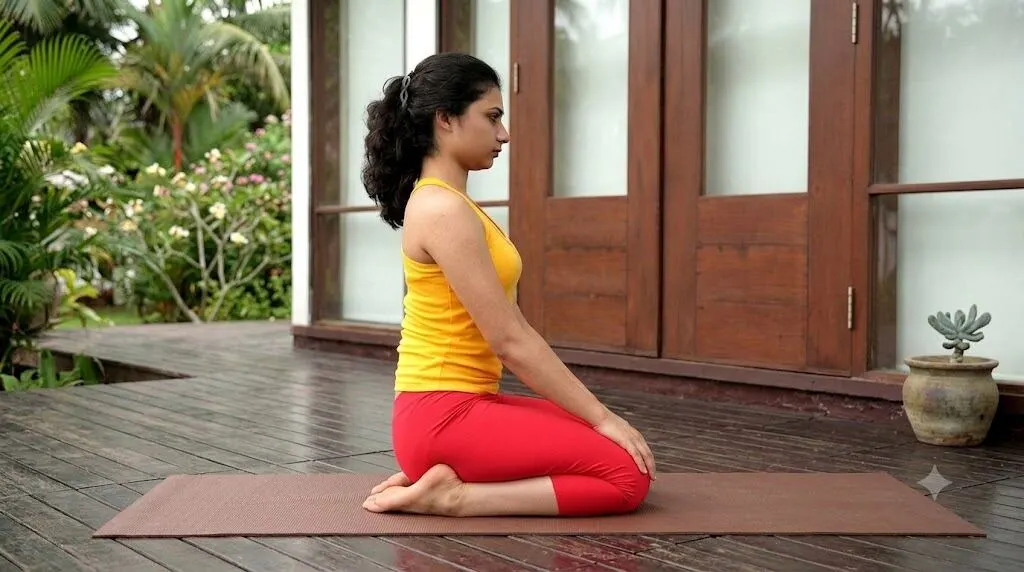
Yoga for Acid Reflux: Soothing Asanas
Yoga for acid reflux entails performing mild postures, deep diaphragmatic breathing exercises, and digestion-specific twists.
Acid reflux is managed through yoga as a gentle, natural way to manage inflammation within the digestive tract, control stomach acid levels, and reduce pain associated with heartburn. The condition of acid reflux and GERD is caused by the malfunctioning of the LES muscles, which become weak or relaxed, thereby allowing the harsh stomach acids to move into the esophagus.
Key Takeaways
- Vagal Nerve Stimulation: Slow, intentional breathing stimulates the vagus nerve, shifting the body out of "fight-or-flight" mode and into a parasympathetic "rest-and-digest" state.
- Intra-Abdominal Pressure Relief: Avoiding heavy core compression prevents physical squeezing of the stomach that forces acid upward into the esophagus.
- Enhanced Gastrointestinal Motility: Gentle, upright postures encourage downward movement of food and gastric juices through gravity.
The Physiological Impact of Yoga for Acid Reflux
Selected yoga poses help maintain a healthy esophagus and stomach via physiologically understandable ways:
1. LES Stabilization: An upright position, along with a slight restorative yoga practice, helps keep the junction between the stomach and the esophagus in an upright position to avoid the leakage of acid.
2. Reduction of Stress-Related Hyperacidity: Persistent stress causes a release of cortisol, which leads to disruption of the mucous layer of the stomach and increases acid production in the stomach. Yoga reduces stress levels.
3. Support of Diaphragm: Diaphragm strengthening provides structural support to the LES.
Gentle Yoga for Acid Reflux Relief - Key Asanas
The following table details six restorative asanas designed to ease acid reflux, reduce gastrointestinal tension, and promote comfortable digestion:
|
|
|
|
|
|
|
|
|
|
|
|
|
|
|
|
|
|
|
|
|
|
|
|
|
|
|
|
|
|
|
|
|
|
|
How to Perform Yoga for Acid Reflux
Many individuals suffering from chronic GERD rely on gentle yoga for acid reflux to relieve abdominal tightness naturally.
- Vajrasana (Thunderbolt Pose): Kneel down onto the yoga mat with your toes touching each other while spreading your heels. Lean back and relax your body by sitting back on your heels with a straightened spine. Let your hands rest on your knees and breathe calmly (one of the only poses that can be done right after meals).
- Viparita Karani (Legs-Up-the-Wall Pose): Get as close as possible to the wall and lift your legs and sit down with your legs resting on the wall, lying flat on your back on the mat (a soft bolster should support your lower back and allow you to raise your chest above your abdomen a little bit).
- Pawanmuktasana (Wind-Relieving Pose): Lie down on the mat with your back flat, bend one leg at your knee, drawing it towards your body (but not pressing it harshly against your abdomen) and holding for several breaths; then do the same for the other leg.
- Supta Baddha Konasana (Reclining Bound Angle Pose): Lie down over a yoga bolster, with your chest and head raised above your belly; press the soles of your feet to each other and open your knees.
- Marjaryasana-Bitilasana (Cat-Cow Pose): Begin on all fours with wrists under shoulders; gently arch your back on an inhale to drop the belly mildly, then exhale to round the spine smoothly without compressing the torso tightly.
- Savasana (Elevated Corpse Pose): Lie on your back with a bolster or folded blankets supporting your head, neck, and upper back to keep your head higher than your stomach, closing your eyes and letting your entire body relax completely.
Digestive Symptoms and Risks Prevented
Practising yoga for acid reflux helps activate the parasympathetic nervous system to reduce stress-induced hyperacidity.
- Esophageal Mucosal Erosion: Keeps acid down to protect the delicate lining of the esophagus from chronic chemical irritation and inflammation.
- Stress-Triggered Acid Spikes: Calms emotional and psychological stress that triggers excessive gastric acid production.
- Abdominal Bloating and Gas Build-Up: Promotes gentle peristaltic movement through the digestive tract to clear trapped gas and discomfort.
- Post-Meal Indigestion: Enhances circulation to digestive organs, aiding smooth breakdown and absorption of nutrients.
Precautions
A gentle evening sequence of gentle yoga for acid reflux eases nighttime indigestion and promotes restful sleep. Follow these measures:
- Avoid Deep Forward Bends: Do not practice deep forward folds like Uttanasana or Paschimottanasana when experiencing acidity; bending deeply at the waist squeezes the stomach and forces acid upward.
- Skip Inversions Entirely: Avoid full inversions such as Headstands (Sirsasana), Shoulderstands (Sarvangasana), or Downward-Facing Dog (Adho Mukha Svanasana) during active reflux, as gravity will pull stomach acid directly into the throat.
- Never Practice on a Full Stomach: Except for Vajrasana, wait at least 2 to 3 hours after a main meal before engaging in a yoga practice.
- Avoid Intense Core Compression: Omit intense abdominal crunches, deep boat poses (Navasana), or tight twisting postures that increase intra-abdominal pressure.
Restoring Balance to Your Digestive Health
Integrating yoga for acid reflux into your daily wellness routine provides an accessible, non-pharmacological way to soothe your digestive tract. By prioritizing upright alignment, chest-elevated resting poses, and stress-reducing breathing techniques, you give your body the space and calm it needs to digest efficiently.
Coupled with balanced nutrition and proper meal timing, gentle yoga for acid reflux builds long-term digestive resilience and lasting comfort.
Frequently Asked Questions (FAQs)
1. Can I do yoga straight after eating in case I have acid reflux?
Yoga poses should be avoided for 2 to 3 hours after eating, but not Vajrasana pose. Sitting upright in Vajrasana for 5 to 10 minutes immediately after eating assists with digestion and prevents acid from flowing back into the throat.
2. Why are inversions bad for acid reflux?
When doing inversions, the hips and stomach will be located above the heart and head because gravity causes pooling of stomach contents and acid close to the lower esophageal sphincter, leading to leakage into the throat.
3. How can deep breathing help me relieve acid reflux symptoms?
Deep breathing exercises decrease heart rate, reduce stress hormones responsible for acid production, and strengthen diaphragm muscles around the lower esophageal sphincter.
4. What is the best posture to lie down if I start to feel heartburn coming?
Either sit in an upright position or lie down on a high pillow so that the head and torso are elevated by at least 30 to 45 degrees compared to the stomach. Lying on the left side will keep the stomach cavity below the esophageal junction.
Disclaimer: The content on LifePositive.com, including articles/blogs on yoga, acupuncture, naturopathy, and other alternative healing modalities for holistic wellness, is for informational and educational purposes only. It is not a substitute for professional medical advice, diagnosis, or treatment. Always consult a qualified healthcare provider before starting any new health protocol or making changes to an existing treatment plan.
Also Read: Complex Stress
By Umesh Kumar Khiri

.png)

Discussion (0)
No comments yet. Be the first to comment!
Leave a Comment
You need to login to post a comment.