Yoga for Stress: 5 Gentle Poses to Calm the Mind
Stress does not always make its presence known; at other times, it is characterized by restlessness of mind, tight shoulders, quick breathing, insomnia, or the sensation of always being in a hurry. Although stress is a natural occurrence in the lives of people, finding time to slow down can be significant. Yoga becomes one of those pauses, combining movement, breathing, and attention. It should not be considered a remedy for each stressful episode but rather a practice that can help achieve physical relaxation and a heightened mental state of awareness.
Yoga Poses for Stress Relief
|
|
|
|
|
|
|
|
|
|
|
|
|
|
|
|
|
|
|
|
|
|
|
|
Benefits of Yoga for Stress
|
|
|
|
|
|
|
|
|
|
|
|
|
|
|
|
|
|
|
|
|
|
|
|
How to Practise Yoga for Stress
You don't have to have a complicated or strenuous session to start with. Here is a simple routine that you can try:
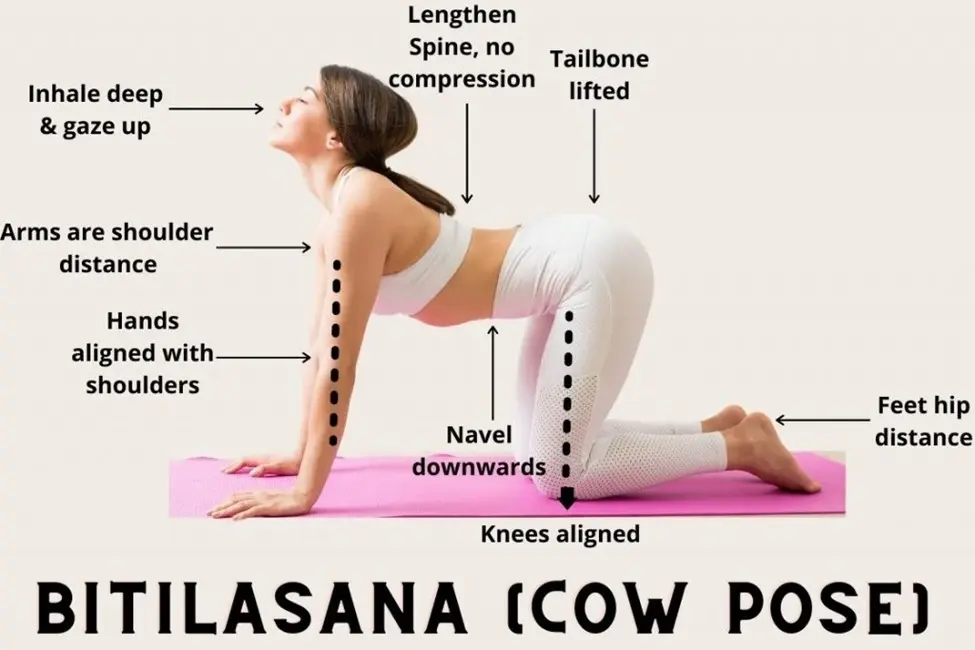
- Do Bitilasana using slow and steady movements along with breathing.
- Take some relaxing breaths while being in Balasana.
- Then sit in Sukhasana and concentrate on breathing.
- Do Viparita Karani as a relaxed period of time in this posture.
- End with Savasana.
- The point is not to perform complicated poses. Comfortable movement and regular practice will bring more benefits than pushing your body.
Precautions
- Avoid stretching to a point where it causes pain.
- Proceed slowly, especially when moving from one position to another.
- Utilize cushions or blankets for support when necessary.
- Make adjustments to positions if you have limitations on movement or balance issues.
- Persons with health issues are advised to consult the relevant health practitioners before embarking on a yoga program.
- If sharp pains, dizziness, numbness, or any kind of unusual sensation occurs, discontinue.
- If you suffer from stress that is chronic and has an effect on your normal functioning, you may want to consult a competent healthcare practitioner.
Wrapping Up
Stress may be unavoidable, but constantly carrying it does not have to become a way of life. Yoga creates a small but meaningful space between the demands of the outside world and your response to them. Through Bitilasana, Viparita Karani, Sukhasana, Balasana, and Savasana, you can gradually bring attention back to your breath, body, and present moment.
The most effective practice is not necessarily the longest or most challenging one. A few mindful minutes repeated consistently can be a powerful beginning. Let your yoga practice become a daily invitation to slow down, breathe deeply, and give your mind the room it needs to reset.
FAQs
1. What is the best yoga pose for immediate relaxation?
There are some mild poses that one can try out, such as Viparita Karani, Balasana, and Savasana, that may prove useful in this case.
2. Can one do yoga for stress management as a beginner?
Yes. Yoga practice for stress relief does not require one to be flexible or strong.
3. How much time should I spend on yoga for stress relief?
There is no specific amount of time, since even a short but regular practice will allow you to take a break, focus on your breath, and body sensations. Additionally, Healthline advises beginning with meditation for several minutes.
4. Can breathing exercises be incorporated into my yoga practice?
Of course, you can combine yoga postures with breathing exercises called pranayama.


Discussion (0)
No comments yet. Be the first to comment!
Leave a Comment
You need to login to post a comment.