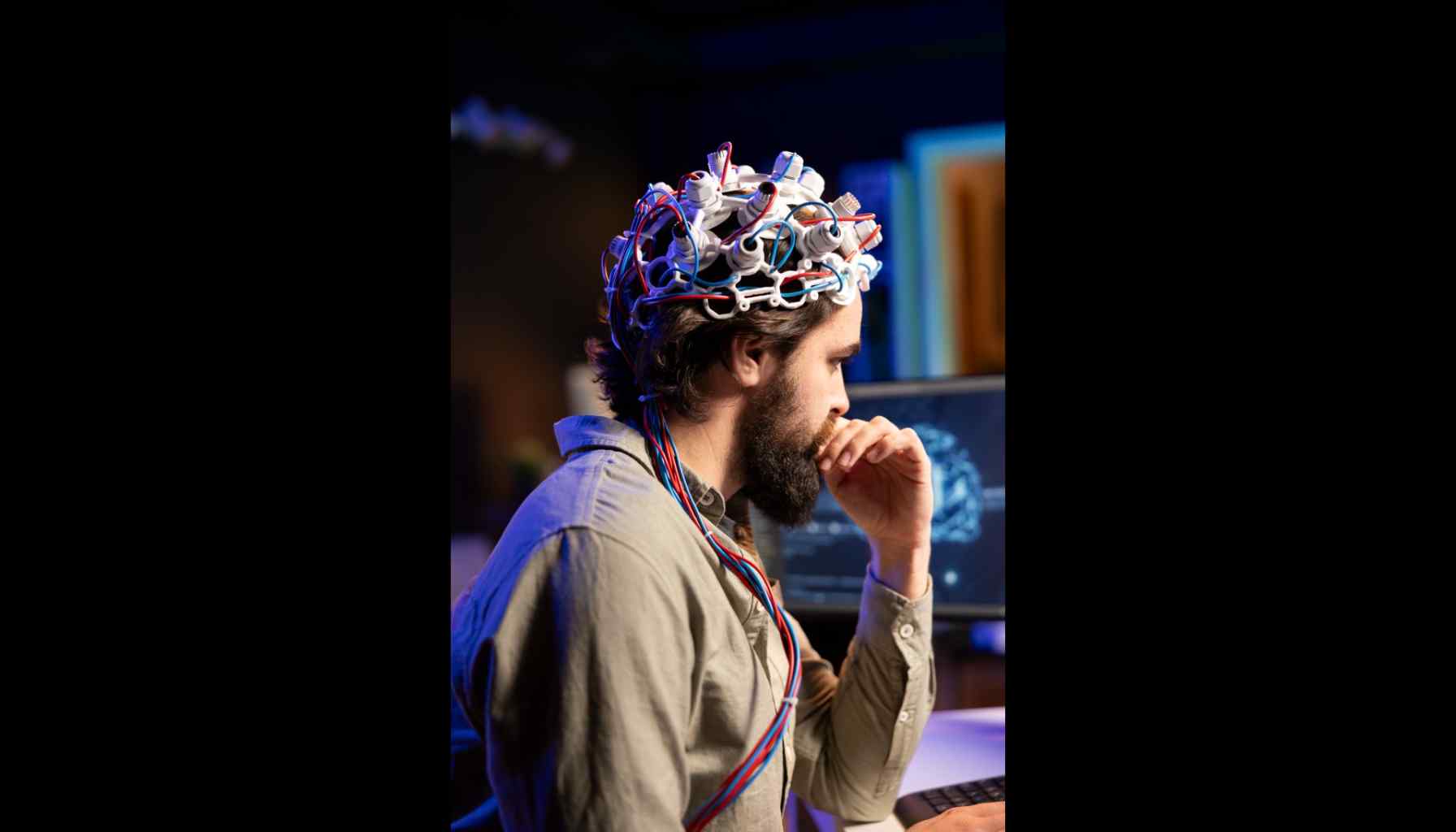
Acquire new skills for brain agility : Process, Methodoly and Benefits
Introduction
The human brain is not meant to remain static. Throughout life, it responds to experiences, challenges, practice and new information. Learning a new language, playing a musical instrument, preparing an unfamiliar recipe, using new technology or developing an artistic skill can provide opportunities to think differently and remain mentally engaged.
Brain agility refers broadly to the ability to adapt to new information, shift between tasks, solve problems and continue learning. One important concept behind this adaptability is neuroplasticity, the brain's capacity to change its connections and functioning in response to experience and learning.
Lifelong learning does not have to mean formal education or academic study. It can be a simple, enjoyable and purposeful part of everyday life. The key is to introduce novelty, practise regularly, work through challenges and remain curious.
Learning new skills may help exercise attention, memory, problem-solving, creativity and mental flexibility. When combined with physical activity, nutritious food, adequate sleep, stress management and social engagement, lifelong learning can become part of a broader approach to cognitive wellness.
Learning New Skills for Brain Agility
Learning is an active process. When we attempt something unfamiliar, the brain must pay attention, process information, remember instructions, make decisions and correct mistakes.
For example, learning to play a new musical instrument involves listening, remembering sequences, coordinating movement and responding to feedback. Learning a language involves vocabulary, pronunciation, memory and communication. Even learning to use a new digital application can require problem-solving and adaptability.
The objective is not to become an expert in everything. Rather, it is to keep the mind curious and engaged through meaningful challenges.
Understanding Brain Agility and Lifelong Learning
Neuroplasticity and Mental Adaptability
Neuroplasticity describes the brain's ability to modify its structure and function in response to experiences. Learning and repeated practice can strengthen or reorganise neural connections.
This does not mean that the brain can be kept permanently young through one particular activity. Instead, it highlights the brain's continuing capacity to adapt throughout life.
Trying unfamiliar activities can encourage us to move beyond established routines. Over time, this may support adaptability and willingness to approach new situations.
Learning, Memory and Cognitive Engagement
Learning requires different cognitive processes. We may need to remember instructions, concentrate on details, retrieve previously learned information and connect new knowledge with existing knowledge.
Active learning can therefore provide regular opportunities to practise these abilities. Reading about a subject is useful, but actively applying what we learn—such as speaking a new language or playing a musical passage—usually involves deeper engagement.
Novelty, Challenge and Brain Stimulation
Routine activities are often performed automatically. New activities require greater conscious attention.
Novelty can make the brain more alert because it encounters unfamiliar information and situations. A useful learning activity should therefore be neither completely effortless nor overwhelmingly difficult.
The ideal challenge encourages concentration while remaining achievable with practice.
Skill-Learning Methodology
Choosing a Meaningful New Skill
Start with something personally meaningful. A skill connected with an existing interest is easier to practise consistently.
Possible choices include:
-
Learning a new language
-
Playing an instrument
-
Painting or drawing
-
Gardening
-
Photography
-
Cooking
-
Public speaking
-
Computer skills
-
Dancing
-
Writing
-
Singing
-
Handicrafts
Personal relevance can transform learning from a duty into an enjoyable experience.
Breaking Skills Into Manageable Steps
Large goals can seem intimidating. Divide them into smaller components.
Someone learning a language, for example, can begin with common words and simple conversations rather than attempting to master grammar immediately.
Small steps provide frequent opportunities for progress and make practice easier to incorporate into everyday life.
Combining Practice, Feedback and Repetition
Practice is essential for skill development. Feedback helps identify what needs improvement, while repetition helps reinforce learning.
Instead of repeatedly practising only what is already easy, include areas that require additional attention.
A teacher, mentor, classmate or learning application can provide useful feedback.
Increasing Challenge Gradually
Once the basics become comfortable, increase the level of difficulty.
A beginner pianist might progress from simple melodies to more complicated pieces. A language learner might move from individual words to sentences and conversations.
Gradual progression prevents boredom while reducing the risk of becoming overwhelmed.
The Process of Learning a New Skill
Setting Clear Learning Goals
A clear goal gives learning direction.
Instead of saying, "I want to learn Spanish," a more specific goal might be, "I want to hold a five-minute basic conversation in Spanish within three months."
Goals can be adjusted according to age, available time, previous experience and personal circumstances.
Building Foundational Knowledge
Every skill has basic principles. Understanding these foundations makes later learning easier.
Spend some time learning essential terminology, concepts and techniques before moving into advanced material.
Practicing Consistently
Consistency is generally more useful than occasional intense practice.
Twenty or thirty minutes of focused learning several times a week may be easier to sustain than several hours of practice once a month.
Regular practice also creates a habit and keeps the skill familiar.
Applying Skills in Real Situations
Application transforms knowledge into practical ability.
A person learning cooking can prepare a new dish. Someone learning photography can photograph different subjects. A language learner can practise conversations.
Real-world application also reveals which areas need further practice.
Reviewing Progress and Adapting Practice
Periodically ask:
-
What have I learned?
-
What remains difficult?
-
What do I enjoy most?
-
Where do I need guidance?
-
Should I change my learning method?
This reflection keeps learning purposeful rather than mechanical.
Potential Benefits of Learning New Skills
Cognitive Engagement and Mental Flexibility
Learning unfamiliar skills requires attention, processing and adaptation. Regular exposure to new challenges may therefore help keep the mind actively engaged.
Mental flexibility also involves changing strategies when the first approach does not work.
Memory and Attention Practice
Learning provides opportunities to remember information and sustain attention.
Memorising vocabulary, musical notes, steps in a recipe or instructions for a new software program can all involve memory.
However, improvement in one particular skill does not necessarily mean that every aspect of cognition will improve equally.
Problem-Solving and Creativity
Many learning activities involve experimentation.
A craft project may require finding a solution when something goes wrong. Cooking can involve adjusting ingredients. Music and art encourage experimentation with rhythm, colour and form.
Such experiences can nurture flexible thinking and creativity.
Confidence and Sense of Achievement
Learning something that initially seems difficult can provide a sense of accomplishment.
Progress may also encourage people to approach other challenges with greater confidence.
The emphasis should be on personal improvement rather than comparison with others.
Social Connection and Personal Growth
Many learning activities naturally create social opportunities.
Classes, clubs, workshops and group projects can bring people together around shared interests. Social interaction itself is an important component of overall wellbeing.
Skills That Keep the Brain Engaged
Learning a New Language
Language learning involves listening, speaking, reading, vocabulary and memory.
Practising everyday conversations can make the process more enjoyable. Watching familiar programmes with subtitles or using simple phrases in daily life can provide additional practice.
Music and Creative Arts
Music, singing, painting, drawing, photography and creative writing can combine attention, memory, coordination and imagination.
Creative activities can also provide emotional expression and enjoyment.
Puzzles, Games and Problem-Solving
Crosswords, Sudoku, chess, strategy games, jigsaw puzzles and logic problems can provide structured mental challenges.
Variety is useful because different activities engage different skills.
Technology and Digital Skills
Learning to use smartphones, digital photography, online communication tools, spreadsheets or other software can promote adaptability.
Digital learning can also help people remain connected with an increasingly technology-driven world.
Cooking, Crafts and Practical Skills
Practical learning can engage the brain through planning, sequencing, coordination and problem-solving.
Cooking, gardening, knitting, woodworking, sewing and similar activities provide opportunities to learn while producing something tangible.
Creating a Brain-Friendly Learning Routine
Short, Consistent Learning Sessions
Set aside a manageable period for learning.
A 20–30-minute session can be sufficient for many activities. The duration can be adjusted according to individual energy and concentration.
Alternating Different Types of Activities
Avoid doing exactly the same activity every day.
For example:
-
Monday: language
-
Tuesday: music
-
Wednesday: reading
-
Thursday: creative activity
-
Friday: technology
-
Weekend: practical or social learning
This creates variety and maintains interest.
Combining Mental and Physical Activities
Cognitive wellness is not only about mental exercises.
Walking while listening to an educational podcast, dancing while learning new movements or gardening while learning about plants can combine physical and mental engagement.
Rest, Sleep and Recovery
Learning also requires adequate recovery.
Sleep supports memory consolidation and overall brain functioning. Taking breaks during learning can help maintain attention and reduce mental fatigue.
Lifestyle Habits That Support Cognitive Wellness
Regular Physical Activity
Regular physical activity supports overall health and is associated with benefits for brain health. Walking, cycling, swimming, yoga and strength exercises can be incorporated according to individual ability.
Balanced Nutrition and Hydration
The brain requires adequate energy and nutrients.
A balanced diet containing vegetables, fruits, whole grains, pulses, nuts, seeds and appropriate sources of protein can support overall health. Adequate hydration is also important.
Quality Sleep and Recovery
Good Sleep is important for attention, memory, mood and daytime functioning.
Maintaining a regular sleep schedule and creating a relaxing bedtime routine can support healthy sleep.
Stress Management and Relaxation
Persistent stress can affect concentration and emotional wellbeing.
Breathing exercises, meditation, yoga, time in nature, hobbies and relaxation practices may help manage everyday stress.
When stress becomes persistent or significantly affects daily functioning, professional support may be appropriate.
Social Engagement and Meaningful Activities
Human beings benefit from meaningful connection.
Spending time with family, participating in community activities, volunteering or joining interest groups can provide intellectual and emotional stimulation.
Making Lifelong Learning Sustainable
Choosing Enjoyable and Relevant Skills
The best learning activity is one that you are willing to continue.
Enjoyment creates motivation. Relevance gives the activity purpose.
Maintaining Consistency Over Intensity
Do not attempt too much at once.
Small, regular efforts are generally easier to sustain than ambitious short-term programmes.
Tracking Progress and Celebrating Milestones
Keep a simple learning journal.
Record new words learned, books completed, recipes prepared, songs practised or projects finished.
Celebrating small milestones reinforces motivation.
Embracing Mistakes as Part of Learning
Mistakes are an ordinary part of acquiring a new skill.
Instead of interpreting an error as failure, treat it as information about what requires additional practice.
A compassionate attitude makes learning more enjoyable and sustainable.
Professional and Community Learning Opportunities
Classes and Workshops
Local educational centres, cultural organisations, libraries and community groups may offer courses in languages, music, arts, cooking, technology and other subjects.
Group learning also provides social interaction.
Online Learning and Educational Platforms
These allow learners to study at their own pace.
Video lessons, educational websites, digital libraries and virtual classes can make learning accessible regardless of location.
Hobbies, Clubs and Social Learning
Book clubs, music groups, gardening clubs, art groups and hobby communities offer opportunities to learn collaboratively.
Teaching others can also reinforce one's own knowledge.
Mentors and Skill-Based Guidance
A teacher or mentor can shorten the learning curve by providing structured instruction and personalised feedback.
Building a Lifelong Learning Lifestyle for Cognitive Wellness
The brain thrives on meaningful engagement. Learning something new introduces novelty, requires attention and encourages us to adapt. Whether the activity involves music, language, technology, cooking, art, puzzles or practical skills, the process can become a rewarding part of everyday life.
A sustainable approach begins with curiosity. Choose something meaningful, divide it into manageable steps, practise regularly, receive feedback and gradually increase the challenge. At the same time, allow sufficient rest and recovery.
Most importantly, lifelong learning does not need to feel like hard work. It can be playful, social and deeply satisfying. A person can learn a song, plant a garden, prepare a new dish, explore a new language or discover an unfamiliar subject simply because it is interesting.
When combined with regular physical activity, nutritious food, adequate sleep, stress management and social connection, lifelong learning can become part of a holistic approach to cognitive wellness.
Brain agility is not about keeping the brain busy every moment. It is about remaining curious, adaptable and engaged with life. Every new skill offers an opportunity to discover something, practise something and perhaps see the world from a slightly different perspective.
Wish you all the best for a happy healthy life with an agile brain.
By Jamuna Rangachari



Discussion (0)
No comments yet. Be the first to comment!
Leave a Comment
You need to login to post a comment.