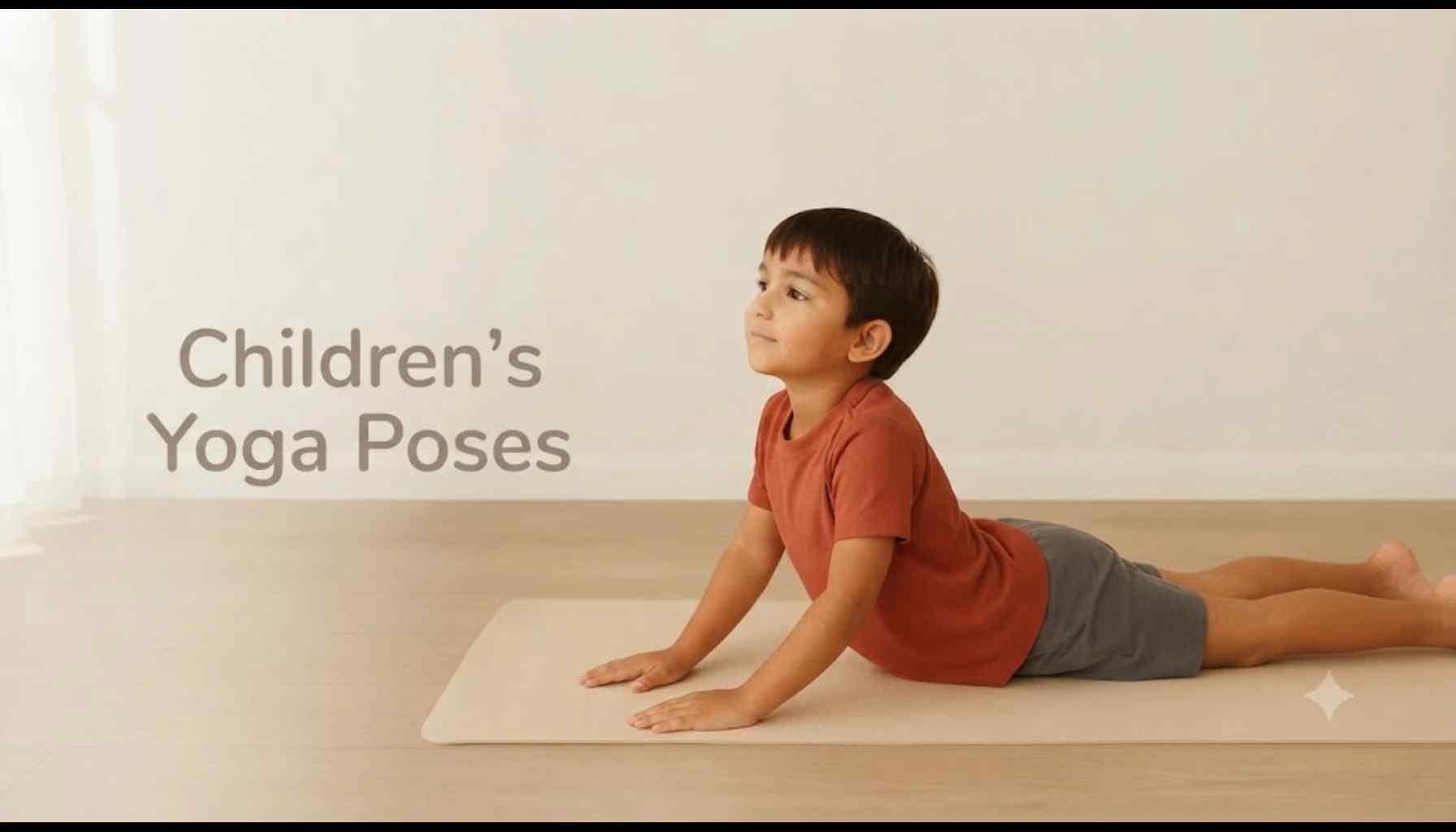
Children's Yoga Poses: 7 Fun Poses
Children's yoga poses turn stretching, balance and calm breathing into a game kids actually want to play. You don't need a studio, special gear or any yoga experience yourself. This guide includes seven playful poses, the benefits, age-by-age tips and a short routine for home or class.
Key Takeaways
- Children's yoga poses work best when they feel like play, not instruction.
- Keep sessions short and gentle, and never push a child into discomfort.
- Combine breathing exercises with poses to develop concentration and inner peace.
Benefits of Yoga for Children
- Strength, flexibility, and balance
- Improves body awareness and coordination
- Increases focus and attention
- Helps kids recognize and cope with strong feelings
- Builds confidence through minor successes
- Encourages better sleeping and easier transitions
- Provides opportunity for easy family bonding
Yoga classes can help to increase attention, improve mood and coping in kids.
At What Age Can Kids Do Yoga?
There is no specific age. Toddlers can imitate basic stretches and slow breathing with an adult. By age four or five, children usually understand short instructions and can participate in storytelling yoga classes. Older kids, about eight to ten years old, are capable of holding poses for longer periods of time and enjoying challenges.
Easy Children's Yoga Poses
Use a mat or a soft surface. Tell your child the golden rule: yoga should feel like a stretch, never like pain.
1. Tree Pose (Balance)
Stand up straight and put one foot against the opposite ankle or leg but not the knee. Stretch out your arms and sway from side to side. Stay for five breaths, then change. This increases balance and focus.
2. Child's Pose (Balasana)
Kneel and sit back on your heels. Then fold forward and bring your head to rest with hands relaxed at your sides. Say softly, "I'm a sleepy seed." This is the go-to pose when children are overly excited or frustrated.
3. Cobra, or Snake Pose (Bhujangasana)
Lay down on your stomach, place your hands near your chest and press your body as you rise up, making a hissing sound on the way up. Hips should stay on the floor. It's great for strengthening the back.
4. Butterfly Pose (Baddha Konasana)
Sitting down, place your feet together and let your knees fall apart. Move your legs up and down slowly and fold slightly forward. It is a gentle way to stretch out tight hip joints.
5. Star Pose (Utthita Tadasana)
Stand with your feet apart and arms extended to the sides. Spread your fingers out wide and shine as brightly as possible.
6. Downward Dog (Adho Mukha Svanasana)
Start on hands and knees, tuck your toes and lift your hips up and back to form an upside-down V. Let your head hang and "wag your tail." Keep it brief for younger kids.
7. Warrior II (Virabhadrasana II)
Step your feet wide, turn the front foot out and bend that knee while stretching arms in both directions. Gaze over the front hand. Ask your child to be a calm, strong warrior, not an angry one.
Add Breathing Games
Breath is the heart of yoga, and kids learn it fastest through imagery.
- Balloon Breath: Inhale while lifting your arms, exhale as the "balloon" slowly deflates.
- Bumblebee Hum: Breathe in through the nose and hum softly on the exhale.
- Smell the Flower, Blow the Candle: Take a deep breath in, then blow out slowly.
A Simple 10-Minute Routine
- Minutes 1–2: Balloon Breath to settle in
- Minutes 3–5: Star Pose, Warrior II and Tree Pose
- Minutes 6–7: Downward Dog and Cobra
- Minutes 8–9: Butterfly Pose and Child's Pose
- Minute 10: Lie down, close your eyes and listen to three sounds
Keep it light and flexible. Some days you will do only two poses, and that still counts.
Tips for Parents and Teachers
- Transform poses into stories. It will be far more interesting for the kid to do a walk through the jungle or go on a mission into space than follow a list of poses to do.
- Give choices. Two pose choices will make children feel that they can have something.
- Practice poses together. Children will imitate everything you do and enjoy.
- Make sure that falling from Tree Pose is a part of the process.
- Pick up the same time every day, after school or before going to sleep.
Tips about Safety
- Do not use deep inversions and long holds for very young children as they lack the ability of doing that.
- Try not to push for flexibility and compare children between themselves.
- Stop when a child feels pain or discomfort.
Tree Pose and Warrior II are suitable for elementary school children, while Child’s Pose and Cobra Pose are suitable for toddlers.
Final Thoughts
Children's yoga poses don't need to be perfect to be powerful. A few minutes of stretching, silly animal sounds and slow breaths can leave kids stronger, calmer and more confident. Start small, follow their lead and keep the mood light.
Frequently Asked Questions
1. What age is best to start children's yoga poses?
Toddlers can enjoy simple stretches and breathing with a parent, while ages four to five suit short, play-based classes. Older kids can handle more structured sessions.
2. What are the easiest yoga poses for kids?
Tree Pose, Child's Pose, Butterfly Pose, Star Pose and Cobra Pose are beginner-friendly children’s yoga poses. They are simple to copy and easy to turn into games.
3. How long should a child practise yoga?
Five to ten minutes suits young children, and older kids can build up to 15 to 20 minutes. Keep it fun, and stop when attention drifts.
4. Is yoga safe for children?
Yes, when practised gently with supervision and no forced stretching. Skip long inversions for very young children and consult a doctor if your child has health concerns.
Also Read: Kids Yoga
By Umesh Kumar Khiri

Discussion (0)
No comments yet. Be the first to comment!
Leave a Comment
You need to login to post a comment.