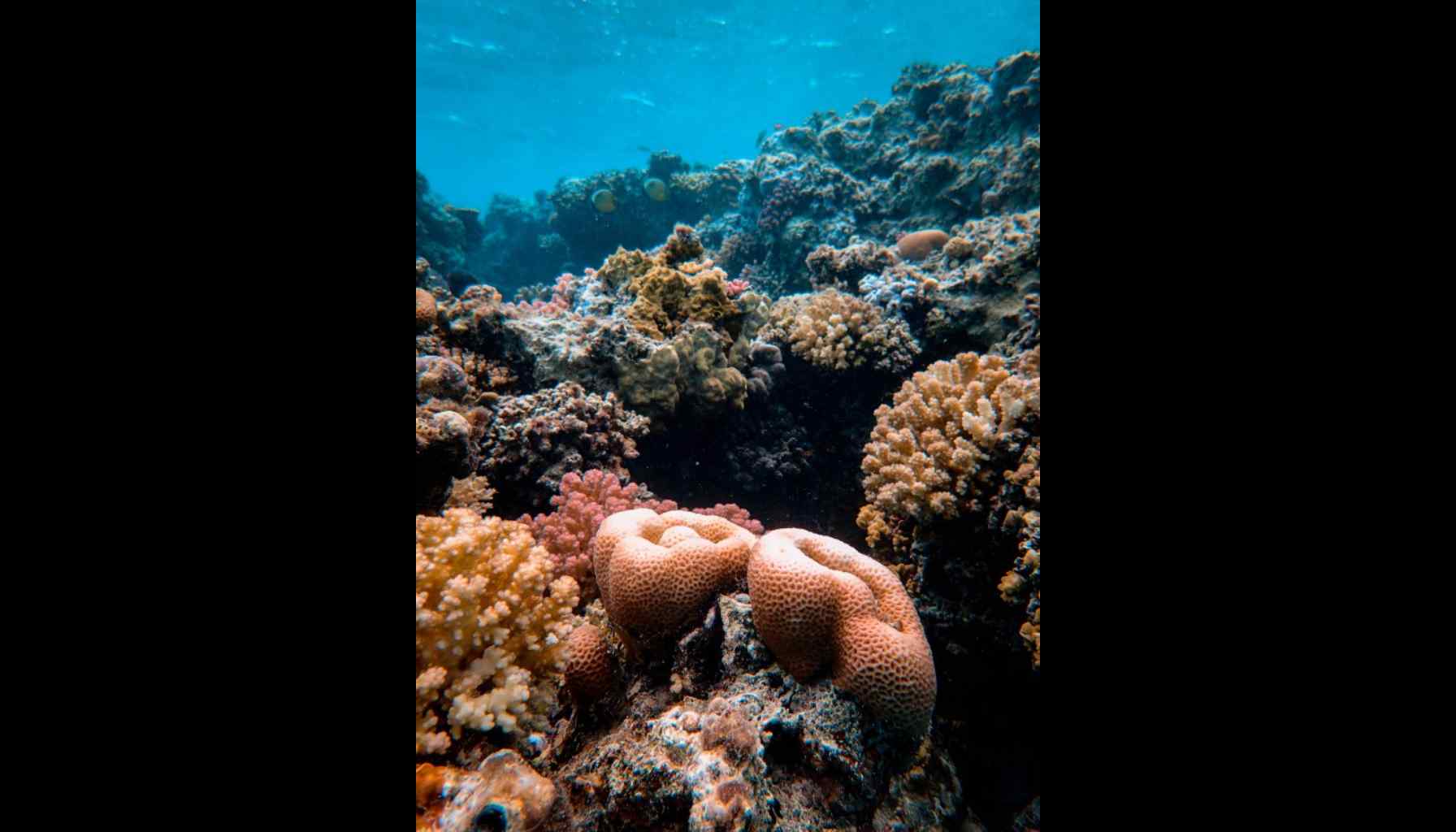
Coral reefs revived in the Caribbean
Across the Caribbean, coral reefs are showing that damaged marine ecosystems can recover when communities, scientists and conservation groups work together. Coral reefs are among the most valuable ecosystems in tropical seas. They provide shelter and food for thousands of marine species, protect coastlines from waves and storms, and support fishing and tourism. However, Caribbean reefs have faced decades of pressure from warming oceans, hurricanes, pollution, overfishing, coastal development and coral diseases.
One of the most promising approaches to reef recovery is coral restoration. Scientists and conservationists collect small pieces of healthy coral and grow them in underwater nurseries or specially designed structures. Once the colonies become large enough, they are transplanted onto damaged reefs. Over time, these young corals can provide new habitat for fish, crabs, sea urchins and other marine organisms.
In several Caribbean locations, restoration programmes have focused particularly on staghorn and elkhorn corals, which once formed extensive underwater forests. These branching corals grow relatively quickly and create three-dimensional habitats where many marine animals can live. Restoring them can therefore help rebuild the wider reef community.
Another important part of recovery is protecting herbivorous animals such as parrotfish and sea urchins. These creatures graze on algae that can otherwise cover coral surfaces and prevent young corals from establishing themselves. Protecting fish populations through sustainable fishing practices can therefore contribute to healthier reefs.
Reducing pollution is equally important. Wastewater, plastic pollution, agricultural runoff and sediment entering the ocean can weaken coral ecosystems. Better sewage treatment, responsible coastal development, plastic reduction and careful management of agricultural runoff can create cleaner conditions in which corals have a better chance of surviving.
Climate change remains one of the greatest challenges. Rising ocean temperatures can cause coral bleaching, a stressful condition in which corals lose the microscopic algae that provide much of their energy and colour. Severe or prolonged bleaching can kill corals. Scientists are consequently studying heat-tolerant coral colonies and developing restoration methods that may improve reef resilience.
Local communities are essential to this work. Fishermen, divers, tourism operators, students and volunteers can participate in reef monitoring, beach clean-ups and restoration activities. When people depend economically or culturally on the sea, protecting reefs can become a shared community responsibility rather than only a scientific project.
The revival of Caribbean coral reefs is therefore not simply about planting coral. It involves restoring marine habitats, protecting wildlife, reducing pollution, improving fishing practices and addressing climate-related pressures. Recovery can take years, and not every restored coral survives. Nevertheless, successful restoration projects demonstrate that damaged reefs are not necessarily lost forever.
The Caribbean's experience offers an encouraging lesson: nature can recover when people give ecosystems the protection and time they need. Reviving coral reefs can help preserve marine biodiversity, strengthen coastal communities and protect one of the world's most remarkable underwater environments for future generations.
This is a wonderful initiative. Let us learn from them.
By Jamuna Rangachari


Discussion (0)
No comments yet. Be the first to comment!
Leave a Comment
You need to login to post a comment.