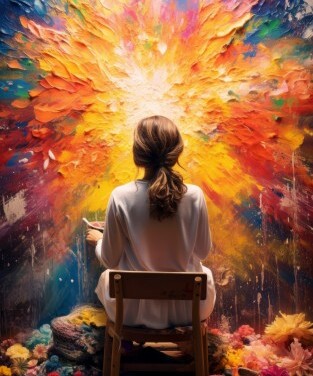
Worshipping the Divine Through Creative Arts: Methodology, Process, Benefits and Spiritual Practices
Introduction
Worshipping the divine is a deeply personal experience that allows individuals to express faith, gratitude, love and reverence towards a higher power. While traditional worship often involves prayers, rituals, chanting and meditation, creative arts offer another meaningful way to experience spirituality. Music, dance, painting, poetry, drawing and handicrafts can become expressions of devotion when performed with sincerity and a spiritual intention.
Creative worship brings together imagination and faith. It allows people to communicate their feelings through artistic activities, even when words are insufficient to express their inner experiences. Singing a devotional song, painting a spiritual image, composing a prayer or performing a traditional dance can become an offering to the divine.
Different cultures and religious traditions have incorporated creative expression into worship for centuries. In India, bhajans, Carnatic music, Bharatanatyam, rangoli and devotional poetry are familiar examples. Other traditions also use sacred music, calligraphy, architecture, paintings and symbolic crafts to express religious beliefs.
Worship through creative arts does not require exceptional artistic ability. Its value lies in sincerity, mindfulness and the intention behind the activity. It can make spiritual practice more personal, meaningful and accessible.
Worshipping the Divine Through Creative Arts
Creative arts provide different opportunities to express devotion. Some people experience spirituality through music, while others connect with the divine through painting, dance, writing or traditional crafts.
Artistic worship allows individuals to participate actively in their spiritual lives. Instead of only listening to prayers or observing rituals, they can create something that reflects their faith and gratitude.
For example, a person may sing a favourite devotional song every morning, create a painting inspired by a sacred story or write a poem expressing gratitude for life's blessings. These activities can become regular spiritual practices.
Creative worship is not limited to any particular religion or artistic tradition. Individuals can choose forms of expression that are meaningful within their own cultural and spiritual backgrounds.
Understanding the Connection Between Art and Spirituality
Creative Expression as a Form of Devotion
Creative expression can become a form of devotion when an individual dedicates artistic effort to a spiritual purpose. The process of creating something meaningful can encourage reflection, humility and gratitude.
A person composing a devotional song may think about divine qualities such as compassion, kindness, forgiveness and love. Similarly, someone creating a painting inspired by a spiritual teaching may reflect on its deeper meaning.
The creative activity becomes more than an artistic exercise. It becomes an opportunity to focus attention on values and beliefs that are important to the individual.
The Role of Art in Expressing Faith and Gratitude
Faith is often difficult to communicate through ordinary language. Art provides different ways to express emotions and spiritual experiences.
Music can communicate devotion through melody and rhythm. Dance can express reverence through movement and gestures. Poetry can describe gratitude, surrender and hope, while painting can represent sacred symbols and inspiring spiritual stories.
Creating art as an offering also encourages people to appreciate their abilities and opportunities. Rather than concentrating only on the finished product, they can value the time, attention and sincerity involved in the creative process.
Traditional Art Forms Used in Spiritual Worship
Many traditional art forms have strong connections with religious and spiritual practices.
In Indian culture, devotional singing includes bhajans, kirtans, keerthanas and classical compositions. Bharatanatyam and Kuchipudi incorporate devotional themes through expressive gestures, storytelling and music.
Rangoli and kolam are traditional decorative practices that can express welcome, auspiciousness and reverence. Temple paintings, sculptures and traditional crafts also communicate spiritual stories and cultural values.
Other cultures use sacred calligraphy, stained-glass artwork, religious paintings, choral music and traditional dances during worship.
These art forms help preserve cultural heritage while providing opportunities for personal devotion.
The Connection Between Creativity, Mindfulness and Inner Peace
Creative activities often require concentration and attention. When individuals paint, sing, dance or write, they may become more aware of the present moment.
This quality of attention is closely associated with mindfulness. Instead of becoming distracted by everyday concerns, individuals can focus on the activity they are performing.
Combining creativity with spiritual reflection may create a sense of calm and meaningful engagement. However, experiences differ from person to person, and artistic worship should not be considered a guaranteed method of achieving emotional or spiritual outcomes.
Methodology for Worshipping Through Creative Arts
Developing a Personal Intention for Creative Worship
The first step is to identify the intention behind the artistic activity.
An individual may wish to express gratitude, seek inspiration, celebrate a religious festival, reflect on spiritual teachings or develop a closer relationship with the divine.
A simple intention such as offering the activity with love and sincerity can provide direction.
It is helpful to begin with a few moments of silence or prayer before starting. This allows the individual to shift attention from daily responsibilities towards the spiritual purpose of the activity.
Choosing an Art Form That Reflects Personal Devotion
The next step is selecting an art form that feels natural and enjoyable.
People who love music may choose devotional singing or instrumental practice. Those who enjoy visual creativity may explore painting, drawing, rangoli or sculpture. Individuals who enjoy language may write prayers, poems or reflections.
There is no need to choose a complicated activity. Even simple creative expressions can become meaningful when performed with devotion.
Creating a Peaceful and Inspiring Environment
A peaceful environment can support concentration and spiritual reflection.
Individuals may choose a clean corner of their home, a prayer room, a garden or another comfortable space. They can arrange their artistic materials beforehand and keep unnecessary distractions away.
Some people prefer lighting a traditional lamp, placing flowers near a prayer space or playing soft devotional music. These practices are optional and can be adapted according to personal beliefs and traditions.
Combining Creativity With Prayer, Meditation and Reflection
Creative worship can be combined with other spiritual practices.
For example, a person may begin with a short prayer, spend twenty minutes singing devotional songs and conclude with a few moments of silent meditation.
Similarly, someone interested in painting may reflect on a spiritual teaching before creating an image inspired by it.
The combination of prayer, creativity and reflection can make the activity more intentional and personally meaningful.
Expressing Devotion Through Sincerity Rather Than Perfection
One of the most important principles of creative worship is sincerity.
People sometimes hesitate to sing, paint or dance bxecause they feel they lack artistic ability. However, devotional expression does not require professional training.
A simple song sung with devotion can be as meaningful to the individual as a technically advanced musical performance.
The focus should remain on the intention and experience rather than comparison, competition or perfection.
Respecting Cultural and Religious Traditions
Creative worship should respect the beliefs, symbols and practices of different communities.
Traditional devotional songs, sacred images, dances and rituals may have specific meanings. Individuals should understand these meanings and follow appropriate cultural guidelines.
At the same time, personal creativity can be encouraged when it is expressed respectfully.
Learning from experienced teachers, musicians, artists and spiritual practitioners can help individuals appreciate the background of traditional art forms.
The Process of Worshipping the Divine Through Different Art Forms
Singing Devotional Songs, Bhajans and Hymns
Music is one of the most accessible forms of creative worship.
Singing bhajans, hymns, kirtans and devotional compositions allows individuals to express faith through words, melody and rhythm.
People may sing independently, with family members or as part of a spiritual gathering.
In Indian traditions, compositions by saints and devotional poets such as Tyagaraja, Purandara Dasa, Mirabai and Tulsidas provide rich opportunities for spiritual reflection.
Individuals can select songs whose meanings inspire compassion, surrender, gratitude and devotion.
Understanding the lyrics can make singing more meaningful than simply repeating the words.
Practising Classical and Devotional Dance
Dance can communicate spiritual ideas through gestures, expressions, rhythm and movement.
Indian classical dance forms such as Bharatanatyam, Kuchipudi, Odissi and Kathak include devotional themes and stories from religious traditions.
Abhinaya, or expressive interpretation, allows dancers to communicate emotions and narratives through facial expressions and hand gestures.
People who enjoy movement can also practise simple devotional movements or gentle dance in a way that suits their abilities.
The purpose of devotional dance is not necessarily public performance. It can also be a personal expression of reverence and gratitude.
Creating Spiritual Paintings, Drawings and Rangoli
Visual art provides an opportunity to express spiritual ideas through colours, shapes and symbols.
Individuals may paint images inspired by sacred stories, nature, religious symbols or spiritual teachings. Drawing a lotus, a traditional lamp, a temple or a peaceful natural landscape can become an exercise in devotion.
Rangoli and kolam offer another way to combine creativity with traditional worship. Creating patterns at the entrance of a home can express welcome, care and cultural continuity.
The process of arranging colours and shapes can also encourage patience and concentration.
Expressing Faith Through Poetry and Creative Writing
Writing is a meaningful way to explore spiritual thoughts and emotions.
Individuals may compose devotional poems, prayers, hymns, short reflections or personal accounts of gratitude.
Writing about forgiveness, compassion, surrender, kindness and the search for truth can help people understand their own spiritual values.
A daily spiritual journal can include a favourite teaching, a meaningful prayer or a reflection on an act of kindness.
Creative writing also allows people to express questions and uncertainties about life without feeling compelled to have immediate answers.
Making Traditional Crafts and Sacred Decorations
Handicrafts can become expressions of devotion when created with care and spiritual intention.
People may prepare flower garlands, decorate prayer spaces, make traditional lamps, create clay figures or design festival decorations.
These activities can involve the entire family and encourage the sharing of cultural knowledge between generations.
Traditional crafts also provide opportunities to learn patience, precision and respect for inherited artistic skills.
Using locally available and environmentally responsible materials can make these activities more sustainable.
Using Instrumental Music and Rhythmic Expressions
Not everyone feels comfortable singing. Instrumental music offers another way to participate in devotional expression.
Playing the veena, flute, violin, harmonium, mridangam or other instruments can support spiritual concentration and musical appreciation.
Even simple rhythmic practices, such as clapping during bhajans or playing traditional percussion instruments, can encourage collective participation.
Learning devotional compositions can also develop discipline and appreciation for musical traditions.
Offering Creative Work as an Act of Gratitude
An individual can dedicate a completed creative work to the divine as an expression of gratitude.
A painting may be placed respectfully in a prayer space, a devotional song may be shared during a gathering, or a poem may be read during a spiritual occasion.
The offering does not need to be elaborate or expensive.
The deeper significance lies in recognising creativity as an opportunity to express appreciation, humility and devotion.
Benefits of Worshipping Through Creative Arts
Deepening Personal Devotion and Spiritual Connection
Creative worship can provide a personal way to engage with spiritual beliefs.
Singing devotional songs, writing prayers or creating spiritual artwork gives individuals opportunities to reflect on divine qualities and teachings.
Over time, these activities may become meaningful parts of their devotional routine.
Encouraging Self-Expression and Emotional Release
Art provides different ways to communicate feelings that may be difficult to express verbally.
Music, poetry, painting and dance can help individuals explore emotions such as gratitude, sadness, hope and love.
Creative expression may support emotional awareness and personal reflection. However, it should not replace professional mental health support when someone experiences persistent emotional distress.
Cultivating Mindfulness, Focus and Inner Calm
Many artistic activities involve repeated practice and sustained attention.
Painting requires observation, music requires listening and rhythm, and dance involves awareness of movement.
When performed mindfully, these activities can encourage concentration and present-moment awareness.
Combining them with prayer or meditation may help individuals establish a peaceful period in their daily routine.
Strengthening Cultural Identity and Spiritual Traditions
Traditional artistic practices preserve cultural heritage.
Learning devotional songs from elders, practising classical dance or creating traditional decorations helps younger generations understand their cultural backgrounds.
Such activities also maintain connections between families, communities and spiritual traditions.
Encouraging Creativity and Personal Growth
Creative worship provides opportunities to discover artistic interests and develop new abilities.
An individual who begins singing devotional songs may gradually learn music. Someone interested in drawing may develop painting skills.
Regular practice can encourage patience, discipline, confidence and self-awareness.
The process also teaches individuals to appreciate learning rather than concentrating exclusively on achievement.
Building Community Through Shared Artistic Worship
Collective artistic activities can strengthen social relationships.
Community bhajans, devotional music programmes, classical dance performances and festival decorations provide opportunities for people to participate together.
Such gatherings encourage cooperation, cultural exchange and a sense of belonging.
They can also create opportunities for younger and older generations to learn from one another.
Daily Practices for Integrating Creative Arts Into Worship
Beginning the Day With Devotional Music or Chanting
Starting the morning with a devotional song, hymn or mantra can establish a meaningful spiritual routine.
Individuals may spend five to ten minutes listening to or singing music that inspires gratitude and positive reflection.
The practice can be simple and adapted to personal preferences.
Setting Aside Time for Spiritual Drawing or Writing
Keeping a notebook for spiritual reflections, prayers and poetry can encourage regular creative expression.
Individuals may also spend a few minutes drawing a spiritual symbol or creating a simple painting inspired by nature or religious teachings.
Consistency is more important than the amount of time spent.
Including Dance and Movement in Devotional Practice
People who enjoy dance can include gentle movement in their spiritual routine.
This may involve practising a traditional devotional dance, learning simple classical gestures or moving rhythmically to devotional music.
Individuals should choose movements appropriate to their physical abilities and comfort.
Creating Art Inspired by Nature and Spiritual Teachings
Nature offers many opportunities for spiritual reflection.
A flower, sunrise, flowing river, tree or mountain can inspire a painting, poem or photograph.
Individuals may reflect on the interconnectedness of life, the importance of gratitude and the need to care for the environment.
Such creative activities can bring together spirituality and environmental awareness.
Participating in Community Music and Cultural Gatherings
Attending bhajan sessions, devotional music programmes, temple cultural events or community art activities can enrich personal worship.
Participation need not involve performing. Listening, learning and supporting others are also meaningful ways to engage.
Overcoming Challenges in Creative Worship
Moving Beyond Fear of Imperfection and Judgement
Many individuals avoid artistic activities because they worry about making mistakes or being judged.
The best approach is to begin privately and practise without comparing abilities.
Creative worship should be treated as a personal spiritual activity rather than a competition.
Finding Time for Regular Creative Practice
Busy schedules can make it difficult to maintain a regular routine.
Choosing a fixed time and beginning with a short activity can make the practice manageable.
Even ten minutes of devotional singing, drawing or writing can provide an opportunity for reflection.
Working With Limited Resources and Materials
Creative worship does not require expensive instruments, paints or equipment.
People can sing without instruments, write using an ordinary notebook or create drawings with basic pencils.
Natural and reusable materials can also be used for traditional decorations.
The emphasis should be on participation rather than expenditure.
Balancing Personal Expression With Traditional Practices
Some individuals may prefer traditional devotional art, while others may wish to explore contemporary forms.
Both approaches can coexist when personal expression is respectful of cultural and religious beliefs.
Learning the meaning of traditional practices before adapting them can help maintain their significance.
Maintaining Sincerity Without Seeking Recognition
Creative activities sometimes lead to public performances, appreciation and recognition.
While these can be encouraging, worship should not depend on praise or popularity.
Individuals can maintain a devotional attitude by remembering the original intention behind their artistic practice.
Building a Sustainable Creative Spiritual Practice
Choosing a Consistent Time and Art Form
A sustainable routine begins with choosing an activity that is enjoyable and practical.
Individuals may select morning devotional singing, evening prayer writing or weekend painting.
Starting with one art form makes it easier to develop consistency.
anding.
FAQs on Worshipping the Divine Through Creative Arts
What Are the Different Art Forms Used for Divine Worship?
Several art forms can be used for divine worship, including devotional singing, classical dance, painting, sculpture, poetry, calligraphy, rangoli, handicrafts and instrumental music. Individuals can select activities that reflect their faith and interests.
What Is the Role of Music and Dance in Devotion?
Music and dance provide ways to express devotion through sound, rhythm, movement and storytelling. Bhajans, hymns, devotional compositions and classical dances can communicate spiritual ideas and preserve cultural traditions.
Can Meditation Be Combined With Creative Expression?
Yes. Individuals can begin with meditation or silent reflection before engaging in painting, music, poetry or dance. They can also conclude the activity with a few moments of silence and gratitude.
How Can Someone Start a Personal Creative Worship Practice?
Start with an enjoyable activity such as singing a devotional song, writing a short prayer or drawing a spiritual symbol. Choose a comfortable time, create a peaceful environment and practise regularly without worrying about artistic perfection.
What Is the Spiritual Significance of Creating Art as an Offering?
Creating art as an offering represents the intention to dedicate one's time, effort and creativity to the divine. It can encourage humility, gratitude and devotion while reminding individuals that artistic abilities can be used for meaningful purposes.
Expressing Devotion and Finding Spiritual Connection Through Art
Worshipping the divine through creative arts brings together faith, imagination and personal expression. It allows individuals to explore spirituality through activities that they enjoy and find meaningful.
A devotional song, a traditional dance, a spiritual painting or a simple handwritten prayer can become an expression of gratitude and reverence. These activities also provide opportunities to learn about cultural traditions, develop artistic abilities and share meaningful experiences with others.
Creative worship does not have to follow a rigid pattern. Some people may prefer traditional devotional practices, while others may find inspiration through contemporary art, nature photography or personal writing. What matters is the sincerity and respect with which the activity is undertaken.
By including creative expression in everyday spiritual life, individuals can develop a more personal relationship with their beliefs and values. They can also encourage family members and communities to appreciate the beauty of art and the richness of spiritual traditions.
Conclusion
Worshipping the divine through creative arts offers a meaningful way to combine devotion, imagination, gratitude and mindfulness. Music, dance, painting, poetry and traditional crafts can become expressions of faith when undertaken with sincerity and respect.
The practice does not require exceptional talent, expensive materials or elaborate arrangements. A simple devotional song, a few lines of prayer or a small handmade offering can provide an opportunity for spiritual reflection.
By choosing an enjoyable art form, creating a peaceful environment and maintaining a consistent routine, individuals can make creative worship a sustainable part of their lives. Ultimately, the value of artistic devotion lies not in perfection or recognition but in the personal meaning, gratitude and sincerity brought to the creative process.
We wish you all the best in your creative worship.
By Jamuna Rangachari

Discussion (0)
No comments yet. Be the first to comment!
Leave a Comment
You need to login to post a comment.