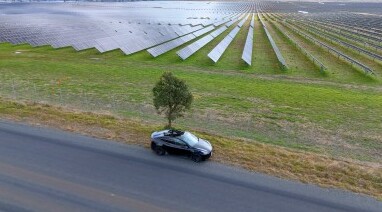
China uses EV batteries for climate change
China is finding an innovative way to tackle climate change by giving old electric vehicle (EV) batteries a second life. Instead of allowing used batteries to become electronic waste, companies are recovering, refurbishing and reusing them for energy storage and other applications. This approach supports the circular economy, reduces waste and helps make clean energy more sustainable.
Electric vehicles are becoming increasingly popular in China, the world's largest market for electric cars. However, their batteries gradually lose their ability to hold sufficient charge for driving. Although these batteries may no longer meet the demanding requirements of electric vehicles, many retain enough capacity to serve other purposes.
Giving Old Batteries a Second Life
The process is known as second-life battery reuse. When an EV battery reaches the end of its useful automotive life, it is collected and tested. Technicians examine its remaining capacity, safety, charging performance and overall condition.
Batteries that pass safety and performance assessments can be refurbished and assembled into energy storage systems. These systems can store electricity generated by solar panels and wind turbines and release it when required.
This is particularly useful because renewable energy production fluctuates depending on weather conditions and the time of day. Battery storage helps bridge the gap between electricity generation and consumption.
Supporting Renewable Energy
China's growing solar and wind energy industries need efficient storage facilities. Reused EV batteries can help address this challenge by storing surplus electricity during periods of high production.
For example, solar power generated during sunny afternoons can be stored in refurbished batteries and supplied during evenings when electricity demand rises. Similarly, wind energy can be stored when production exceeds immediate consumption.
Research published in 2026 in Energy and Climate Change examined the potential of repurposing retired EV batteries. It estimated that second-life batteries could meet approximately 67% of China's energy storage demand by 2050 under the modelled scenario. The approach could also reduce dependence on more expensive and carbon-intensive electricity generation.
Reducing Mining and Environmental Damage
Lithium, cobalt, nickel and other minerals are essential for manufacturing modern batteries. Extracting these materials requires mining, energy and water, which can cause environmental damage.
Reusing existing batteries extends the useful life of these valuable resources and reduces the immediate need to manufacture new storage batteries.
A 2026 study published in Environmental Science & Technology found that extensive second-life battery use could reduce cumulative lithium and cobalt consumption by more than 50% compared with relying entirely on newly manufactured batteries in its high-electrification scenario.
China's Battery Recycling Initiatives
China has introduced policies to strengthen the collection, tracking, reuse and recycling of retired EV batteries. Its regulations encourage manufacturers and recycling companies to take responsibility for batteries throughout their life cycle.
The country also uses battery identification and tracking systems to improve traceability. This helps ensure that retired batteries reach authorised facilities instead of entering unsafe informal recycling channels.
The emphasis is on testing batteries, identifying suitable second-life applications and recovering valuable materials from those that cannot be safely reused.
Challenges and Safety Concerns
Despite its promise, battery reuse has several challenges. Batteries from different vehicles may have different chemistries, capacities and levels of degradation. Each unit must undergo careful inspection before being reused.
Damaged or poorly maintained batteries can overheat and potentially cause fires. Therefore, proper testing, temperature monitoring, battery management systems and certified storage facilities are essential.
Not every retired EV battery is suitable for a second life. Some must be dismantled and recycled to recover their valuable materials.
A Greener Future
China's efforts to reuse EV batteries demonstrate how technology and resource conservation can work together to address climate change. Giving batteries a second life reduces waste, supports renewable energy and makes better use of valuable natural resources.
The initiative also offers lessons for other countries investing in electric mobility. By developing efficient collection, testing, reuse and recycling systems, nations can reduce the environmental footprint of transportation.
Ultimately, the future of electric vehicles should not end when a car battery loses its driving capacity. Its remaining energy potential can continue contributing to a cleaner and more sustainable planet.
We wish them all the best.
By Jamuna Rangachari

Discussion (0)
No comments yet. Be the first to comment!
Leave a Comment
You need to login to post a comment.