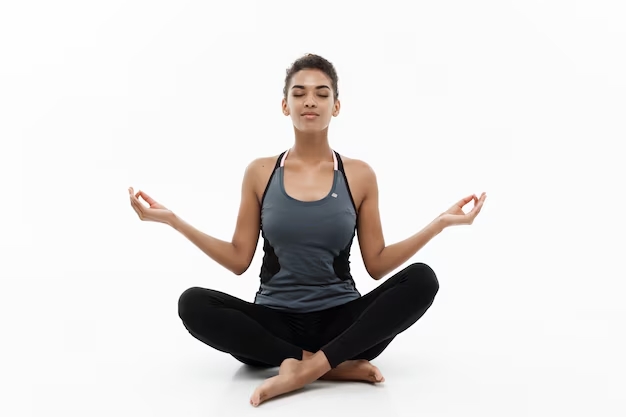
Feel and heal
May 2013
By Shameem Akthar
Mastering difficult poses helps us to access the emotions contained in the body and therefore arrive at healing, says Shameem Akhtar
Each pose has a psychological impact apart from its healing and toning aspects, and it touches biological centers where fears or other intense emotions may be lodged. Thus we can deal with them, as they come up.
A pose like halasana (plough pose) is one interesting example. At our nape is a primary fear center. It is what sets the hair there bristling, when someone stares at us or when we feel fear or anger. Most of us have felt this at some point in our lives. The neck is the path for the vagus nerve on its long route to the rest of the body. It is the longest nerve and is used to switch on all the body’s relaxing mechanisms. There is also the cardiac plexus along our neck constantly beeping alert messages to the body to manage our blood pressure, blood flow, and other automatic functions of our body, depending on the mind’s assessment of whether we are relaxed or stressed. With so many important aspects of stress being pressed upon, you can imagine why a pose like the plough, which requires us to throw our legs backward so the neck is powerfully squeezed, can feel extremely constricting and difficult. Many diffident students will find that they get a cramp, or simply cannot reach the legs far back enough to touch the ground. Many times this has nothing to do with flexibility as they imagine, but the reflexive resistance to the squeeze in our fear center.
Similarly, poses like the cobra (bhujangasana) can be tough for some sensitive people, because it invites an openness of spirit that can calm the breath. Often some poses, like the chakrasana (wheel), salabhasana (locust pose) and even the innocuous yoga nidra (sleep of yoga) of shavasana (corpse pose) can make one shed tears. In the latter, many people will fidget unconsciously, unable to let go of things, which is constricting them emotionally. Pranayama (breathing practices) like the anulom vilom (alternate nostril breathing) can also invite resistance. Fingers may shake softly, the posture will collapse after a while, knees may shake, and there will be a lot of fidgeting. The practice creates objectivity.
Clearly, things that are tough for us may be what are good for our emotional growth. It would be wise to keep that in mind, when we find some way to deny ourselves these practices.
Ardha Ushtrasana (Half-camel pose)
Sit on your heels as shown. Place palms behind the hips, with fingers pointed towards the hips. Inhale, lifting hips off the heels. Continue breathing. Push into the palms, lifting the hips high enough so there is a curve along the back. Throw the neck back as shown. Hold the pose, as long as is comfortable. Release, to settle hips back on heels. Relax with head down in front of the knees, palms beside the body.
Benefits
Opens the heart center, releasing pent-up emotions. Creates fearlessness. Boosts immunity. Tones the back and arms. Controls respiratory problems.
Discussion (0)
No comments yet. Be the first to comment!
Leave a Comment
You need to login to post a comment.