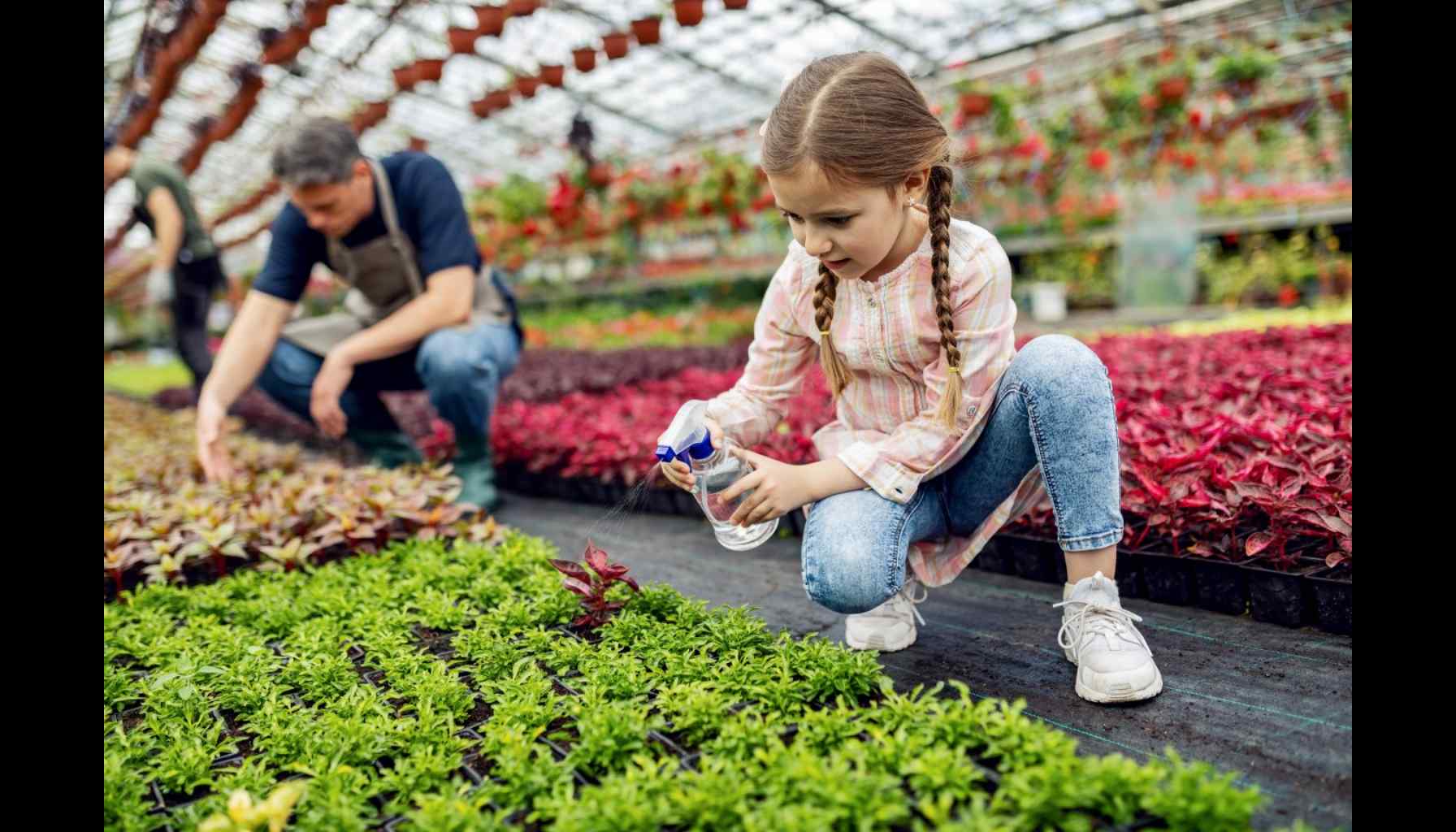
Hydropoinics in Canadian schools
Hydroponics is a method of growing plants without soil. Instead, plants are grown in water containing essential nutrients. This innovative method is becoming increasingly useful in Canadian schools because it combines science, environmental education, and practical learning. Hydroponic systems can help students understand how plants grow while also teaching them about sustainability and food production.
One major advantage of hydroponics in Canadian schools is that it allows students to grow plants throughout the year. Canada has long, cold winters, which can make outdoor gardening difficult for several months. A hydroponic system can be installed indoors, allowing students to grow lettuce, herbs, spinach, and other crops even when temperatures outside are below freezing. This gives students the opportunity to observe plant growth continuously rather than only during the warmer months.
Hydroponics also provides valuable opportunities for hands-on learning. Students can study topics such as biology, chemistry, environmental science, and mathematics using a real hydroponic system. For example, they can measure water quality, monitor nutrient levels, record plant growth, and calculate how much water or electricity the system uses. These activities can make classroom lessons more practical and engaging.
Another important benefit is environmental education. Hydroponic systems can use significantly less water than conventional agriculture because water can be recirculated through the system. They can also produce food in small spaces, making them suitable for schools with limited outdoor land. By working with hydroponics, students can learn about water conservation, sustainable agriculture, food security, and the environmental challenges associated with transporting food over long distances.
Hydroponics can also encourage teamwork and responsibility. Students can work in groups to plant seeds, maintain equipment, monitor plants, and collect data. They learn that successful plant growth requires regular care and attention. Schools may even use the vegetables and herbs they grow in cooking classes or cafeterias, helping students understand the connection between growing food and eating healthy meals.
However, setting up a hydroponic system can have challenges. Schools need equipment, electricity, water, nutrients, and staff or students who can maintain the system. Initial costs can also be higher than those of a traditional school garden. Teachers may require training to use the equipment effectively. Despite these challenges, small and simple systems can provide a practical starting point.
In conclusion, hydroponics can be a valuable educational tool in Canadian schools. It allows students to grow food indoors throughout the year while learning about science, sustainability, and responsibility. As schools look for innovative ways to connect classroom learning with real-world environmental issues, hydroponics offers an engaging and practical approach to education.
By Jamuna Rangachari

Discussion (0)
No comments yet. Be the first to comment!
Leave a Comment
You need to login to post a comment.