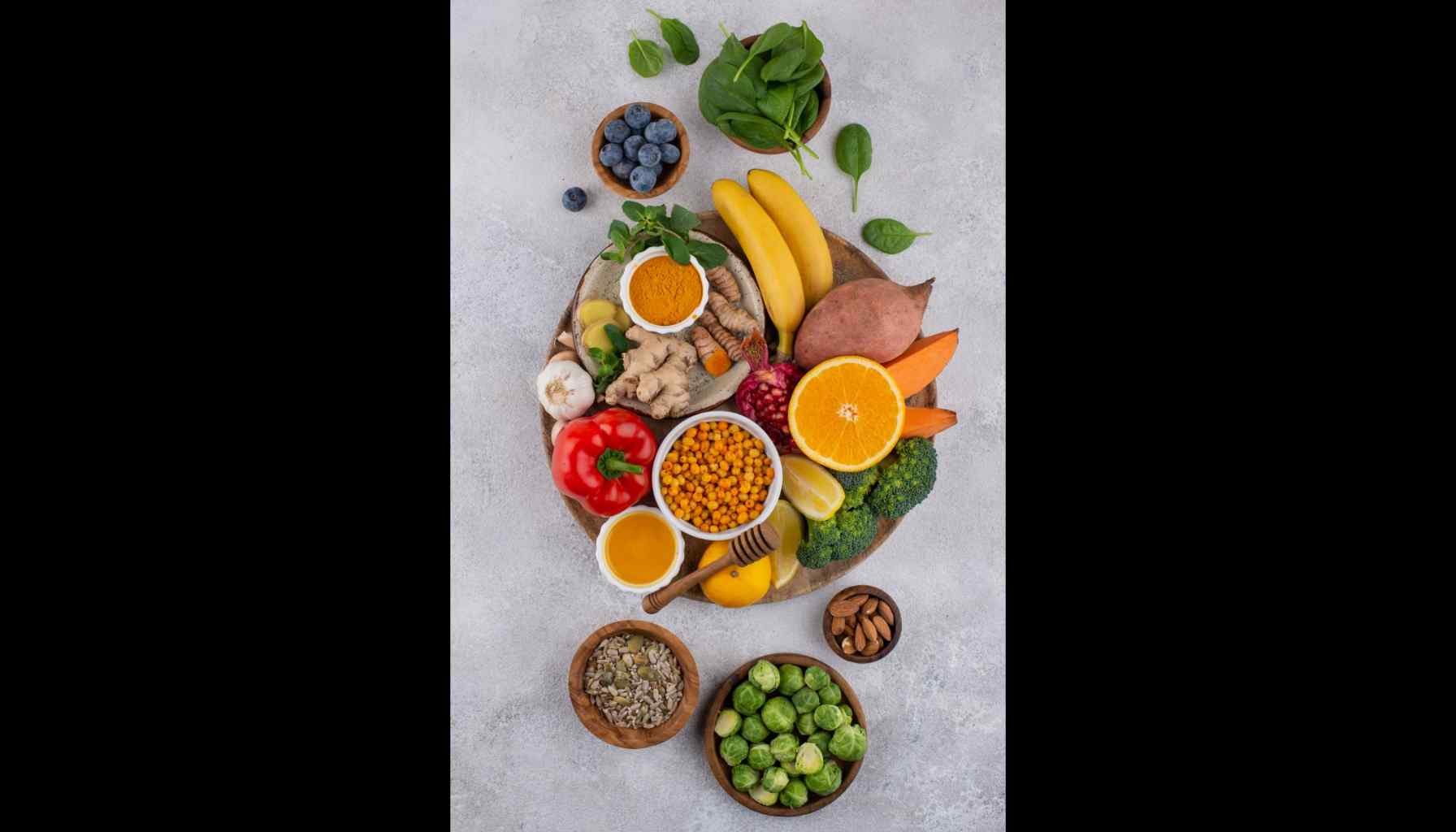
Include All Vitamins in Your Diet: Process, Methodology, Benefits & Healthy Lifestyle
Introduction
Vitamins are essential micronutrients that the body needs in relatively small amounts to carry out many important functions. They contribute to normal immune function, energy metabolism, vision, bone health, blood formation, nervous-system function, cell growth and tissue maintenance. Because the body either cannot make many vitamins in sufficient quantities or cannot make them at all, they need to come from food or, when appropriate, supplements.
Including all essential vitamins in the diet does not mean taking numerous supplements or trying to consume the maximum possible amount of every vitamin. The goal is nutritional adequacy—providing the body with appropriate amounts through a varied and balanced eating pattern.
A diverse diet containing vegetables, fruits, whole grains, legumes, nuts, seeds, dairy or suitable alternatives, eggs, fish, meat or other protein foods can provide many vitamins. Some nutrients, particularly vitamin B12 and vitamin D, may require greater attention depending on dietary pattern, age, lifestyle and individual circumstances.
A practical vitamin-rich lifestyle therefore involves understanding vitamin sources, eating a variety of foods, considering nutrient absorption, identifying potential nutritional gaps and seeking professional advice when supplementation is necessary.
Include All Vitamins in Your Diet
A balanced diet should provide the essential vitamins required for normal body functions. These include vitamins A, C, D, E and K, together with the B-complex vitamins: B1 (thiamine), B2 (riboflavin), B3 (niacin), B5 (pantothenic acid), B6, B7 (biotin), B9 (folate) and B12.
Rather than focusing on individual vitamins every day, it is generally more practical to build dietary variety across the week. Different foods supply different combinations of nutrients. Eating a wide range of vegetables, fruits, pulses, grains, nuts, seeds and protein foods can therefore improve the likelihood of meeting nutritional requirements.
Understanding Essential Vitamins
Vitamins have different chemical properties and perform different roles. Understanding their basic categories can help people make sensible dietary choices.
Fat-Soluble Vitamins: A, D, E and K
Vitamins A, D, E and K are fat-soluble vitamins. They can be stored in body tissues, particularly the liver and fatty tissues, which means excessive intake from supplements can sometimes result in accumulation.
Vitamin A contributes to normal vision, immune function and maintenance of tissues. It is found as preformed vitamin A in foods such as eggs and dairy products, while colourful vegetables provide carotenoids such as beta-carotene that the body can convert to vitamin A.
Vitamin D supports calcium and phosphorus regulation and contributes to bone and muscle health. Food sources include fatty fish, egg yolks and fortified foods, while sunlight exposure can contribute to vitamin D production.
Vitamin E functions primarily as an antioxidant and is found in foods such as nuts, seeds and vegetable oils.
Vitamin K contributes to normal blood clotting and bone metabolism. Leafy green vegetables are particularly rich sources.
Water-Soluble Vitamins: B-Complex and C
The B-complex vitamins and vitamin C are water-soluble. The body generally does not store large amounts of most water-soluble vitamins, so regular dietary intake is important.
B vitamins participate in energy metabolism, red blood-cell formation, DNA synthesis, nervous-system function and many other biochemical processes. They are distributed across foods such as whole grains, legumes, vegetables, dairy products, eggs, meat, fish, poultry, nuts and seeds.
Vitamin C supports collagen formation, wound healing, antioxidant protection and normal immune function. Fruits and vegetables are important sources, especially citrus fruits, guava, berries, tomatoes, peppers and several green vegetables.
Vitamins, Absorption and Nutritional Balance
Getting vitamins from food is not simply about counting how many vitamin-containing foods are eaten. Absorption and utilisation also matter.
For example, consuming vegetables containing fat-soluble vitamins or carotenoids along with a source of healthy fat can support absorption. Cooking can also change nutrient availability. Some nutrients are reduced by prolonged cooking, while others may become more available after cooking.
A balanced diet should therefore consider both nutrient content and food preparation.
Vitamin-Rich Diet Methodology
A vitamin-rich eating pattern can be developed systematically rather than through complicated meal plans.
Assessing Individual Nutritional Needs
Vitamin requirements differ according to age, sex, pregnancy and breastfeeding status, dietary pattern and certain health conditions. Physical activity, sunlight exposure and medication use can also influence nutritional considerations.
A person's existing diet should therefore be assessed before deciding whether supplements are necessary.
Building a Diverse Whole-Food Diet
Dietary variety is one of the simplest strategies for improving vitamin intake.
Include different colours and types of vegetables, several varieties of fruit, whole grains, pulses, nuts, seeds and appropriate protein sources. Variety helps prevent excessive dependence on a small number of foods.
Combining Different Food Groups
Meals can be built around several food groups rather than one dominant ingredient.
For example, a meal could combine whole grains with dal or beans, vegetables, curd or another protein source and a small amount of nuts or seeds. Such combinations provide a broader range of micronutrients.
Addressing Potential Nutritional Gaps
Some people may have difficulty obtaining particular vitamins through food alone. Strict vegan diets, restrictive diets, food allergies, certain gastrointestinal conditions and limited sun exposure can create potential gaps.
Instead of automatically taking a multivitamin, identify the specific nutritional concern and discuss it with a qualified healthcare professional or registered dietitian.
The Process of Including Vitamins in Your Diet
Creating a vitamin-rich diet is an ongoing process rather than a one-time dietary change.
Reviewing Current Eating Patterns
Begin by observing what you normally eat. Consider whether your meals contain vegetables, fruits, whole grains, legumes, protein foods, nuts or seeds and appropriate sources of healthy fats.
A food diary for several days can reveal patterns that may otherwise go unnoticed.
Identifying Vitamin-Rich Food Sources
Once eating patterns are understood, identify foods that can fill nutritional gaps.
For example, leafy greens can contribute folate and vitamin K, citrus fruits can provide vitamin C, nuts and seeds can contribute vitamin E, and dairy or fortified alternatives can provide several nutrients including vitamin D depending on fortification.
Adding Variety Across Daily Meals
Variety does not require elaborate cooking. A simple approach is to use different vegetables and fruits throughout the week.
Breakfast might include fruit and fortified dairy or an alternative. Lunch could include whole grains, pulses and vegetables. Snacks could include fruit, nuts or seeds. Dinner can feature another combination of vegetables and protein foods.
Improving Food Preparation and Absorption
Wash produce appropriately, avoid unnecessarily prolonged cooking and use preparation methods suited to the food.
Some vegetables can be lightly steamed or cooked, while others can be eaten raw. Including appropriate amounts of dietary fat can assist absorption of fat-soluble vitamins and carotenoids.
Monitoring Nutritional Adequacy Over Time
Nutritional adequacy should be considered over time rather than judged by a single meal.
Changes in appetite, diet, lifestyle or health can alter nutritional requirements. Periodic dietary review can therefore be useful, particularly for people with restricted diets or increased nutritional needs.
Food Sources for Essential Vitamins
Different foods contribute different vitamins. A varied diet provides the broadest nutritional coverage.
Vitamin A and Carotenoid-Rich Foods
Vitamin A is found in foods such as eggs, dairy products and some animal foods. Beta-carotene and other carotenoids are found in orange, yellow and dark-green vegetables.
Carrots, pumpkin, sweet potatoes, spinach, amaranth leaves and other colourful vegetables can contribute carotenoids.
Including a variety of colourful vegetables is a practical way of supporting vitamin A nutrition.
B Vitamins From Whole Grains, Legumes and Protein Foods
Whole grains, pulses, beans, lentils, nuts and seeds provide several B vitamins. Eggs, dairy products, meat, poultry and fish can provide additional B vitamins.
Vitamin B12 deserves particular attention because naturally occurring B12 is primarily found in animal-derived foods. People following vegan diets may need fortified foods or a B12 supplement under appropriate guidance.
Folate, or vitamin B9, is abundant in leafy greens, legumes, asparagus, certain fruits and fortified grain products.
Vitamin C From Fruits and Vegetables
Vitamin C is widely available in plant foods. Guava, oranges, lemons, amla, kiwi, strawberries, tomatoes, capsicum and many vegetables can contribute significant amounts.
Eating a variety of fruits and vegetables every day can make vitamin C intake easier to achieve naturally.
Vitamin D From Food, Fortified Sources and Sunlight
Vitamin D is more challenging to obtain from food alone because relatively few foods naturally contain substantial amounts.
Fatty fish, egg yolks and fortified foods can contribute vitamin D. Sunlight exposure can also stimulate vitamin D production in the skin, although the amount produced varies with factors such as skin pigmentation, location, season, clothing, age and time spent outdoors.
People concerned about vitamin D status may need individual assessment rather than assuming that sunlight or dietary intake is sufficient.
Vitamin E From Nuts, Seeds and Plant Foods
Nuts, seeds, vegetable oils, wheat germ and some green vegetables provide vitamin E.
Almonds, sunflower seeds, peanuts and other nuts and seeds can be incorporated into meals in moderate portions. They also provide healthy fats and other nutrients.
Vitamin K From Leafy Greens and Other Vegetables
Leafy green vegetables such as spinach, kale and other greens are important sources of vitamin K.
Broccoli, cabbage and other vegetables also contribute vitamin K. People taking certain anticoagulant medicines should discuss major dietary changes involving vitamin K with their healthcare professional rather than making abrupt changes.
Potential Benefits of Adequate Vitamin Intake
Adequate vitamin intake supports normal physiological functions. Vitamins are not magic substances that automatically prevent disease, but sufficient intake helps the body perform essential processes.
Supporting Normal Immune Function
Several vitamins, including A, C, D, E and B vitamins, participate in normal immune-system functions.
A varied diet supports overall nutritional adequacy and provides multiple nutrients involved in maintaining normal immune responses.
Supporting Energy Metabolism
B vitamins do not provide energy themselves, but they help the body use energy-yielding nutrients.
Adequate vitamin intake is therefore part of maintaining normal metabolism.
Healthy Skin, Eyes and Tissues
Vitamin A contributes to normal vision and tissue maintenance. Vitamin C is required for collagen formation, while vitamin E contributes antioxidant protection.
Adequate nutrition supports normal maintenance of skin and other body tissues.
Supporting Bone and Blood Health
Vitamin D helps regulate calcium and phosphorus, contributing to normal bone health. Vitamin K is involved in blood clotting and bone metabolism.
Folate, vitamin B12 and other nutrients are important for normal blood-cell production.
Normal Nervous System Function
Several B vitamins participate in nervous-system function and energy metabolism. Vitamin B12 and folate are particularly important for normal neurological and blood-related processes.
A varied diet helps supply the combination of micronutrients needed for these functions.
Creating a Vitamin-Rich Lifestyle
Vitamins work within the broader context of nutrition and lifestyle. A healthy eating pattern should therefore be combined with other supportive habits.
Eating a Diverse Range of Plant Foods
Aim for diversity rather than relying on one so-called superfood.
Different vegetables, fruits, legumes, whole grains, nuts and seeds provide different combinations of vitamins, minerals, fibre and beneficial plant compounds.
Choosing Nutrient-Dense Whole Foods
Whole or minimally processed foods can form the foundation of a vitamin-rich diet.
Instead of trying to obtain nutrients through fortified products and supplements alone, make vegetables, fruits, pulses, whole grains, nuts, seeds and appropriate protein foods regular parts of meals.
Maintaining Healthy Meal Patterns
Regular, balanced meals can make it easier to obtain adequate nutrition.
Skipping meals occasionally does not automatically create vitamin deficiency, but chronically restrictive eating patterns can make it difficult to meet nutritional requirements.
Supporting Digestion and Nutrient Absorption
Adequate protein, fibre, healthy fats and fluids support overall nutritional health.
Digestive symptoms that persist or unexplained nutritional deficiencies should be discussed with a healthcare professional because some gastrointestinal disorders can affect nutrient absorption.
Combining Nutrition With Sleep and Physical Activity
Regular physical activity, adequate sleep, stress management, hydration and avoidance of tobacco contribute to overall wellbeing and complement a nutritious diet.
When Supplements May Be Appropriate
Supplements can be useful in specific circumstances, but they should not automatically replace a varied diet.
Identifying Dietary or Nutritional Gaps
Supplementation may be appropriate when dietary intake is inadequate or when an individual has increased nutritional requirements.
Examples may include vitamin B12 for some people following vegan diets, folic acid during pregnancy planning and pregnancy as recommended by healthcare professionals, or vitamin D when intake or status is inadequate.
Vitamin Deficiency and Medical Assessment
Suspected deficiency should be evaluated rather than self-diagnosed solely from symptoms.
Healthcare professionals may consider dietary history, symptoms, medical conditions and laboratory testing where appropriate.
Supplementation Under Professional Guidance
The correct supplement and dose depend on the individual.
Professional guidance is particularly important for high-dose products, long-term supplementation, pregnancy, childhood, older age and people taking prescription medicines.
Avoiding Excessive Vitamin Intake
More is not necessarily better.
High doses of certain vitamins can cause adverse effects. Fat-soluble vitamins are particularly important in this regard because they can accumulate in the body.
Some high-dose supplements can also interact with medications or interfere with laboratory tests.
The objective should therefore be adequate intake, not maximum intake.
Personalized Vitamin and Nutrition Planning
A nutrition plan should reflect the individual's circumstances rather than follow a universal formula.
Age, Lifestyle and Dietary Requirements
Nutritional needs change throughout life. Children, adolescents, adults, older adults and pregnant or breastfeeding women have different requirements.
Activity levels, eating patterns and lifestyle factors can also influence nutritional planning.
Vegetarian and Vegan Nutrition Considerations
Well-planned vegetarian and vegan diets can provide many essential nutrients, but particular attention may be needed for vitamin B12 and, depending on food choices, vitamin D and other nutrients.
Fortified foods and supplements can help address specific nutritional needs.
Pregnancy and Other Special Nutritional Needs
Pregnancy increases the importance of several nutrients, including folate, iron, iodine and vitamin D depending on individual circumstances and local guidance.
Pregnancy supplements should be selected with professional guidance because some nutrients can be harmful at excessive doses.
Health Conditions and Medication Considerations
Certain medical conditions can influence nutrient absorption or metabolism. Some medicines can also affect vitamin status or interact with supplements.
People managing chronic conditions or taking regular medication should discuss significant dietary or supplement changes with their healthcare professional.
Frequently Asked Questions
Essential Vitamins for Daily Nutrition
What are the essential vitamins?
The essential vitamins are A, C, D, E and K, along with the B-complex vitamins: B1, B2, B3, B5, B6, B7, B9 and B12.
The body requires these vitamins in different amounts and for different physiological functions.
Best Foods for Getting Vitamins Naturally
Which foods are best for obtaining vitamins?
There is no single best food. Variety is more important.
Vegetables, fruits, whole grains, pulses, nuts, seeds, dairy or fortified alternatives and suitable protein foods can collectively provide a broad range of vitamins.
Colourful vegetables, leafy greens, legumes, fruits, nuts and seeds are particularly useful components of a nutrient-dense eating pattern.
Vitamins and a Balanced Diet
Can a balanced diet provide all vitamins?
For many healthy people, a varied diet can provide most nutritional requirements. However, certain vitamins may be difficult to obtain in sufficient quantities from food alone depending on dietary pattern, life stage, health status and environmental factors.
Vitamin B12 and vitamin D are examples where some people may require fortified foods or supplements.
Food Sources Versus Vitamin Supplements
Are food sources better than supplements?
Food is generally the preferred foundation because foods provide vitamins together with protein, fibre, minerals and other beneficial compounds.
Supplements can nevertheless be valuable when there is a demonstrated or likely nutritional gap. They should complement rather than automatically replace a nutritious eating pattern.
Building a Balanced, Vitamin-Rich Diet for Long-Term Wellness
Including all essential vitamins in the diet is fundamentally about variety, balance and adequacy. The goal is not to consume the highest possible amount of every vitamin but to provide the body with appropriate amounts for normal physiological function.
A practical approach begins with reviewing current eating habits. From there, gradually increase dietary diversity by including vegetables of different colours, fruits, whole grains, pulses, nuts, seeds and appropriate protein foods. Pay attention to nutrients that may be difficult to obtain because of dietary restrictions, lifestyle factors or particular health circumstances.
Food preparation also matters. Appropriate cooking methods, dietary fat and balanced meals can help optimise nutrient availability and absorption. At the same time, healthy eating should be supported by adequate sleep, physical activity, hydration and stress management.
Supplements have a role when nutritional needs cannot be adequately met through diet or when a healthcare professional identifies a deficiency or increased requirement. However, excessive supplementation can be harmful, and high doses should never be assumed to be healthier.
Ultimately, a vitamin-rich lifestyle is not about counting every nutrient at every meal. It is about creating sustainable eating habits that provide nutritional variety over time. By choosing a broad range of nutrient-dense foods and adapting the diet to individual needs, people can build a practical foundation for long-term nutritional wellbeing.
Let us all have a vitamin rich diet to remain holistically healthy.
By Jamuna Rangachari



Discussion (0)
No comments yet. Be the first to comment!
Leave a Comment
You need to login to post a comment.