An ode to nature
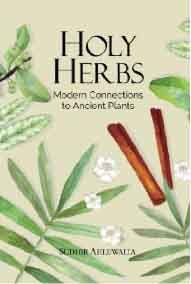
Holy Herbs
Modern Connections to Ancient Plants
by Sudhir Ahluwalia
Fingerprint Life (Prakash Books India Pvt Ltd),
Rs 399; pages 303
Did you know that the humble Pudin Hara tablets found in most of our Indian households, seem to trace their history way back to ancient Egypt, Greece and China? Apparently, Chinese medical writings, c. 659 AD, mention mint as a treatment for stomach aches; the herb is still used to get relief from indigestion, common colds and bad breath. Author Sudhir Ahluwalia digs into history records of ancient civilisations to unearth various similar facts about the relevance of plants and herbs, which he adroitly presents in his latest book, Holy Herbs.
Holy Herbs is an intriguing attempt at collating interesting information about plants and herbs which formed a link between the ancient civilisations of the East and the West. The book is packed with flavourful facts (Greeks break a pomegranate on the ground to initiate weddings and other celebrations) and generous slices from history (“The black seed is healing for every disease except death.”—Prophet Muhammad is believed to have said about black cumin in the hadith, Sahih al Bukhari).
The idea behind this book, in the writer’s words, is to evaluate the relevance of herbs and plants in modern medicine, by tracing their significance in ancient civilisations. Sudhir successfully lists the reasons which made these civilisations attribute sacredness to certain plants and herbs, yet again cementing the fact that our ancestors were way ahead than modern sciences, in acknowledging nature’s role in human survival. The book states how Sushruta Samhita, the renowned ancient Indian medicine treatise, recorded around 770 medicinal plants. It also mentions their origin and botanical identity, describes their value and use, and gives an overview on the current state of research on herbal products.
Holy Herbs is structured as an encyclopedia of prominent herbs and plants that find mention in sacred texts like the Bible, the Quran, the Talmud, and the Hadiths, underscoring the archaeological evidence that supports their erstwhile use as curative plants. The book promises to be an engaging read for alternative medicine scholars, naturopaths, herbal product users and members of organic and green living communities. It also stirs fascination in people like me who are constantly trying to align with natural ways of eating and healing.
-Punya Srivastava

Discussion (0)
No comments yet. Be the first to comment!
Leave a Comment
You need to login to post a comment.