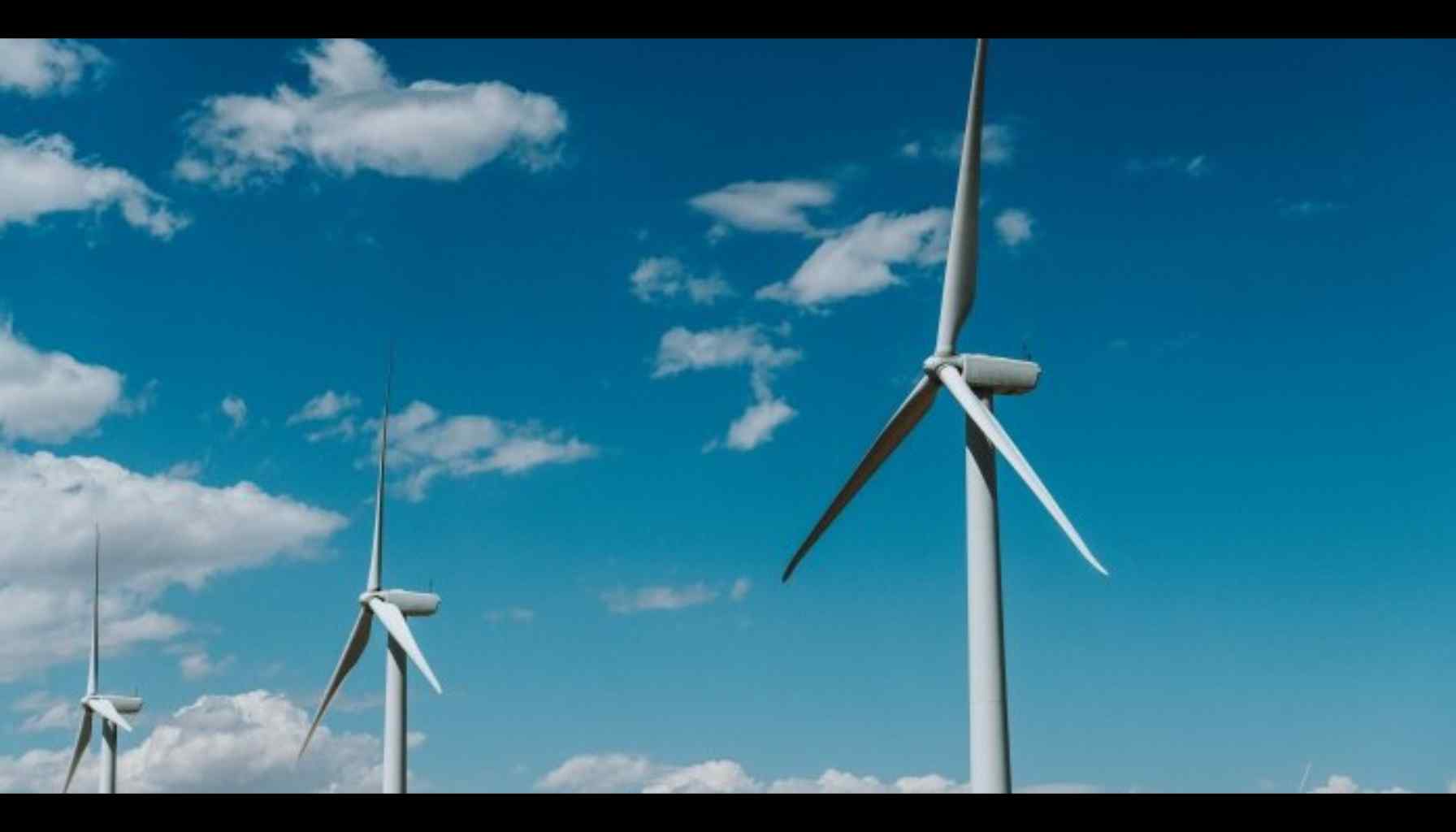
Palestine Turns War Rubble into Wind Turbines to Generate Electricity
In an inspiring example of innovation and resilience, a Palestinian man in Gaza has developed homemade wind turbines using discarded materials from destroyed buildings and scrap metal to generate electricity. At a time when thousands of families are struggling with severe power shortages, this simple invention is bringing hope and practical relief to people living in displacement camps.
The initiative demonstrates how local knowledge, engineering skills and determination can help communities find alternative energy solutions during humanitarian crises.
Turning Waste into Electricity
The innovative project has been developed by Kamal Al-Dabary, a 60-year-old former engineering student living in southern Gaza. Faced with the destruction of electricity infrastructure and the rising cost of solar panels, he decided to explore another source of energy: wind.
Working with materials recovered from rubble, he began constructing small wind turbines that could generate electricity for nearby families.
The turbines are made using discarded scooter motors, old water tanks cut into blades, scrap metal and electrical components salvaged from damaged buildings.
When the wind turns the blades, the attached motor generates electricity. The electrical current passes through specially assembled circuits before being stored in batteries for later use.
Although the turbines are relatively small, they provide an important source of electricity in communities where conventional power supplies are unavailable.
According to an Associated Press report published by AFP on November 5, 2026, the homemade devices are helping families meet some of their basic electricity needs.
Bringing Relief to Displaced Families
For families living in tents and temporary shelters, access to electricity can make an enormous difference.
The homemade wind turbines generate enough power for basic requirements such as:
Charging mobile phones to maintain communication.
Operating small lights during the night.
Running electric fans in hot weather.
Powering small electrical appliances.
Supporting certain essential medical devices when their power requirements can be met.
One particularly important benefit is the possibility of supporting basic healthcare needs. For instance, electricity can help operate a nebuliser, a medical device used to deliver inhaled medication to people with respiratory difficulties.
Residents have expressed appreciation for the initiative because even a limited electricity supply improves their daily living conditions.
Renewable Energy Offers New Possibilities
Wind energy is a renewable source of electricity that uses the natural movement of air to rotate turbine blades and operate generators. Unlike conventional fossil-fuel-based electricity generation, it does not require burning coal, oil or gas during operation.
Palestine has also attracted interest in developing renewable energy technologies. A Palestinian start-up called Free Wind Turbine, established by entrepreneurs Muhammad Sweilem, Basil Rabi and Ameen Issa in Qalqilya, has worked on developing vertical-axis wind turbines designed to generate electricity even at relatively low wind speeds.
Such innovations highlight the potential for locally developed clean-energy solutions.
Challenges and Future Opportunities
The homemade turbines are not designed to replace large electricity-generating stations. Their output is modest, and their performance depends on wind conditions, equipment quality and battery capacity.
Nevertheless, they demonstrate how small-scale renewable energy systems can support communities during emergencies.
With appropriate technical assistance, safer components, improved batteries and access to materials, similar initiatives could be developed further. Combining wind turbines with solar panels could also provide a more dependable electricity supply.
Conclusion
Kamal Al-Dabary's homemade wind turbines represent more than an engineering experiment. They demonstrate Palestinian creativity, resourcefulness and determination in extremely difficult circumstances.
By transforming discarded materials into useful sources of electricity, he is providing practical assistance to displaced families while highlighting the importance of renewable energy.
His initiative sends an encouraging message: even when conventional infrastructure is destroyed, human ingenuity can find alternative ways to generate power, support communities and restore hope.
We wish this initiative all the best
By Jamuna rangachari

Discussion (0)
No comments yet. Be the first to comment!
Leave a Comment
You need to login to post a comment.