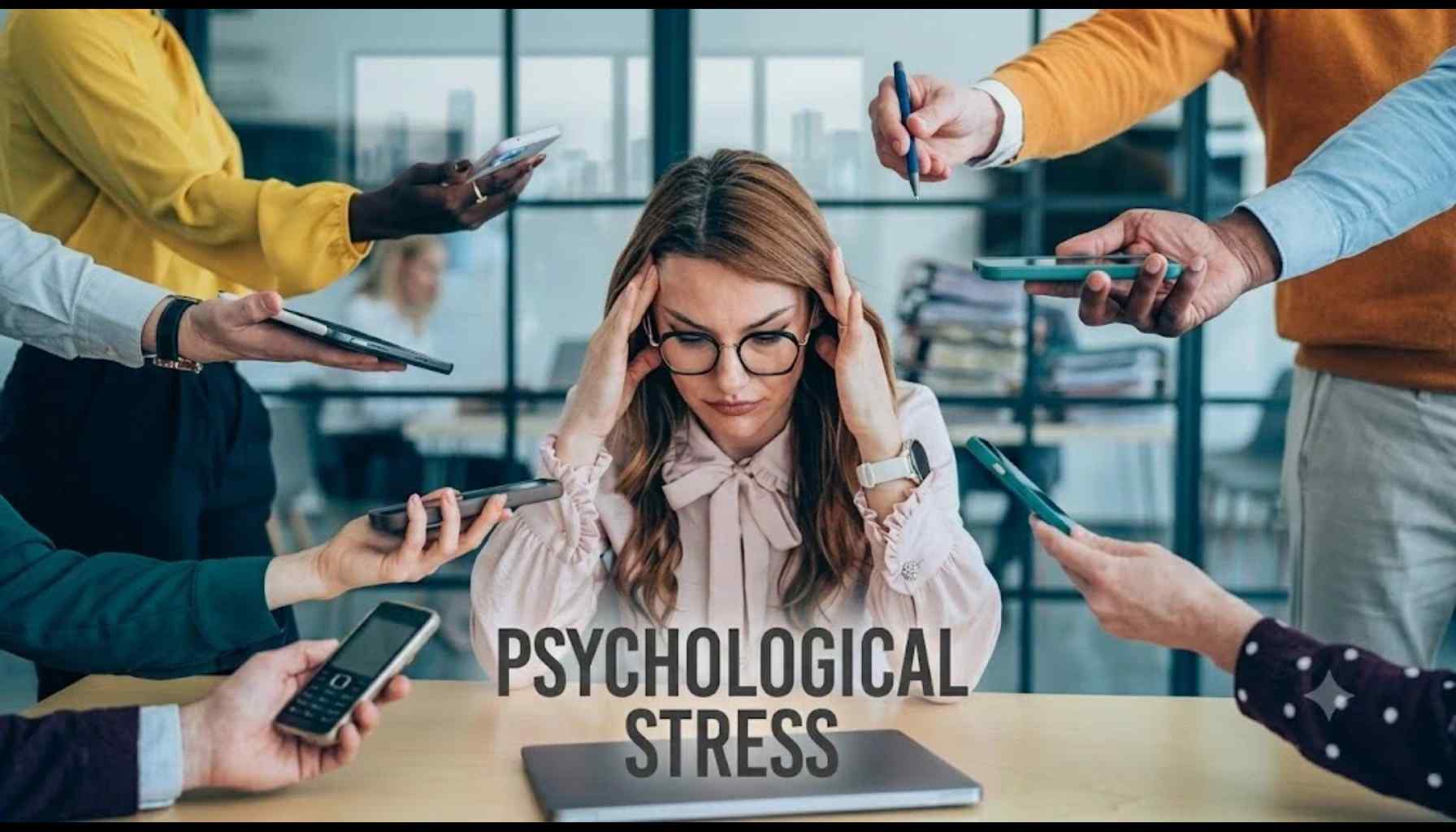
Psychological Stress: Signs & Management
Psychological stress is the mind and body's response to situations that feel demanding, challenging, uncertain, or difficult to manage. Daily activities, relationship problems, money worries, work pressures, changes in one’s life, and any health issues can cause stress. Stress for a short time can even help one become more alert and motivated, but long-lasting stress can impact one’s emotional state, sleeping habits, attention span, and physical well-being.
Not all stress is bad; what matters is whether the reaction is temporary and manageable or lasts for an extended amount of time and disrupts people’s daily lives.
Key Takeaways
- Recognize stress signals before they disrupt daily wellbeing.
- Healthy coping strategies can reduce stress and improve resilience.
- Persistent stress deserves timely professional support when needed.
What Is Psychological Stress?
Psychological stress is the condition wherein an individual experiences the feeling of strain on himself because he feels that he cannot cope with the challenges placed before him. The body reacts to stress by initiating the stress response, raising the heart rate, breathing rate, muscle tension, and alertness.
The hormones produced are cortisol and adrenaline. Stress can either be acute, when it is temporary, or chronic, when it persists because of persistent stressors.
|
|
|
|
|
|
|
|
|
|
|
|
|
|
|
|
|
|
|
|
Common Causes of Psychological Stress
Stressors differ from person to person. What feels manageable to one individual may feel overwhelming to another.
Common causes include:
- Pressure from work and increasing responsibilities
- Financial problems
- Conflict within relationships or families
- Pressure from studies
- Changes in lifestyle
- Death of a loved one
- Stress caused by health issues
- Sleep disorders and lack of proper rest
- Severe traumatic experiences
- Feeling unable to control things that matter
It is crucial to identify the cause of the stress problem since any solution applied must target both the cause and symptoms.
Signs and Symptoms of Psychological Stress
Psychological stress can affect several areas of daily life. Some people primarily notice emotional changes, while others experience physical or behavioral symptoms.
|
|
|
|
|
|
|
|
|
|
|
|
|
|
|
|
|
|
|
|
|
Persistent stress can affect sleep, digestion, mood, cardiovascular health, and immune function. It may also worsen symptoms of existing health conditions.
Three Warning Signs of Psychological Stress
Certain warning signs demand special consideration:
1. Emotional overwhelm: You continually feel unable to cope with regular demands.
2. Alterations in sleeping or concentration: Stress starts affecting your sleeping pattern, focus, memory, or other daily activities.
3. Behavioral alterations: You start isolating yourself from others or lose interest in usual activities.
It should be noted that these warning signs do not necessarily mean that you have some particular mental disorder, but if symptoms persist, then professional help is recommended.
Psychological Stress and Health
Long-term stress can affect multiple body systems. It is associated with problems involving sleep, digestion, mood, cardiovascular health, metabolism, and immune function. Stress may also contribute to or worsen some existing health conditions.
Health Conditions That Stress Management May Support
Stress management should not be considered a cure for disease. Instead, reducing excessive stress may complement appropriate medical care.
|
|
|
|
|
|
|
|
|
|
|
|
|
|
|
|
|
|
|
|
|
|
|
|
People with diagnosed conditions should continue prescribed treatment and discuss persistent stress symptoms with a healthcare professional.
Techniques to Manage Psychological Stress
There is no single technique that works for everyone. A combination of practical, physical, emotional, and social strategies can be useful.
1. Deep Breathing
Slow deep breaths will allow for the body to go into its relaxation response and act as a break from stress.
2. Mindfulness & Meditation
Mindfulness is helpful as it focuses the individual on the present rather than thinking of the past and the possible future stressors.
3. Exercise
Exercising through walking, stretching or yoga allows for relaxation and release of any physical tension.
4. Progressive Muscle Relaxation
This allows the individual to progressively tense and relax various muscle groups.
5. Effective Time Management
Breaking up large tasks into smaller steps and managing time by prioritizing and allowing for reasonable breaks.
6. Talking to Others
Sharing the problem with friends, family, a counselor, etc. will relieve some pressure and stress.
7. Counseling
Counseling may help to understand the cause and develop effective coping methods.
Thoughtful Conclusion
Psychological stress is a normal part of human life, but recognizing when ordinary pressure has become persistent is important. Stress can influence thoughts, emotions, behavior, sleep, and physical health, making early awareness valuable.
Managing stress does not necessarily mean eliminating every difficult situation. Instead, it involves understanding personal stressors, developing healthy coping strategies, maintaining supportive relationships, and knowing when additional help is appropriate. Small, consistent changes can make stressful periods more manageable, while persistent or severe symptoms deserve professional attention. The goal is not to avoid every challenge, but to build healthier ways of responding to them.
Frequently Asked Questions
1. What is a physiological stress example?
A physiological stress example is an increased heart rate, faster breathing, muscle tension, or raised blood pressure during a stressful situation.
2. How can I reduce stress?
You can reduce stress by practising deep breathing, exercising regularly, maintaining healthy sleep habits, organizing responsibilities, connecting with supportive people, and seeking professional help when needed.
3. What are three warning signs of psychological stress?
Three warning signs are persistent feelings of overwhelm, major changes in sleep or concentration, and noticeable behavioral changes such as withdrawal or unhealthy coping.
4. Can psychological stress affect physical health?
Yes, prolonged psychological stress can affect sleep, digestion, cardiovascular health, immune function, mood, and other aspects of physical well-being.
Also Read: Padangusthasana
By Umesh Kumar Khiri


Discussion (0)
No comments yet. Be the first to comment!
Leave a Comment
You need to login to post a comment.