A Brighter Future for Clean Energy in the UK through solar power
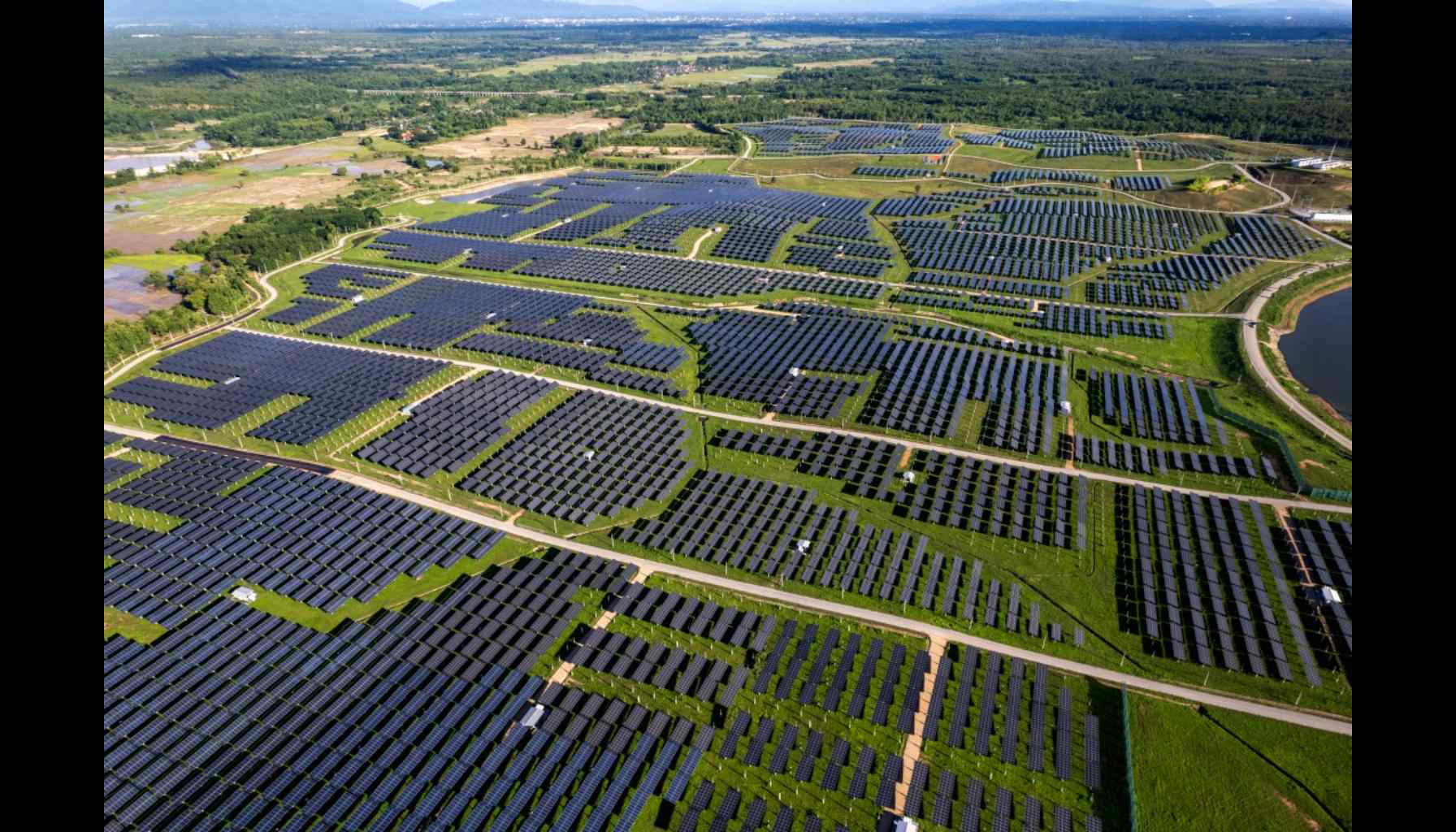
The United Kingdom is increasingly turning to solar power as part of its efforts to reduce carbon emissions, tackle climate change and build a cleaner energy system. Solar farms, which consist of large numbers of solar panels installed across open areas of land, are becoming an important part of this transition. By converting sunlight into electricity, these farms provide a renewable alternative to fossil fuels such as coal and natural gas.
How Solar Farms Work
Solar farms use photovoltaic panels to capture sunlight and convert it into electricity. The electricity generated is collected through electrical equipment and can be supplied to the national grid, helping power homes, schools, hospitals, offices and industries.
Although Britain is not known for having abundant sunshine throughout the year, solar panels can still generate electricity on cloudy days. Longer daylight hours during spring and summer generally allow solar farms to produce more energy during these seasons.
Large solar installations can generate substantial amounts of electricity without releasing greenhouse gases during operation. They also help diversify the UK's energy supply and reduce dependence on imported fossil fuels.
Growing Solar Power Across Britain
Solar farms are being developed across England, Scotland and Wales, with England hosting many of the country's largest projects. Areas with suitable land, access to electricity networks and favourable planning conditions are attractive locations for these developments.
Projects such as the Cleve Hill Solar Park in Kent demonstrate the scale of modern solar energy infrastructure. The project combines solar generation with battery storage, allowing electricity to be stored and supplied when needed.
The UK is also exploring larger solar projects and innovative approaches, including installing panels on industrial sites, rooftops and previously developed land. These options can help expand renewable energy without placing excessive pressure on valuable agricultural areas.
Benefits for the Environment and Economy
By generating electricity from sunlight, they can reduce the need for fossil-fuel power stations and support the country's climate goals.
Solar farms can also create employment opportunities in construction, engineering, maintenance and energy management. Local landowners may receive income by leasing suitable land for renewable energy projects. In some cases, developers also provide community benefits or support local initiatives.
With battery storage, solar farms can store surplus electricity produced during sunny periods and release it later. This can help balance electricity supply, although storage capacity and the availability of other energy sources remain important.
Challenges and Concerns
Despite their advantages, solar farms can raise concerns. Large projects may occupy agricultural land, change familiar landscapes or affect wildlife habitats if poorly planned. Local residents may worry about the appearance of installations, construction traffic and the impact on nearby communities.
Responsible planning can reduce these problems. Developers can protect hedgerows, create wildflower meadows, establish wildlife corridors and maintain suitable habitats around solar panels. Some projects may also allow sheep to graze between panel rows.
Using rooftops, brownfield sites and land of lower agricultural value can further reduce conflicts over land use. Careful consultation with local communities is essential to ensure that renewable energy development benefits both people and nature.
The Future of Solar Energy in the UK
The future of solar farms will depend on investment, planning decisions, electricity-grid capacity and improvements in energy storage. Combining solar power with wind energy, batteries and other reliable sources can help provide a more stable electricity supply.
Solar farms are not a complete solution to Britain's energy needs, but they are an important part of a broader clean-energy strategy. With thoughtful planning and environmental safeguards, they can generate electricity while supporting local biodiversity and economic development.
Ultimately, the growth of solar farms represents an important step towards a sustainable future. By making better use of sunlight and embracing renewable technology, the UK can move closer to a cleaner, more resilient and lower-carbon energy system.
We wish them all the best.
By Jamuna Rangachari



Discussion (0)
No comments yet. Be the first to comment!
Leave a Comment
You need to login to post a comment.