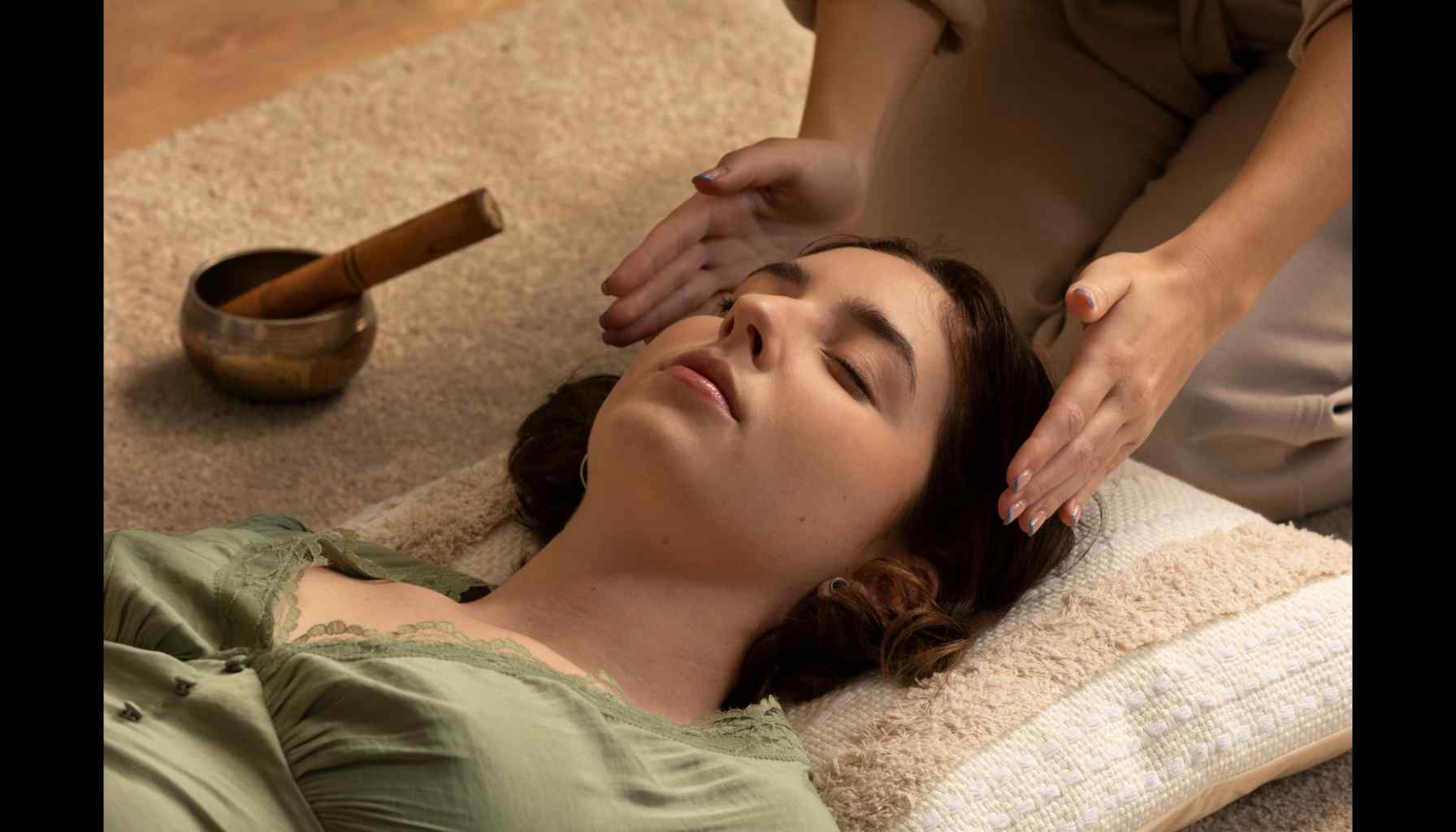
Somatic Healing: Process, Methodology, Benefits & Healthy Lifestyle
Introduction
Somatic healing is a body-oriented approach to wellbeing that explores the relationship between bodily sensations, emotions, thoughts, movement and the nervous system. Rather than focusing only on what a person thinks or talks about, somatic approaches encourage people to notice what is happening in the body in the present moment. This may include awareness of breathing, muscle tension, posture, heartbeat, temperature, movement and other physical sensations.
Somatic practices are increasingly discussed within trauma-informed wellness because stress and difficult experiences can influence how the body responds to everyday situations. Gentle body awareness, grounding, breathing and movement may help some people develop greater awareness and regulation. However, somatic practices are not a universal cure for trauma or mental-health conditions. Their usefulness can vary from person to person, and trauma-related concerns may require support from a qualified mental-health professional.
A safe approach emphasizes curiosity rather than force. The objective is not to make difficult emotions disappear or to deliberately relive distressing experiences. Instead, somatic wellness can involve learning to notice bodily experiences, remain connected with the present moment and develop healthy ways of responding to stress.
Somatic Healing
Somatic healing broadly refers to practices that work with the body as an important part of emotional and psychological wellbeing. The word “somatic” comes from the Greek word soma, meaning body. In wellness settings, somatic approaches may include body awareness, mindful breathing, grounding, gentle movement, relaxation and attention to physical sensations.
Some approaches are therapeutic and should be undertaken with appropriately trained practitioners, while others are simple self-care practices. The distinction is important. A short body scan or grounding exercise can be a general wellness activity, whereas working therapeutically with trauma or severe emotional distress requires greater care and professional support.
Understanding Somatic Healing
The Mind-Body Connection
The mind and body continuously influence each other. Thoughts and emotions can affect breathing, muscle tension, posture, energy and sleep. Similarly, physical discomfort, fatigue, illness or prolonged tension can influence mood and concentration.
Somatic practices encourage people to recognize these connections. Instead of automatically reacting to discomfort, a person may pause and ask: “What am I noticing in my body right now?” This simple observation can create an opportunity to respond more deliberately.
Body Awareness and Emotional Experiences
Emotions can be accompanied by physical sensations. Anxiety may be experienced as a racing heartbeat, tight shoulders or a sensation in the stomach. Anger may involve muscle tension or increased energy. Sadness may be associated with heaviness, tiredness or changes in breathing.
These experiences are individual and should not be interpreted according to rigid rules. A particular sensation does not necessarily indicate a specific emotion. Somatic awareness simply provides an opportunity to notice bodily experiences without immediately judging or explaining them.
Stress Responses and Nervous-System Regulation
When people encounter perceived threats or prolonged stress, the body can respond through changes in heart rate, breathing, muscle tension, attention and alertness. Common descriptions include fight, flight, freeze and related stress responses.
Somatic practices may support relaxation and awareness by encouraging slower breathing, grounding, gentle movement and attention to the present environment. These practices should be approached gradually, particularly by people who become overwhelmed when focusing closely on bodily sensations.
Somatic Healing Methodology
Developing Body Awareness
The first step is learning to notice the body. Sit comfortably and observe your posture, breathing, muscle tension and contact with the floor or chair. There is no need to change anything immediately.
Start with neutral or comfortable sensations. For example, notice the feeling of your feet touching the ground or your hands resting on your lap. This can make body awareness feel less demanding.
Identifying Physical Sensations and Emotional Patterns
Over time, a person may begin to recognize recurring patterns. Perhaps the shoulders become tense during work pressure, breathing becomes shallow during worry, or the stomach feels uncomfortable during conflict.
The purpose is observation rather than diagnosis. A journal can be useful for recording situations, sensations, emotions and responses. Such observations may reveal patterns that can then be discussed with a qualified professional when appropriate.
Grounding and Regulation Practices
Grounding involves reconnecting attention with the present environment. A simple exercise is to notice five things you can see, four things you can physically feel, three sounds you can hear, two smells and one taste.
Other grounding methods include feeling the feet against the floor, holding a comfortable object, looking around the room slowly or taking a few calm breaths. The most suitable method differs between individuals.
Gentle Movement and Mindful Body Exploration
Movement can help people reconnect with their bodies without requiring strenuous exercise. Slow stretching, walking, shoulder rolls, gentle yoga or relaxed shaking movements may be explored according to comfort.
Movement should remain gentle and voluntary. Pain, dizziness or significant discomfort is a signal to stop rather than push through.
The Somatic Healing Process
Creating a Safe and Comfortable Environment
Choose a quiet and comfortable setting where you can sit or lie down safely. Avoid practicing when you are driving, operating machinery or in a situation requiring immediate attention.
Comfort and choice are important. You should be able to pause, open your eyes, change position or stop the exercise whenever necessary.
Connecting With Present-Moment Body Sensations
Begin by noticing simple sensations. Feel the support of the chair, the movement of your breathing or the temperature of your hands.
There is no requirement to search for hidden emotions or memories. Present-moment awareness can remain simple.
Observing Sensations Without Judgment
Instead of labeling a sensation as “good” or “bad,” describe it neutrally. It might feel warm, cool, tight, heavy, light, still, restless or comfortable.
This attitude can reduce the tendency to immediately react to every uncomfortable sensation.
Using Breath, Movement and Grounding
Breathing, movement and grounding can be used to shift attention and encourage a calmer state. For example, you might gently lengthen the exhalation without forcing the breath, move the shoulders slowly or notice the support beneath your feet.
If a technique increases anxiety or discomfort, discontinue it and return to a neutral activity.
Integrating Insights Into Everyday Life
Somatic wellness becomes more useful when it extends beyond formal practice. A person might notice rising tension during a stressful meeting and take a brief pause, relax the shoulders or reconnect with the feet on the floor.
The objective is not constant monitoring of the body. Rather, it is developing a practical awareness that can support everyday choices.
Potential Benefits of Somatic Practices
Greater Body Awareness
Regular body-awareness practices can help people become more familiar with physical sensations, tension patterns, breathing and posture. This may improve recognition of early signs of stress.
Stress Management and Relaxation
Grounding, gentle movement and mindful breathing can provide opportunities to pause during stressful situations. For some people, these practices may promote relaxation and help create a transition between demanding activities and rest.
Emotional Awareness and Self-Regulation
Greater awareness of bodily experiences may help people recognize emotional changes earlier. Instead of automatically reacting, they may learn to pause, observe and choose a response.
Improved Mind-Body Connection
Somatic practices emphasize that physical and emotional wellbeing are interconnected. This can encourage people to consider sleep, movement, nutrition, relationships and emotional wellbeing as parts of an integrated lifestyle.
Greater Sense of Safety and Personal Agency
Being able to choose whether to continue, pause or modify an exercise can reinforce personal agency. In trauma-informed settings, choice and control are particularly important.
Somatic Practices for Everyday Wellness
Grounding Exercises
Grounding can be practiced almost anywhere. Feel your feet against the floor, identify objects around you and notice sounds in the environment. These simple actions can redirect attention from worrying thoughts toward the present moment.
Mindful Breathing
Sit comfortably and notice the natural rhythm of breathing. Allow the breath to remain easy rather than trying to breathe deeply or forcefully. If comfortable, make the exhalation slightly longer than the inhalation.
People who experience breath-focused practices as uncomfortable can instead focus on visual or tactile sensations.
Gentle Movement and Stretching
Slow walking, stretching, mobility exercises and gentle yoga can encourage physical awareness. Move within a comfortable range and avoid treating discomfort as something that must be overcome.
Body Scanning and Sensory Awareness
A body scan involves gradually bringing attention to different areas of the body. Begin with the feet and move upward, or choose another sequence.
Notice sensations without needing to change them. If focusing on the body becomes uncomfortable, return attention to the room or another neutral external sensation.
Relaxation and Restorative Practices
Restorative activities may include quiet walking, comfortable stretching, progressive relaxation, listening to calming music or spending time in nature. The aim is to create regular opportunities for recovery rather than remaining constantly activated.
Somatic Healing and Trauma-Informed Care
Understanding Individual Stress Responses
People respond to difficult experiences differently. One person may become highly alert and restless, while another may withdraw or feel disconnected. There is no single correct stress response.
Trauma-informed care therefore avoids assuming that the same exercise will work for everyone.
Establishing Safety and Emotional Regulation
Safety should come before intensive exploration. Practitioners may help clients identify grounding strategies and recognize early signs of overwhelm before exploring difficult experiences.
A person should retain the right to pause or stop a practice.
Gradual Exploration of Difficult Sensations
For someone with trauma-related symptoms, focusing intensely on bodily sensations may sometimes increase distress. Gradual exploration, appropriate pacing and professional guidance can therefore be important.
There is no need to force emotional release, search for traumatic memories or interpret every physical sensation as evidence of past trauma.
Professional Trauma-Informed Support
People experiencing persistent trauma symptoms, severe anxiety, depression, dissociation, panic or other significant difficulties should consider professional mental-health support. A qualified practitioner can determine whether somatic approaches are appropriate and how they can be integrated safely with other forms of care.
Lifestyle Habits That Complement Somatic Healing
Restful Sleep and Recovery
Sleep provides an important opportunity for physical and psychological recovery. Maintaining a regular sleep schedule, creating a comfortable sleeping environment and reducing stimulating activities before bedtime can support healthy rest.
Regular Gentle Physical Activity
Walking, stretching, swimming, yoga or other enjoyable forms of physical activity can complement body-awareness practices. Exercise intensity should reflect individual health, fitness and medical considerations.
Balanced Nutrition and Hydration
Regular meals containing vegetables, fruits, whole grains, protein sources and healthy fats can support general wellbeing. Adequate hydration is also important.
Somatic practices should not be used as a substitute for nutritional or medical care.
Mindfulness and Meditation
Mindfulness encourages present-moment awareness of thoughts, emotions and sensations. Meditation can complement somatic practices when it feels comfortable. Some people may prefer movement-based mindfulness if sitting still increases discomfort.
Healthy Relationships and Emotional Boundaries
Supportive relationships can contribute to emotional wellbeing. Healthy boundaries involve recognizing personal needs, communicating clearly and allowing appropriate space for rest and recovery.
Building a Sustainable Somatic Wellness Routine
Starting With Short Practices
Beginners can start with two to five minutes of grounding, breathing or gentle movement. Short practices are often easier to incorporate consistently than lengthy sessions.
Practicing Consistently Without Force
Consistency is more important than intensity. A gentle daily practice may be more sustainable than occasional sessions that feel overwhelming.
Recognizing Personal Limits
Learn to notice signs that a practice is becoming too intense. These may include escalating anxiety, dizziness, panic, numbness, confusion or feeling disconnected from the surroundings.
Stopping or changing the exercise is an appropriate response.
Combining Somatic Practices With Other Wellness Habits
Somatic practices work well alongside healthy sleep, physical activity, nutritious food, meaningful relationships, relaxation and appropriate healthcare. They should be viewed as one part of a broader approach to wellbeing.
Choosing a Somatic Practitioner
Relevant Training and Experience
When seeking professional support, ask about the practitioner's education, relevant qualifications, experience and the specific approach they use.
If trauma is involved, look for appropriate trauma-informed training rather than relying solely on a general wellness certification.
Trauma-Informed and Ethical Practice
A responsible practitioner should respect individual experiences and avoid promising guaranteed healing. Be cautious of claims that a particular technique can cure all trauma, release every stored emotion or eliminate the need for conventional healthcare.
Clear Boundaries and Informed Consent
Clients should understand what a session involves and be able to ask questions before participating. Consent should be ongoing rather than treated as a one-time agreement.
Physical touch, if relevant to a particular practice, should never be assumed or imposed.
Personalized Pace and Support
A good practitioner adapts the pace to the individual. What feels manageable for one person may feel overwhelming to another. Personal choice and communication should remain central throughout the process.
Safety and Important Considerations
Avoiding Forceful Emotional Processing
Somatic wellness is not about forcing tears, shaking, emotional release or traumatic memories. Strong emotional experiences are not automatically evidence that healing has occurred.
Gentleness and choice are more appropriate than pressure.
Recognizing Overwhelm During Practice
If you feel increasingly distressed, stop the practice. Open your eyes, look around the room, place your feet firmly on the floor and orient yourself to the present environment.
If distress continues or feels severe, seek appropriate professional support.
Understanding the Limits of Somatic Techniques
Somatic practices can support wellbeing, but they are not a replacement for diagnosis or treatment of medical or mental-health conditions. Evidence for different somatic approaches varies, and claims should be considered carefully.
When Professional Mental Health Support Is Appropriate
Professional help is especially important when emotional difficulties interfere with daily functioning or involve persistent anxiety, depression, panic, trauma symptoms, self-harm thoughts, severe dissociation or other significant concerns.
Urgent mental-health or emergency support should be sought when there is immediate danger or risk of harm.
Frequently Asked Questions
Somatic Healing for Beginners
What is the simplest way to begin somatic healing?
Start with a brief grounding practice. Sit comfortably, notice your feet against the floor and observe your surroundings. You can then spend a minute noticing your breathing without trying to change it.
Somatic Practices for Stress Management
Can somatic practices help with everyday stress?
They may help some people become more aware of tension and create opportunities to pause and regulate. Gentle breathing, grounding, stretching and mindful movement are practical starting points.
Somatic Healing and Emotional Wellness
Can somatic practices improve emotional awareness?
They may help people notice the physical aspects of emotional experiences. However, bodily sensations do not always have one fixed emotional meaning. Personal context and individual differences matter.
Somatic Healing and Trauma Recovery
Can somatic healing treat trauma?
Some body-oriented therapeutic approaches are used within trauma-informed care, but trauma recovery is individual and may require professional mental-health treatment. Somatic practices should not be presented as a guaranteed cure or as a replacement for evidence-based care.
Beginning a Safe and Sustainable Somatic Wellness Journey
Somatic healing offers a way of paying attention to the body as part of overall wellbeing. Through grounding, mindful breathing, gentle movement, body awareness and relaxation, people can develop a more conscious relationship with physical sensations and everyday stress.
The most useful approach is generally gradual and compassionate. Begin with simple practices, remain within comfortable limits and avoid forcing emotional experiences. If a practice increases distress, stop and seek appropriate guidance.
Somatic wellness can be combined with adequate sleep, regular movement, balanced nutrition, mindfulness, supportive relationships and professional healthcare when needed. For people dealing with trauma or significant emotional difficulties, qualified trauma-informed support can provide additional safety and individualized guidance.
Ultimately, somatic healing is less about trying to control every sensation and more about developing a respectful awareness of the body. With patience, consistency and appropriate boundaries, this awareness can become one practical component of a broader healthy lifestyle.
Wish you a happy life with deep awareness
By Jamuna Rangachari


Discussion (0)
No comments yet. Be the first to comment!
Leave a Comment
You need to login to post a comment.