
The choice is yours
September 2023
Food
Naini Setalvad educates us about the vast variety of sugars available for us to select from, using our discretion Be it colourful candy, mouth-watering mithai, or the comforting crystals added to our morning tea, sugar is in all things delicious. Being rather addictive, it has found its way into many dishes and is difficult to let go of. All those with a sweet tooth sighed in relief at the discovery of artificial sweeteners in the 1880s. Replacing processed sugar with these alternatives, little did they know that what they considered ‘good’ was still detrimental to their health. With several sugar substitutes and alternatives in the market, here is a lowdown on their benefits and drawbacks so that you can make an informed choice.
Before we dive deep into the various sweet eners, let’s understand what ‘glycaemic index (GI)’ means. It is a rating system that ranks di etary sugars on a scale of 1 to 100, based on how much they raise blood sugar. The higher the rise in blood sugar, the more susceptible is one to lifestyle diseases like diabetes, gut disrup tion, and hormonal disorders. The GI ratings are interpreted as follows:
low GI/low rise in blood sugar: 55 or less; medi um GI/medium rise in blood sugar: 56–69; high GI/high rise in blood sugar: 70–100
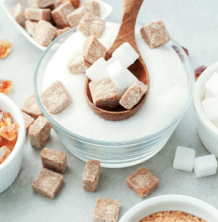
Processed Sugars
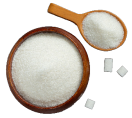
Sucrose: The infamous table sugar, present in most kitchens, has a high GI score of 70. Derived
from sugarcane or sugar beet, this ultra-refined commodity has no vita
mins, minerals, or fibre.
Researchers have linked it to obesity, diabetes, hormonal disruption, heart disease, kidney impairment, and eye degeneration.
High fructose corn syrup: This devil in dis guise is the ultra-processed corn starch found in boxed cereals, candy, aerated drinks, and packaged fruit juices. Ranking a high 87, it can be a major cause of weight gain, insulin resist ance, and diabetes.
Brown sugar: If you believe by switching from white sugar to brown sugar you will be fitter, you are kidding yourself. Brown sugar is sim ply white sugar with brown molasses added to it. This increases the GI of white sugar from 70 to 75!
Natural Sugars
Jaggery: With a high GI of 84, it too can spike up your sugar levels, although it contains trace minerals. So don’t believe the myth that it does not take up your sugar levels.
Maple syrup: The caramel-coloured liquid not only makes for a delicious pancake topping but is much lower on the glycaemic scale than pro cessed sugar. Made from maple leaves, it has a relatively low GI of 54, with small amounts of zinc.
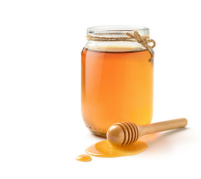
Honey: It’s no coincidence that ‘honey’ is used as an affectionate term for one’s sweet heart. This golden liquid is not only a natural sweetener but is also used
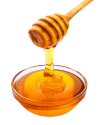
in herbal medication for respiratory infections and skin disorders.
Although it has a low GI of 50, I have noticed that one always uses an excess of it due to its liquid nature.
Coconut sugar: Made from coconut sap, this sugar has a low GI of 54. Containing small amounts of nutrients, it is a better alternative to table sugar. But then, again, with a distinct flavour, it needs to suit all palates.
Agave nectar: This Mexican import, which is also a precursor to tequila, is quite low on the GI scale, ranking only 19! Containing strong caramel notes, it’s a vegan alternative to honey. Unfortunately, it’s not cost-effective.
Date sugar: This is made from dehydrated and dried dates that are ground to form a powder. With a GI of 42,
it imparts its own distinct flavour to foods.
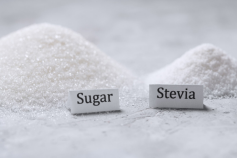
Stevia: An all-natural, zero-calorie sweetener, this sugar is derived from the leaves of the stevia plant. It is 300 times sweeter than conventional sugar and thus can be used sparingly. It’s safe for diabet ics but has an after-taste that may not appeal to all.
Artificial Sugars
Aspartame: Controversy’s new king, aspar tame has been a popular news feature for the past few weeks. With the WHO officially term ing it “possibly carcinogenic (cancer-causing substance),” many were left aghast as it had been a popular zero-calorie sweetener for dec ades. They eventually clarified that it was safe to use under 40 mg per day.
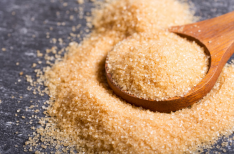
For context, one Brown sugar is not healthy would need to consume 14 cans of diet soda to reach this threshold. These claims are nascent, and a lot more research is required to come to a conclusion.
Sucralose: This is a common household sug ar substitute which is 600 times sweeter than table sugar. It is safe for diabetics, but its long term use is linked with
disruption of immunity maintaining gut microbes.
Sugar alcohols: Sugar alcohols like xylitol, maltitol, and erythritol are popular sugar substitutes in the baking industry. They do occur
naturally in fruits and vegetables but are industrially produced. They have a GI ranging from 2 to 12 and are considered safe for diabetics.
Notably, they are hard to digest and c a n lead to bloating, flatulence, stomach pain, and diarrhoea.
One is not short of options when it comes to sugars and their substitutes. I personally would opt for a low-calorie, low-GI, natural sweetener. Regardless of the source, always remember—moderation is key!
Recipe
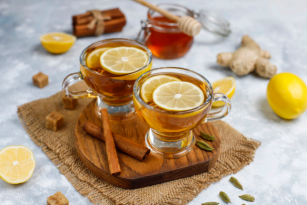
Lemon Tea
Ingredients
1 cup water
1 tsp crushed fresh ginger A sprig of lemongrass
1 tsp lemon juice
1/4 tsp liquid stevia
Method
1. Add ginger and lemongrass to the water and boil.
2. Take off the heat and add lemon juice and stevia.
3. Serve hot.
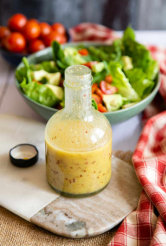
Honey-Mustard Dressing
Ingredients
2 tbsp olive oil
1 tbsp honey
2 tbsp mustard sauce
2 tbsp lemon juice
Salt to taste
Method
1. Whisk the honey, mustard, olive oil, lemon juice, and salt together.
2. Pour over your salad of choice.
Naini Setalvad is a nutritionist, specialising in lifestyle and immunity disorders. Her foundation, Health For You, throws light on healthy food habits. Contact her at healthforyou@nainiseta
Discussion (0)
No comments yet. Be the first to comment!
Leave a Comment
You need to login to post a comment.