Yoga for Better Posture
Poor posture can slowly become a way of life. Sitting at one’s desk, hunched over a mobile device, driving, or sitting for many hours will tend to lead to rounded shoulders, a head-forward posture, and a lack of spinal mobility. Yoga for better posture can help in building the necessary muscle strength and flexibility to attain good posture. Instead of forcing the body to be straight, a regular yoga practice can help strengthen the muscles that result in poor posture. Explore yoga for better posture that helps you gain confidence.
Key Takeaways
-
Aligns Spine and Shoulders: Open chest and back stretches correct slumping and rounded shoulders.
-
Strengthens Postural Support: Builds core and back strength to maintain upright alignment easily.
-
Enhances Body Awareness: Promotes mindful movement and habit awareness during daily sitting and standing.
Yoga for Better Posture: 5 Poses
Some of the common yoga poses that lead to better posture are as follows:
|
|
|
|
|
|
|
|
|
|
|
|
|
|
|
|
|
|
|
|
|
|
|
|
|
|
|
|
|
|
Benefits of Yoga for Posture
Some of the benefits of regular yoga sessions are described below:
|
|
|
|
|
|
|
|
|
|
|
|
|
|
|
|
|
|
|
|
|
Simple Yoga Routine for Posture
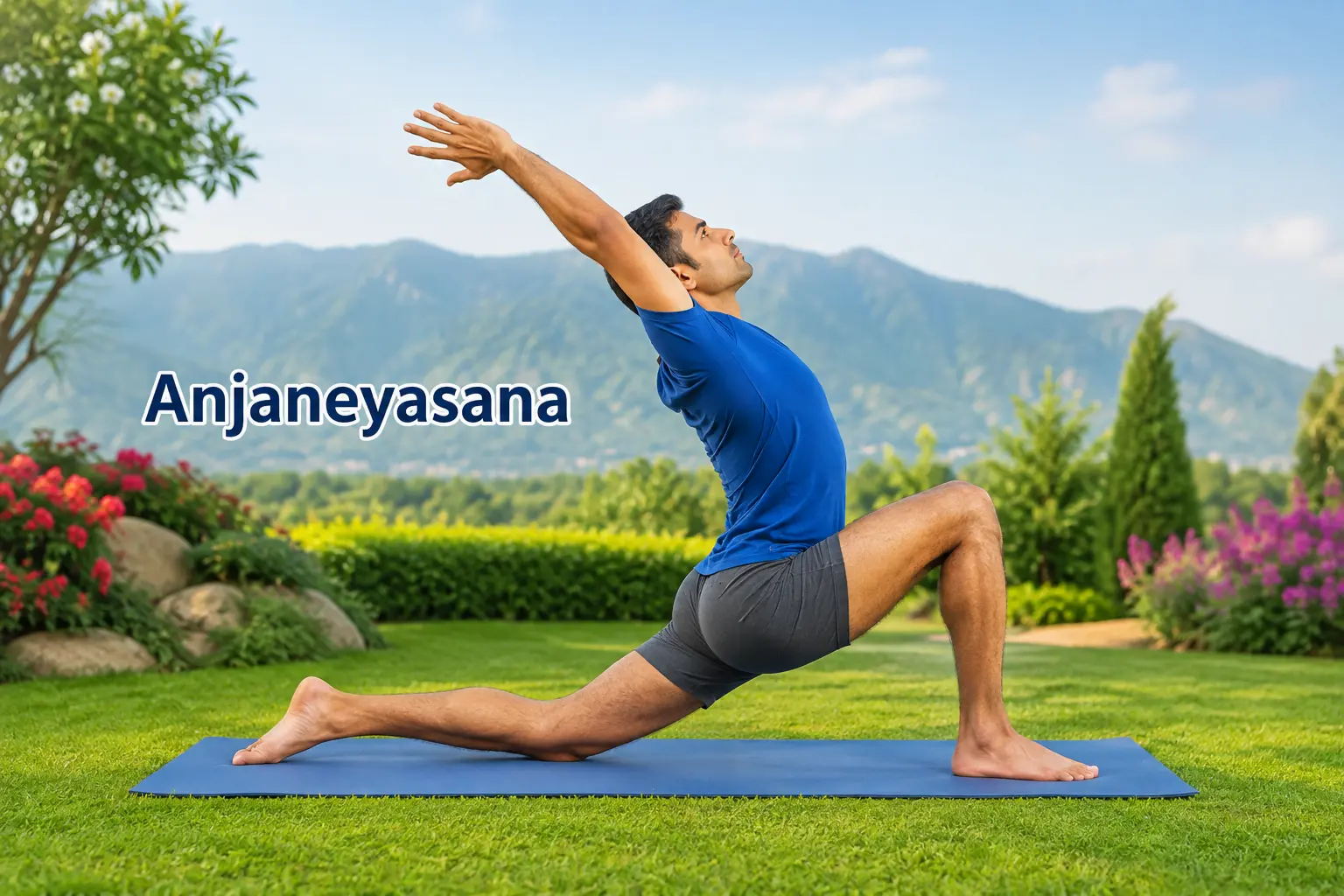
Begin with Tadasana to achieve an understanding of proper alignment of standing posture. Progress to Bhujangasana to start working the back muscles and stretching the front of the body. Work on the Anjaneyasana on both legs to stretch the hip flexors. For those who can, incorporate Ustrasana in their practice but without causing discomfort.
It is not recommended to force the shoulders backwards or pull your chin too much to the chest. It is better to be consistent than to practice difficult asanas from time to time.
Precautions
- Do not try to impose a certain position upon your spine.
- All movements should be slow and careful.
- Do not force any backbends or stretching if they cause you pain.
- Incorporate modifications to Ustrasana if you have poor spinal and hip mobility.
- Use props for the positions if necessary.
- Practice slowly if you feel occasional tightness.
- Do not do the exercise if you have any spinal, neck, shoulder, or hip disorder.
- Stop practicing if you feel sharp pain, numbness, dizziness, or other unusual feelings.
To Conclude
Posture is not only a matter of standing up straight all the time. Posture entails having the necessary strength, flexibility, and body awareness to move and stand in comfortable positions. Yoga combines all these elements through movement and not through correction of posture.
Through poses like Tadasana, Bhujangasana, Ustrasana, Balasana, and Anjaneyasana, you are able to have a balanced yoga practice that will help you improve your alignment, spine movements, opening of the chest, strengthening of your back, and hip flexibility.
FAQs
1. Can yoga really improve poor posture?
Yoga may support better posture by combining strengthening, mobility, and body-awareness exercises. Regular practice can help develop the physical control required for maintaining comfortable alignment.
2. Which yoga pose is best for correcting posture?
There is no single pose suitable for everyone. Tadasana is a useful starting point because it teaches awareness of whole-body alignment, while poses such as Bhujangasana and Anjaneyasana address other aspects of postural movement.
3. Can yoga help with rounded shoulders?
Poses that strengthen the upper back and gently open the chest may be useful for people who spend long periods in forward-rounded positions. Bhujangasana can be incorporated into an appropriate routine for this purpose.
4. How often should I practise yoga for posture?
A short, consistent practice is generally more practical than occasional intense sessions. Begin with a manageable routine and gradually increase duration as your comfort and technique improve.
Disclaimer:
The content on LifePositive.com, including articles/blogs on yoga, acupuncture, naturopathy, and other alternative healing modalities for holistic wellness, is for informational and educational purposes only. It is not a substitute for professional medical advice, diagnosis, or treatment. Always consult a qualified healthcare provider before starting any new health protocol or making changes to an existing treatment plan.
By Umesh Kumar



Discussion (0)
No comments yet. Be the first to comment!
Leave a Comment
You need to login to post a comment.