Yoga for Lumbar Pain
Discomfort in the lumbar area, i.e., pain in the lower part of the back, could affect your ability to sit, walk, exercise, and even sleep comfortably. Long periods of sitting, tight muscles, bad mechanics of movement, and physical strain could all be factors contributing to the discomfort in your back. Yoga for lumbar pain could help by providing a smooth combination of flexibility, strength building, stretching, and controlled breathing that would positively affect your back. Still, the proper kind of yoga would have to suit your physical capabilities. Regular sessions of yoga can help you heal.
Key Takeaways
- Relieves Back Tension: Gentle poses like Balasana and Bhujangasana ease lower back tightness.
- Strengthens Core Muscles: Builds abdominal and back support to reduce lumbar strain.
- Improves Spinal Flexibility: Controlled stretching restores healthy movement and mobility.
Yoga for Lumbar Pain: 5 Poses
Some of the common yoga poses that can provide lumbar pain relief are as follows:
|
|
|
|
|
|
|
|
|
|
|
|
|
|
|
|
|
|
|
|
|
|
|
|
|
|
|
|
|
|
These movements represent different aspects of a back-care practice, including spinal mobility, controlled extension, strengthening, rotation, and relaxation.
Benefits of Yoga for Lumbar Pain
Some of the benefits of regular yoga sessions are as follows
|
|
|
|
|
|
|
|
|
|
|
|
|
|
|
|
|
|
|
|
|
A Simple Routine
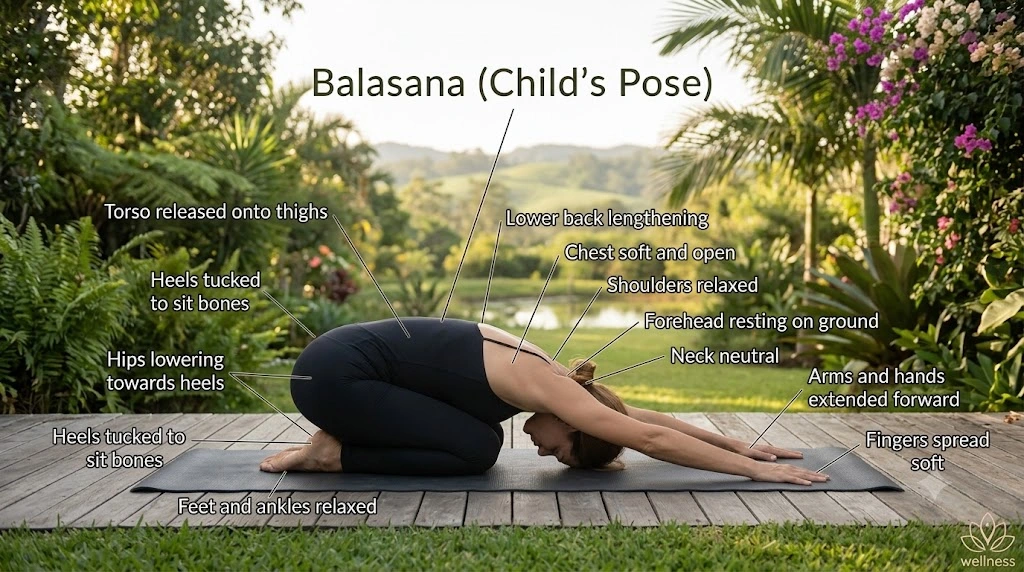
Start by doing rounds of Marjaryasana-Bitilasana to warm up the spine. Next, move on to Bhujangasana, but keep the stretch gentle and not forced. Do Setu Bandhasana with control, then do Supta Matsyendrasana on both sides. End your session by doing Balasana and allow your breath to be slow and relaxed.
The idea here is to get a good movement without pushing for too much flexibility. If the poses increase the discomfort levels, limit the extent of the pose.
Precautions
- Proceed with caution and without quick movements.
- Do not force the backbends or twisting of the spine.
- Stop if you feel any sharp or increasing pain.
- Stop immediately if there is numbness or a tingling sensation.
- Use pillows or blankets for more support, if needed.
- Starters should begin with less complicated versions.
- Patients with spinal injury should get professional advice.
- Medical help is advised for severe and chronic back pain.
Final Thoughts
Caring for the lumbar spine does not have to be an exercise requiring complex actions. Here are five variations in introducing flexibility, strength, and relaxation – Marjaryasana-Bitilasana, Bhujangasana, Setu Bandhasana, Supta Matsyendrasana and Balasana.
It is vital to remember that one needs to cooperate with their body and not fight it. Move gradually, breathe normally, and pay attention to signs of pain. Yoga could become a valuable addition to the general care program, yet chronic or severe symptoms should be evaluated by professionals.
FAQs
1. What yoga asana is best for my lumbar region?
Asanas such as Marjaryasana-Bitilasana, Bhujangasana, and Setu Bandhasana can be considered depending on how comfortably they are done and the adjustments made.
2. Can I perform these poses as a beginner?
Of course you can. Begin with gentle versions of these poses and a limited range of motion. Breathing, comfortable body position, and steady progression are what matter.
3. Could yoga worsen my back pain?
It could happen if you perform the pose incorrectly, push yourself too hard, or do a pose unsuitable for your condition. Stop doing a pose that exacerbates your symptoms.
4. How long should I practice yoga for lumbar pain?
Don't start with an intense session. A short period would suffice, as consistency and the right technique count more than duration.
Disclaimer: The content on LifePositive.com, including articles/blogs on yoga, acupuncture, naturopathy, and other alternative healing modalities for holistic wellness, is for informational and educational purposes only. It is not a substitute for professional medical advice, diagnosis, or treatment. Always consult a qualified healthcare provider before starting any new health protocol or making changes to an existing treatment plan.
By Umesh Kumar



Discussion (0)
No comments yet. Be the first to comment!
Leave a Comment
You need to login to post a comment.