Muscle Stress: Causes, Relief and Relaxation Tips
Managing muscle stress requires targeted movement that increases circulation, releases trapped physical tension, and speeds up recovery after long hours of strain.
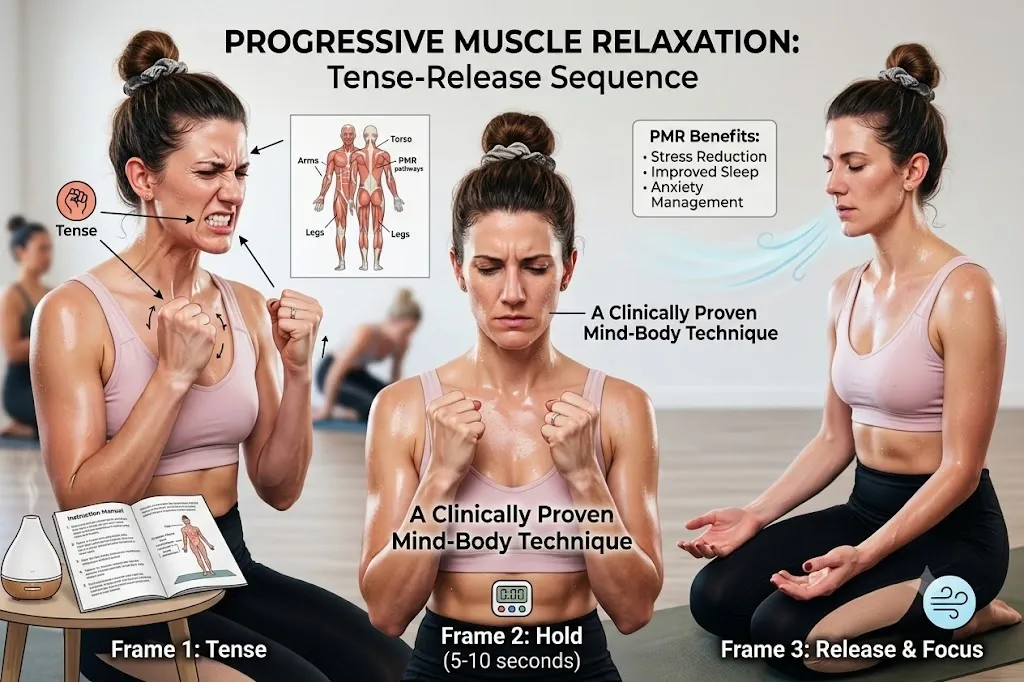
When life becomes too much to handle, your body retains the tension long after the moment has passed. The physical response of muscle stress results in your shoulders raising towards your ears, tightening your jaw, and causing fatigue in your muscles. The progressive muscle relaxation technique aims to address this physical tension that accumulates in our bodies during stress. With PMR, you learn to differentiate between muscle tension and muscle relaxation.
Key Takeaways
-
Active Tension Release: Progressive Muscle Relaxation (PMR) systematically tenses and releases muscle groups to break the physical loop of chronic stress.
-
Nervous System Reset: Tensing and relaxing muscles triggers the parasympathetic response, lowering heart rate, blood pressure, and anxiety levels.
-
Everyday Accessibility: Practicing PMR daily builds mind-body awareness, making it easier to spot and dissolve physical strain early.
Ways to Relieve Muscle Stress
Physical anxiety often manifests as severe muscle stress, leaving your shoulders, neck, and back feeling tight and fatigued.
Whenever you feel any form of psychological pressure, your body triggers the fight-or-flight response, and the tightening of muscles acts as a defensive measure against this. However, since stress is persistent, your muscles will remain semi-contracted for quite some time, thus causing soreness, stiffness, and exhaustion.
The Mechanism Behind the Technique:
- Breaking the Tension Cycle: By contracting your muscles intentionally for several seconds, your brain will instruct itself to release even more muscle fibers as soon as you relax.
- Activation of the Parasympathetic Response: Your body is triggered into a relaxation process, which lowers your levels of cortisol and reduces your heart rate while encouraging deep breathing.
- Developing an Intimate Relationship Between Your Body and Brain: Intentionally contracting your muscles will allow you to become more sensitive to tension in your muscles at all times.
Muscle Stress and Relaxation
Practicing progressive muscle relaxation systematically reduces accumulated muscle stress throughout the entire body. Follow these steps:
|
|
|
|
|
|
|
|
|
|
|
|
|
|
|
|
|
|
|
|
|
|
|
|
|
|
|
|
Precautions for Progressive Muscle Relaxation
Chronic muscle stress can lead to tension headaches, shallow breathing, and poor sleep quality if left unmanaged. Some of the precautions for PMR are as follows:
- Steer Clear of Damaged Muscles: Refrain from contracting muscles that are presently damaged or painful in any way.
- Avoid Overstraining Yourself: Strain the muscles steadily but moderately without causing them to contract so much that they start cramping or give rise to any pain at all.
- Breathe Normally: Make sure never to hold your breath while you strain your muscles. Breathe in while you strain them and breathe out when you relax them.
- Find a Quiet Place: Locate an environment which is comfortable, peaceful, and undisturbed by any distractions for the duration of this process.
- Formulate Your Own Routine: Spend at least 10 to 15 minutes a day working on strengthening your muscles and their endurance capabilities.
Concluding Thoughts
Whereas stress may be unavoidable in today’s society, carrying stress in your muscles is not. Managing muscle stress can involve gentle movement, adequate rest, relaxation techniques, and healthy daily habits. Progressive Muscle Relaxation is a proven, easy way to identify the earliest indications of stress in your muscles and methodically alleviate the physical tension in your body.
Learning how your muscles differ between tension and relaxation through this exercise breaks the cycle of physical stress and allows you to achieve a more relaxed state. Taking time out of your day for this exercise will do wonders for your peace of mind.
Frequently Asked Questions
1. What is the period of relief from muscle stress in Progressive Muscle Relaxation?
A lot of people feel instant physical relief and become calm after 10 to 15 minutes of doing it. Nevertheless, the ability to cope with muscle stress over time increases considerably after 2 to 3 weeks of regular daily sessions.
2. Will PMR be effective in overcoming problems with sleep related to tension?
Yes. Performing PMR in bed before falling asleep will allow you to release the accumulated physical tension from the day and relax the nervous system.
3. Is PMR good for everyone?
PMR is recommended for almost all adults and children. Yet, people with serious heart problems, acute muscle injuries, or chronic pain syndromes may need additional advice from a specialist.
4. How to reduce muscle stress from anxiety?
Practice deep breathing, gentle stretching, and regular physical activity to relax tense muscles. Adequate sleep, hydration, and mindfulness can also help reduce anxiety-related muscle stress.
Disclaimer: The content on LifePositive.com; including articles/blogs on yoga, acupuncture, naturopathy, and other alternative healing modalities for holistic wellness, is for informational and educational purposes only. It is not a substitute for professional medical advice, diagnosis, or treatment. Always consult a qualified healthcare provider before starting any new health protocol or making changes to an existing treatment plan.
Also Read: Facial Yoga Workouts
By Umesh Kumar Khiri

Discussion (0)
No comments yet. Be the first to comment!
Leave a Comment
You need to login to post a comment.