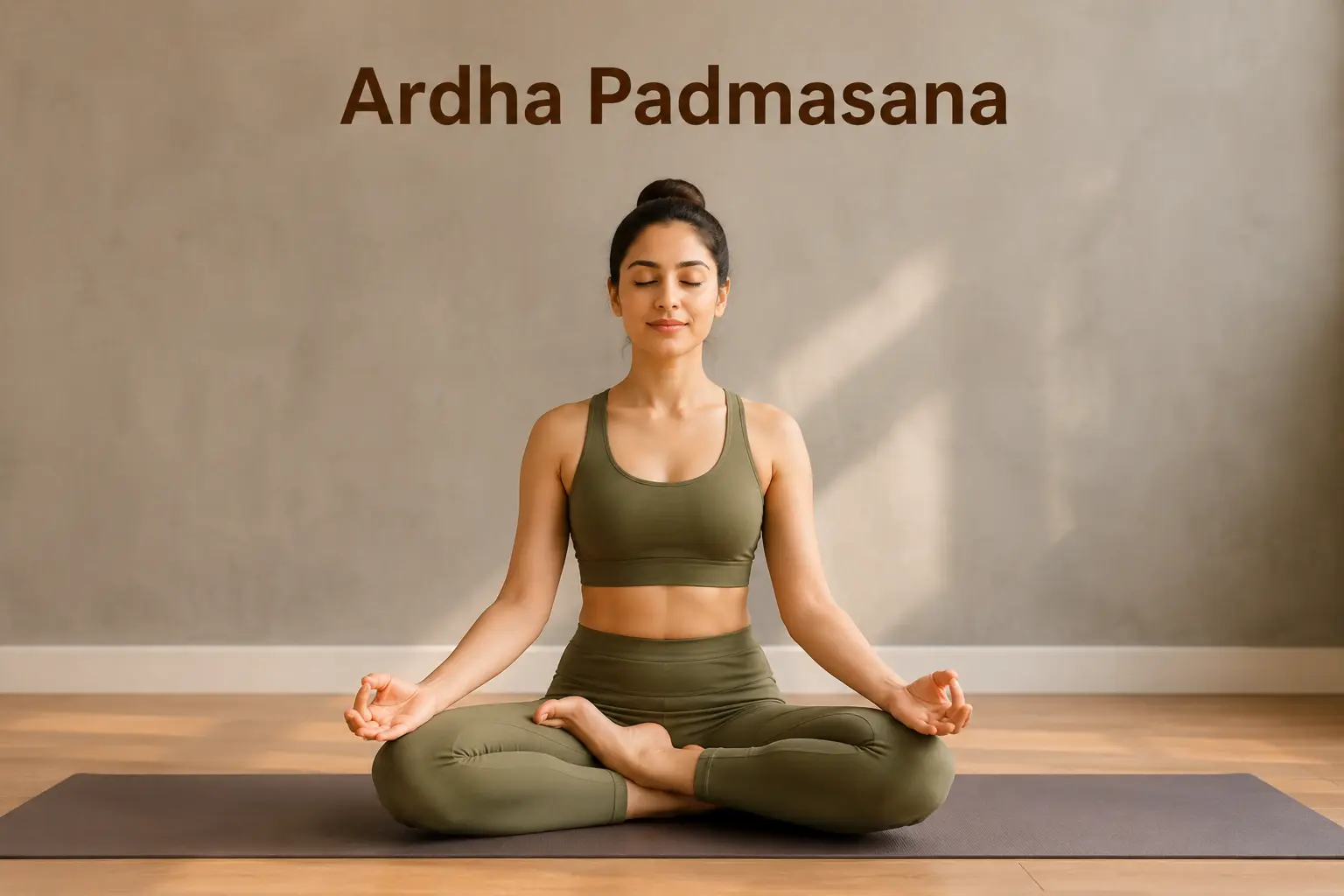
Yoga for Anxiety Disorders: 5 Relaxing Yoga Poses
Yoga for anxiety disorders combines gentle movements, breathwork, and mindfulness to help you reset after an overwhelming day. There is scientific evidence to prove that yoga can aid in reducing the symptoms of anxiety, although there is not enough information about using yoga as a main therapy for clinically diagnosed anxiety disorders.
Anxiety can have impacts on both the mind and body. Constant fear, nervousness, tense muscles, inability to concentrate, and sleeplessness can make it hard to perform daily activities. Besides proper professional treatment, yoga and relaxation techniques can be quite helpful for supporting general health.
Yoga should be seen as an auxiliary form of treatment, not an alternative to psychotherapy, medication, or any other type of medical intervention. These five postures will focus on comfortable movements, rooting, relaxation, and breathing exercises.
Key Takeaways
- Calms the Nervous System: Yoga activates the parasympathetic nervous system, slowing heart rate and lowering cortisol levels.
- Reduces Physical Tension: Gentle stretching releases tight muscles in the neck, shoulders, and chest caused by anxiety.
- Enhances Breath Control: Focused breathwork helps interrupt racing thoughts and prevents hyperventilation during stressful moments.
Yoga for Anxiety Disorders: 5 Poses
Some of the common yoga poses are described below:
|
|
|
|
|
|
|
|
|
|
|
|
|
|
|
|
|
|
|
|
|
|
|
|
|
|
|
|
|
|
Overall Benefits of Yoga for Anxiety Disorders
Yoga should not be presented as a cure for anxiety disorders. Current evidence suggests possible benefits for anxiety symptoms, but researchers continue to call for higher-quality evidence regarding diagnosed anxiety disorders.
|
|
|
|
|
|
|
|
|
|
|
|
|
|
|
|
|
|
|
|
|
Core Therapeutic Effects of Yoga for Mental Well-being
- Demonstrates key benefits of yoga for anxiety disorders by lowering cortisol levels and mitigating Generalized Anxiety Disorder symptoms.
- Reduces frequency and intensity of panic attacks in Panic Disorder through regulated pranayama breathing techniques.
- Provides somatic relief for Social Anxiety Disorder by calming autonomic nervous system hyperarousal.
- Highlights the lasting benefits of yoga for anxiety disorders by increasing GABA levels to soothe overactive brain pathways.
Ending Notes
Managing anxiety is seldom about discovering just one instant fix to the problem. Instead, small and consistent practices can help in developing a comprehensive practice for good mental health. Various yoga poses such as Virasana, Ardha Padmasana, Brahmacharyasana, Balasana, and Viparita Karani offer various options to integrate comfortable movement, sitting practice, and relaxation into one’s routine.
Take things slow, pay attention to the response of your body, and prioritize consistency over perfection. However, most importantly, do not hesitate to look for professional help when anxiety is constant, severe, and impacts one's ability to function normally. Yoga for anxiety disorders will be a helpful addition to this treatment but should not shoulder all of the responsibility.
FAQs
1. Can yoga aid in anxiety disorders?
It is possible that yoga can be effective in reducing anxiety symptoms in some individuals; however, it cannot be recommended as a treatment for anxiety disorders due to a lack of scientific evidence in this regard.
2. What is the best yoga pose for anxiety?
There is no one pose that would be best in all cases. Some examples include: Virasana, Balasana, and Viparita Karani poses. The best choice for you will depend on your flexibility and experience.
3. Is it okay for beginners to practice Ardha Padmasana?
Yes, it is okay to practice Ardha Padmasana if you do not feel discomfort in your hips and knees. However, you should not stretch your legs forcefully in order to do the pose. There is a cross-legged sitting pose you can practice.
4. Can yoga substitute anxiety medication or therapy?
No, yoga cannot substitute for anxiety medication and therapy. It is a complementary practice that can help you deal with anxiety problems if practiced in combination with other methods.
Disclaimer: The content on LifePositive.com, including articles/blogs on yoga, acupuncture, naturopathy, and other alternative healing modalities for holistic wellness, is for informational and educational purposes only. It is not a substitute for professional medical advice, diagnosis, or treatment. Always consult a qualified healthcare provider before starting any new health protocol or making changes to an existing treatment plan.
Also Read: Yoga for flexibility
By Umesh Kumar Khiri

Discussion (0)
No comments yet. Be the first to comment!
Leave a Comment
You need to login to post a comment.