Yoga for Arthritis: Safe Practice
Incorporating yoga for arthritis into your exercise routine helps break the cycle of pain and physical inactivity. With gentle joint motions, muscle-building positions, and deep breathing exercises, this activity breaks the vicious circle of sedentary lifestyle by providing the person with harmony and assurance.
It is not easy to remain active with chronic joint stiffness, but practicing yoga for arthritis is an effective way to maintain mobility and reduce pain on a daily basis. Medical studies confirm that structured yoga for arthritis programs safely enhance both physical strength and mental well-being.
Key Takeaways
-
Gentle, modified movements safely build strength and joint mobility without aggravating pain.
-
Mental relaxation techniques like deep breathing help manage the psychological burden of chronic pain.
-
Always consult a doctor and work with a qualified instructor to tailor poses to your specific needs.
Why Yoga for Arthritis Works
Safe Physical Adaptation
Research shows that tailored yoga routines support joint health by maintaining range of motion and strengthening supporting muscles. Utilizing props like chairs, blocks, and straps allows individuals to experience the therapeutic benefits of movement without placing excessive strain on vulnerable joints.
Recommended Poses for Joint Health
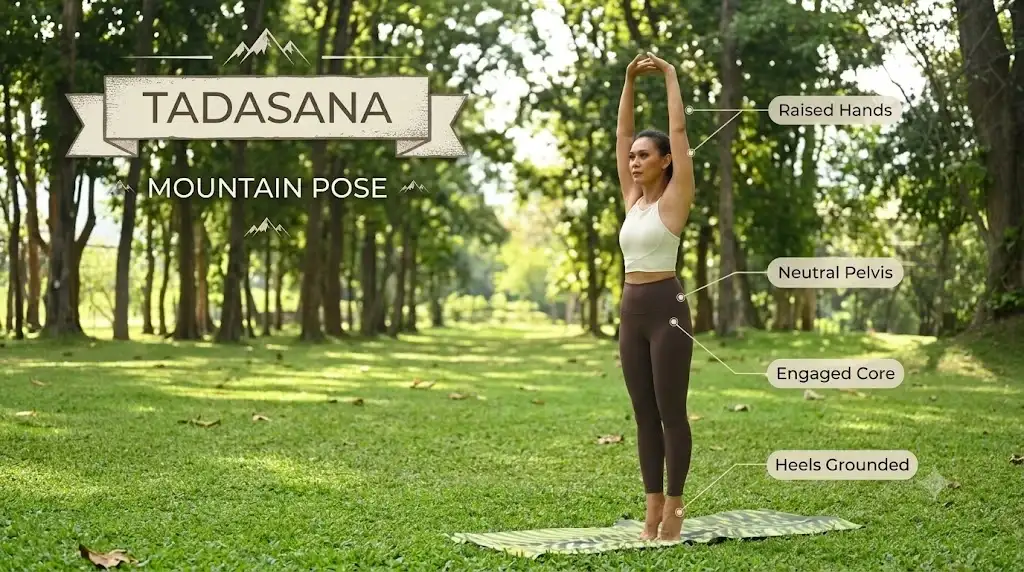
Some of the yoga poses for good joint health are as follows:
|
|
|
|
|
|
|
|
|
|
|
|
|
|
|
|
|
|
|
|
|
|
|
|
Role of Yoga for Arthritis in Treating Joint Pain Conditions
Despite yoga being considered a complementary exercise instead of a medical treatment for any disease, consistent engagement in yoga sessions provides assistance in coping with the symptoms of people suffering from such diseases as osteoarthritis (OA) and rheumatoid arthritis (RA). According to various scientific studies, yoga therapy may be helpful in providing relief from other problems such as pain and stiffness related to the above-mentioned diseases, including psoriatic arthritis, ankylosing spondylitis, and general back pain. Practising yoga for arthritis is an effective, low-impact way to improve joint mobility and reduce stiffness.
Precautions
Before starting a program of yoga for arthritis, it is important to discuss any joint restrictions with your physician.
-
See Your Doctor: Talk to your rheumatologist or doctor to find out about any movement restrictions or joint restrictions.
-
Find a Professional: Seek help from a certified teacher or yoga therapist who understands joint issues and how to make yoga adjustments for those problems.
-
Stop if You Feel Pain: Do not continue if you feel sharp joint pain; never push yourself into a pose.
-
Use Props: Try using chairs, blocks, straps, and bolsters to support your weak joints.
-
Don’t Go to Extremes: Do not do any extreme stretches such as knee locking or wrist weight-bearing.
-
Move Slowly: Change between poses slowly without rushing.
To Conclude
Initiating yoga practice marks an empowering move towards controlling your physical and mental well-being. The first move is to consult with your physician on where to start, locate the yoga classes that focus specifically on gentle yoga sessions, and always keep in mind that consistency and gentleness weigh much heavier than intensity. Yoga can be a lifelong companion for managing arthritis and enhancing quality of your life.
Frequently Asked Questions
1. Is it possible to practice yoga with active inflammation of the joints or joint replacement?
Yes, but only after consulting a specialist to determine physical limitations and under the guidance of a professional instructor who will be able to provide proper modifications.
2. How often should I exercise to see the results?
According to clinical research, twice-weekly classes of yoga for arthritis combined with small exercises at home may result in an improvement in flexibility, walking speed, and mood.
3. What if a certain posture triggers joint pain?
If any sharp or localized joint pain is experienced during the class, it is best to stop right away.
Also Read: Chakrasana
By Umesh Kumar Khiri



Discussion (0)
No comments yet. Be the first to comment!
Leave a Comment
You need to login to post a comment.