Yoga for Maternity: Gentle Asanas
Yoga for maternity is a natural, scientific, and holistic methodology that will help pregnant women to cope with the fast physical, physiological, and psychological changes occurring during pregnancy. In the process of hormonal changes, many expectant mothers encounter problems such as lower back pain, fatigue, mood swings, insomnia, and tightness of the pelvis. By incorporating yoga into the routine of a pregnant woman, there will be improvement in her mood, circulation of blood throughout the body, breath control, and decompression of the spine.
Key Takeaways
- Pelvic & Core Preparation: Gentle stretches open up the pelvic region and relieve cervical pressure, helping prepare the body naturally for labor.
- Emotional & Hormonal Balance: Mindful breathwork and meditative postures reduce anxiety, regulate mood swings, and encourage deep rest.
- Improved Circulation & Comfort: Prenatal asanas relieve common pregnancy discomforts like swollen ankles, leg cramps, varicose veins, and back pain.
Benefits of Yoga for Maternity
Regular sessions of yoga for maternity encourage deep relaxation and foster a serene connection between mother and child.
- Improved Oxygen Supply: Pranayama increases the level of oxygen delivered to both the mother and the baby. It helps in healing the tissues and calming the nerves.
- Spine Support: The stretch exercises assist in supporting the change in the center of gravity, along with carrying the extra load on the back and spine.
- Pregnancy Complaint Relief: The controlled exercises help in massaging the inner organs and relieving various pregnancy-related discomforts, including morning sickness, constipation, and water retention.
- Bonding with Baby: Through relaxation exercises like Shavasana and Dradhasana, a tranquil space is provided to the mother to bond with her baby.
Best Poses: Yoga for Maternity
The gentle practice of yoga for maternity strengthens pelvic muscles and improves flexibility in preparation for labor.
Below is a table highlighting four safe and gentle asanas recommended during pregnancy:
|
|
|
|
|
|
|
|
|
|
|
|
|
|
|
|
|
|
|
|
|
|
|
|
|
Step-by-Step Instructions
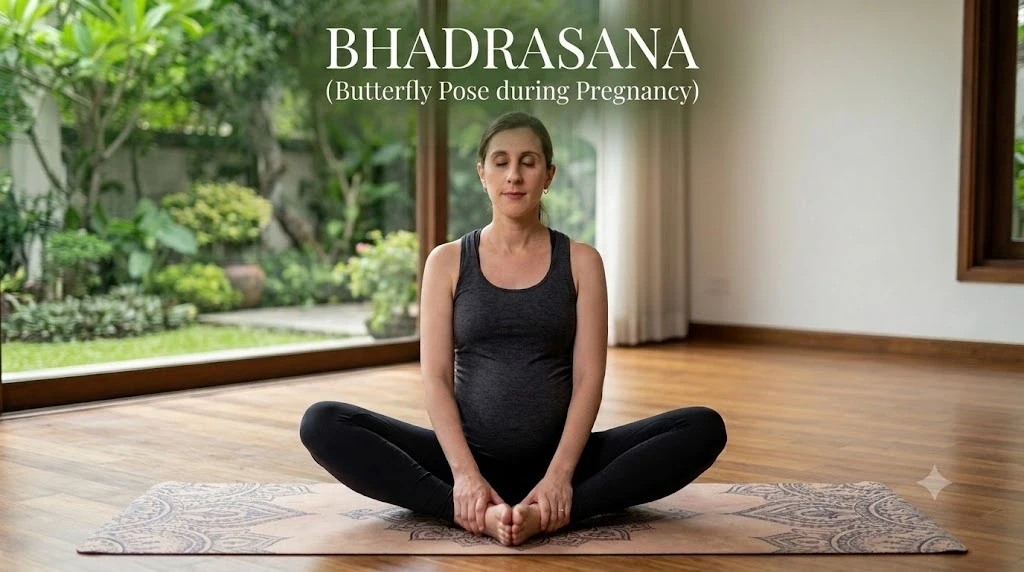
1. Bhadrasana (Gracious Pose)
- Step 1: Start by sitting up straight on the yoga mat with your legs straight ahead of you.
- Step 2: Fold your legs to bring your soles together in front of the groin area.
- Step 3: Grasp your toes with your fingers while maintaining an erect spine and loose shoulders.
- Step 4: Gradually bring your knees towards the ground, breathing deeply.
2. Dradhasana (Firm / Side-Lying Pose)
- Step 1: Take a comfortable position lying on your left side such that your body remains straight from head to toe.
- Step 2: Fold your left arm at the elbow and place it below your head to support it.
- Step 3: Rest your right arm comfortably on your right side or on the floor in front of you.
- Step 4: Relax your body by breathing deeply, and then switch sides.
3. Talasana (Palm Tree Pose)
- Step 1: Stand erect with your feet planted firmly on the ground and spaced hips-width apart for balance.
- Step 2: Place your hands together such that your fingers interlock, then lift your arms straight above your head.
- Step 3: Breathe in deeply while stretching your body upwards, without raising your heels from the floor.
- Step 4: Slowly breathe out as you lower your arms to their original position.
4. Yastikasana (Stick Pose)
- Step 1: Lie down straight on a padded surface with your legs stretched out.
- Step 2: Breathe in while raising both your hands above your head on the floor.
- Step 3: Stretch your hands and feet in opposite directions while aligning your body.
- Step 4: Maintain the stretch for some time and then breathe out while bringing your hands down by your side.
Additional Yoga Poses for Expectant Mothers
a. Virabhadrasana (Warrior Pose)
- Benefits: Strengthens the legs, ankles, and core while opening the hips and chest to build stamina for labor.
- Steps: Stand wide, turn your right foot out 90 degrees, bend your right knee over the ankle while keeping your back leg straight, and extend both arms out parallel to the floor. (Note: Keep a lighter bend in the front knee as your pregnancy progresses to avoid over-stretching).
b. Samasthiti (Equal Standing / Mountain Setup)
- Benefits: Establishes center of gravity, improves posture, and helps distribute body weight evenly as your bump grows.
- Steps: Stand tall with feet hip-width apart for stability, distribute weight evenly across both feet, lengthen your spine, and let your arms rest naturally by your sides with shoulders relaxed.
c. Tadasana (Mountain Pose)
- Benefits: Alleviates lower back tension, improves balance, and encourages full-body alignment and deep breathing.
- Steps: Stand upright with feet hip-distance apart, engage your legs gently, lift through the crown of your head, and either bring your hands into a prayer position at your heart or stretch your arms straight overhead.
c. Savasana (Corpse Pose / Side-Lying Savasana)
- Benefits: Calms the nervous system, reduces physical fatigue, and promotes deep relaxation for both mom and baby.
- Steps: Lie comfortably on your left side (recommended during pregnancy to optimize blood flow), place a pillow or bolster between your knees for support, bend your knees slightly, and close your eyes for deep rest.
Precautions
Maternity Yoga is an empowering approach that helps turn pregnancy into a peaceful journey for the expectant mother. Remember the following:
- Medical Clearance: Get your obstetrician's approval before starting any practice.
- No Back or Belly Lying: Avoid lying flat on your stomach or flat on your back past the first trimester.
- No Deep Twists or Over-Stretching: Skip heavy abdominal twists and deep stretches to protect loose ligaments.
- Prioritize Balance: Keep a wide stance or use a wall for support to avoid falls.
- Stop on Discomfort: Rest and hydrate immediately if you feel dizzy, breathless, or in pain.
Summing Up
Maternity Yoga is an empowering and natural approach that helps turn the entire process of pregnancy into a peaceful one for the expecting mother. Through conscious exercise and breathing techniques, mothers are able to alleviate physical discomfort, relax, and prepare themselves for delivery. Engaging in yoga for maternity helps pregnant women manage hormonal fluctuations and maintain emotional stability. When done in the right way, yoga creates a peaceful environment for the mother and her baby.
Frequently Asked Questions (FAQs)
1. When can expectant mothers start prenatal yoga?
Expectant mothers may start gentle prenatal yoga after the first trimester, as long as they get the approval of their obstetrician.
2. Which yoga postures must not be done by pregnant ladies?
Stay away from yoga poses requiring them to lie flat on their abdomen, such as Bhujangasana, Shalabhasana, advanced inversions, extreme backbends, and deep abdominal twists.
3. Does yoga help in relieving leg cramps and swelling during pregnancy?
Certainly, standing stretches and leg raises relieve fluid retention, leg cramps, swelling, and even swollen feet.
4. How does maternity yoga help during the time of labor?
Prenatal yoga opens the outlet of the pelvis and teaches you how to breathe properly so as to decrease resistance to the cervix muscle.
5. Is it okay to do pranayama during pregnancy?
Nadi Shodhan pranayama is fine and even recommended, but breath retention and rapid breaths such as Kapalabhati pranayama are prohibited.
Also Read
By Umesh Kumar
.png)
Discussion (0)
No comments yet. Be the first to comment!
Leave a Comment
You need to login to post a comment.